
When warehouse floors are uneven and carts bounce, making cargo sway, someone suggests switching to pneumatic wheels for better cushioning. But pneumatic wheels raise two questions: how much load can they really carry, and what happens if they get punctured? Solid and pneumatic wheels each fit different scenarios — choosing wrong means living with the problem every day.
The Core Difference: Where Cushioning Comes From
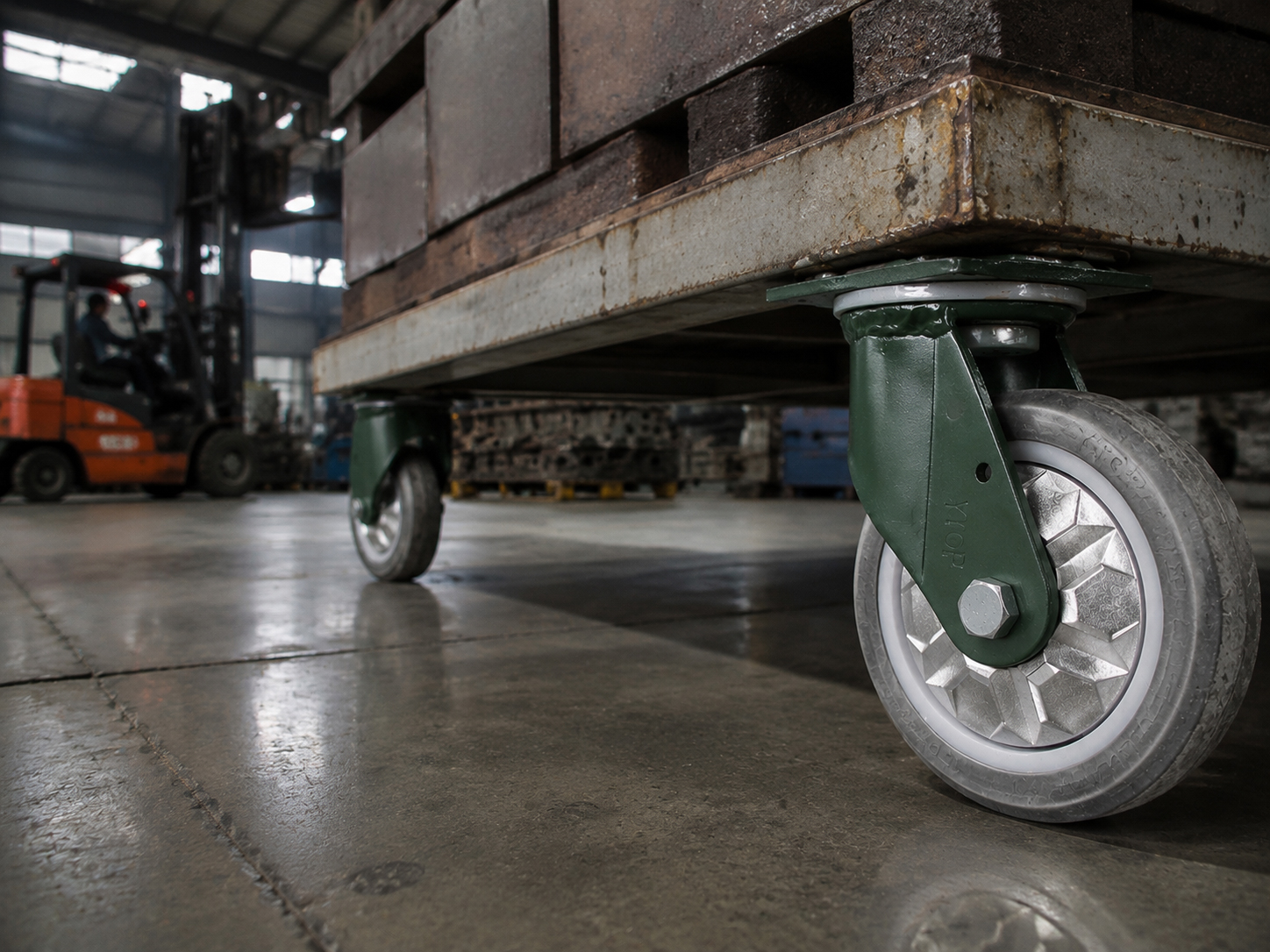
The difference between solid and pneumatic wheels lies in the cushioning source. Solid wheels have a solid body and rely on the elasticity of the material itself to absorb vibration — common types are solid rubber and solid polyurethane. Pneumatic wheels have an inflated inner cavity and rely on air pressure for support and cushioning, the same principle as car tires.
One relies on material elasticity, the other on air pressure — so load capacity and cushioning naturally pull in different directions. For a detailed look at tread materials, see our rubber vs PU vs nylon guide.
Strengths and Weaknesses of Each
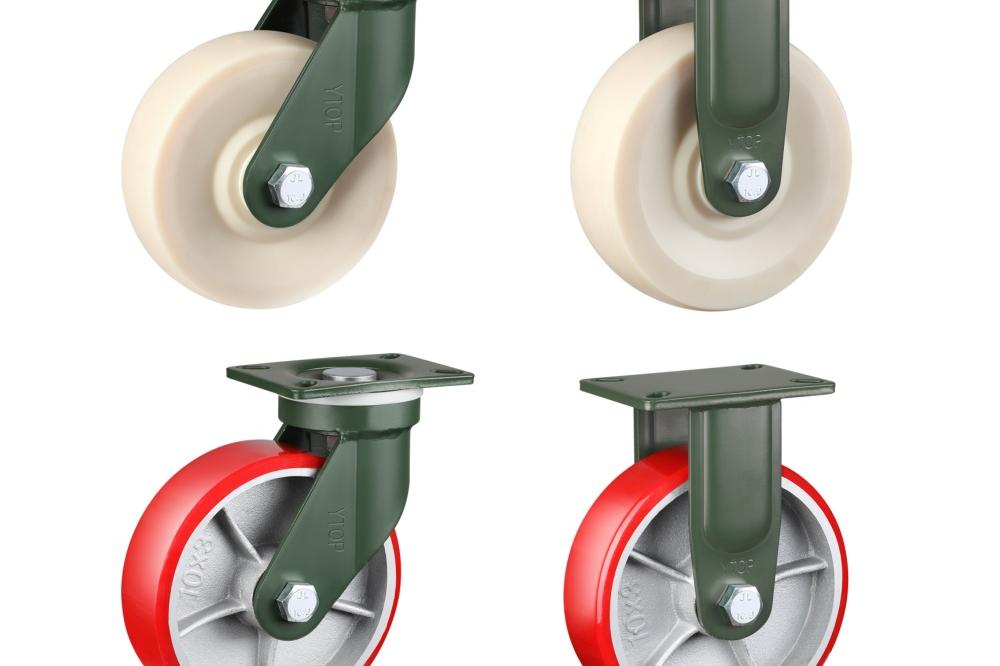
Solid wheels win on heavy load and low maintenance. The solid structure has no air-pressure limit, so load capacity at the same size is clearly higher than pneumatic wheels. Workshop floors carry iron filings, nails and welding slag — solid wheels cannot be punctured, and there is no air leakage or tire repair to worry about. The weakness is cushioning: on uneven floors you feel the bounce, and vibration protection for cargo and equipment is inferior to pneumatic wheels.
Pneumatic wheels win on cushioning and passability. Air pressure greatly absorbs impact when rolling over joints and potholes, so cargo and vehicle body suffer less vibration. The large contact area and good elasticity give better grip on wet, slippery or soft floors. The weaknesses: puncture risk, regular air-pressure checks, load limited by pressure — and limited confidence in heavy-load work.
Matching Wheels to Scenarios
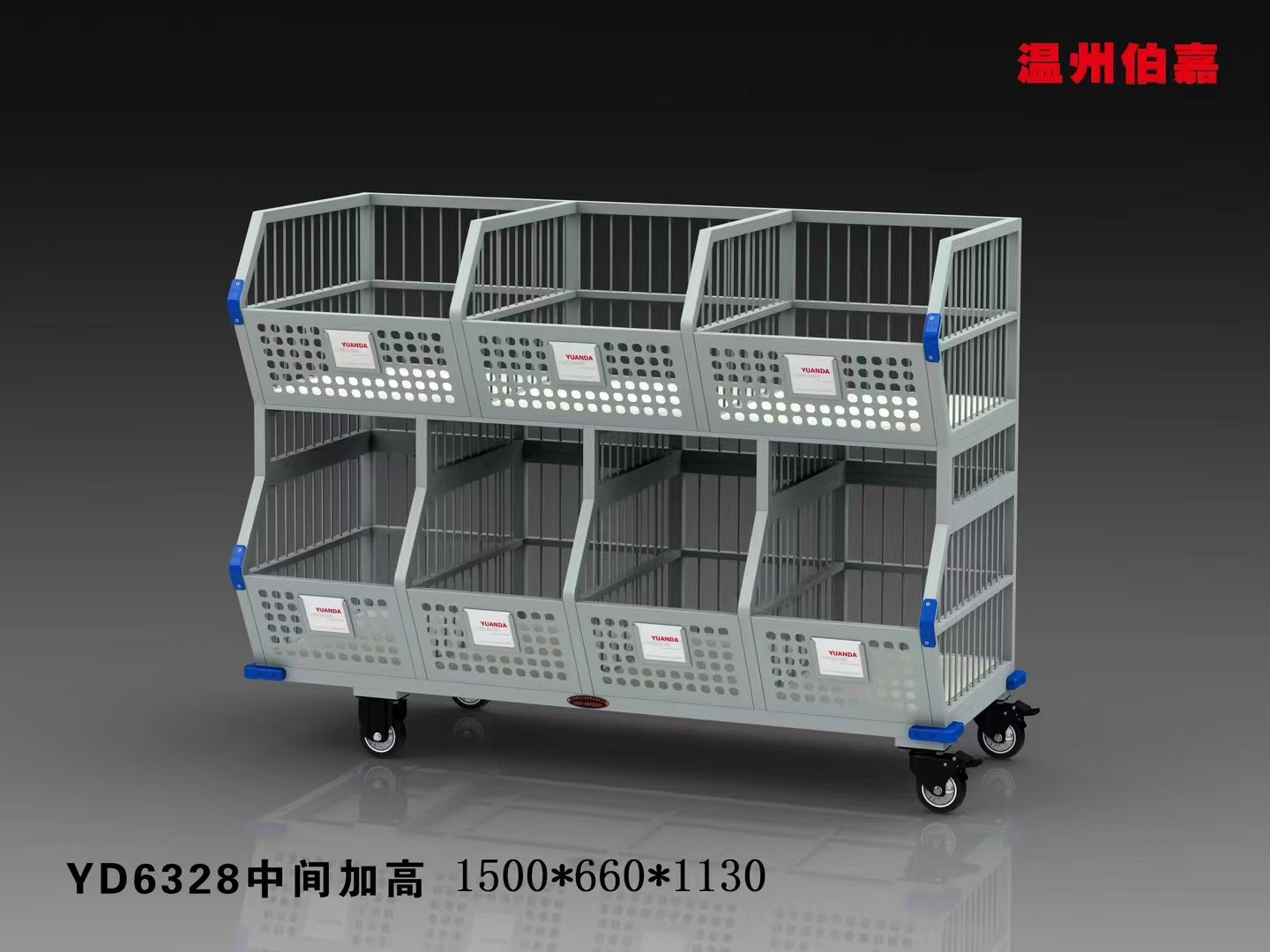
- Heavy-load workshop: large loads, floors with filings and slag — solid wheels are the reasonable choice; capacity and safety are both guaranteed.
- Factory roads and loading areas: uneven surfaces and slopes — pneumatic cushioning reduces cargo damage and makes pushing easier.
- Precision workshop: high cleanliness requirements — solid wheels are maintenance-free with no air-leak risk, a better fit for clean environments.
- Short-distance high-frequency warehouse handling: solid wheels save maintenance and downtime, with higher overall efficiency.
The Semi-Solid Compromise
Between the two lies a third option used in industrial casters: semi-solid or honeycomb-structure wheels. The body is solid but contains honeycomb cavities inside, combining a degree of cushioning with puncture resistance. Cushioning is not as good as pneumatic wheels but better than ordinary solid wheels; puncture resistance is not as good as solid wheels but better than pneumatic wheels. It suits conditions where loads are not extreme, floors are average, and some cushioning is still needed.
Note that honeycomb design and quality vary widely between manufacturers — actual cushioning can differ noticeably, so judge with your working conditions and sample tests.
Start from the Floor
The solid-versus-pneumatic trade-off is essentially load versus cushioning. But there is an easily overlooked first step: check whether the road can be repaired. If factory-road potholes are severe, repairing the road before choosing wheels works better than adjusting wheels to the road. When the road cannot be fixed, then select by floor: heavy load and maintenance-free means solid; uneven floors mean pneumatic; and between the two, semi-solid wheels bridge the gap. For load math and derating rules, see our load capacity guide, and match tread hardness with the Shore hardness guide.
Related Reading
Looking for more in-depth caster guides and industrial mobility resources? Explore these related articles:
- Rubber, PU and Nylon Casters — Material properties behind cushioning and wear.
- Wheel Hardness Guide — Shore A vs Shore D and how tread softness changes ride.
- How to Calculate Load Capacity — Dynamic vs static load and safety margins.
- Wheel Diameter: Large vs Small — Diameter and cushioning interplay on rough floors.
Explore our complete range of heavy-duty casters (150-610kg) and super heavy-duty casters (700-1600kg) for diverse industrial applications, or contact our engineering team for expert caster selection guidance.
Post time: Oct-28-2026