
Every workshop has that one cart: heavy when loaded, hard to turn, and with even a little oil on the floor, pushing it makes your arms ache. By the end of the day, just moving the cart has drained most of your energy.
Hard to push doesn't necessarily mean the load is too heavy — the wheels are often the real culprit. The effort usually comes from three places: bracket deformation, bearing lubrication failure, and undersized wheel diameter.
Bracket Deformation: The Hidden Culprit

When bracket rigidity is insufficient, it deforms under load, the angle between wheel and cart shifts, and part of your pushing force is eaten up by the deformation itself — your effort doesn't all become forward motion, it's wasted. For heavy-load workshop carts, bracket structure is a baseline for labor savings. When selecting, look at the bracket cross-section and gusset design, not just the rated load. Labor-saving needs to be viewed holistically, not by staring at one part.
Bearing Lubrication Failure: The Common Root Cause
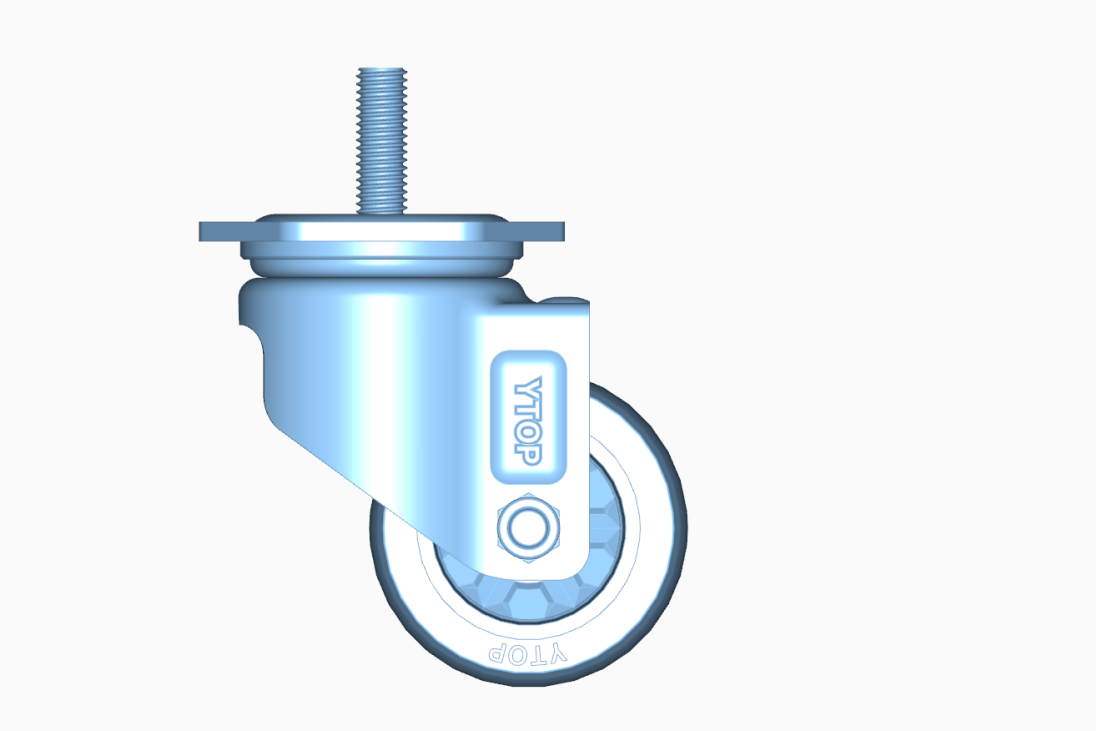
After grease dries up and cakes, bearing rotational resistance spikes and the wheel enters a semi-seized state — no matter how good the tread, it's useless. Molybdenum disulfide lithium-based grease is high-temperature and heavy-pressure resistant, doesn't easily squeeze out under heavy load, and keeps bearings rotating freely longer. This detail looks small, but it determines how long the labor-saving effect lasts. Also note: lubrication and corrosion protection go together. If the bracket surface lacks corrosion protection, rust expands friction surfaces and seizes rotating parts — wheels and bearings get tighter and tighter with rust. For more on tread choices that pair with good bearings, see our Shore hardness guide.
Undersized Wheel Diameter: The Overlooked Factor
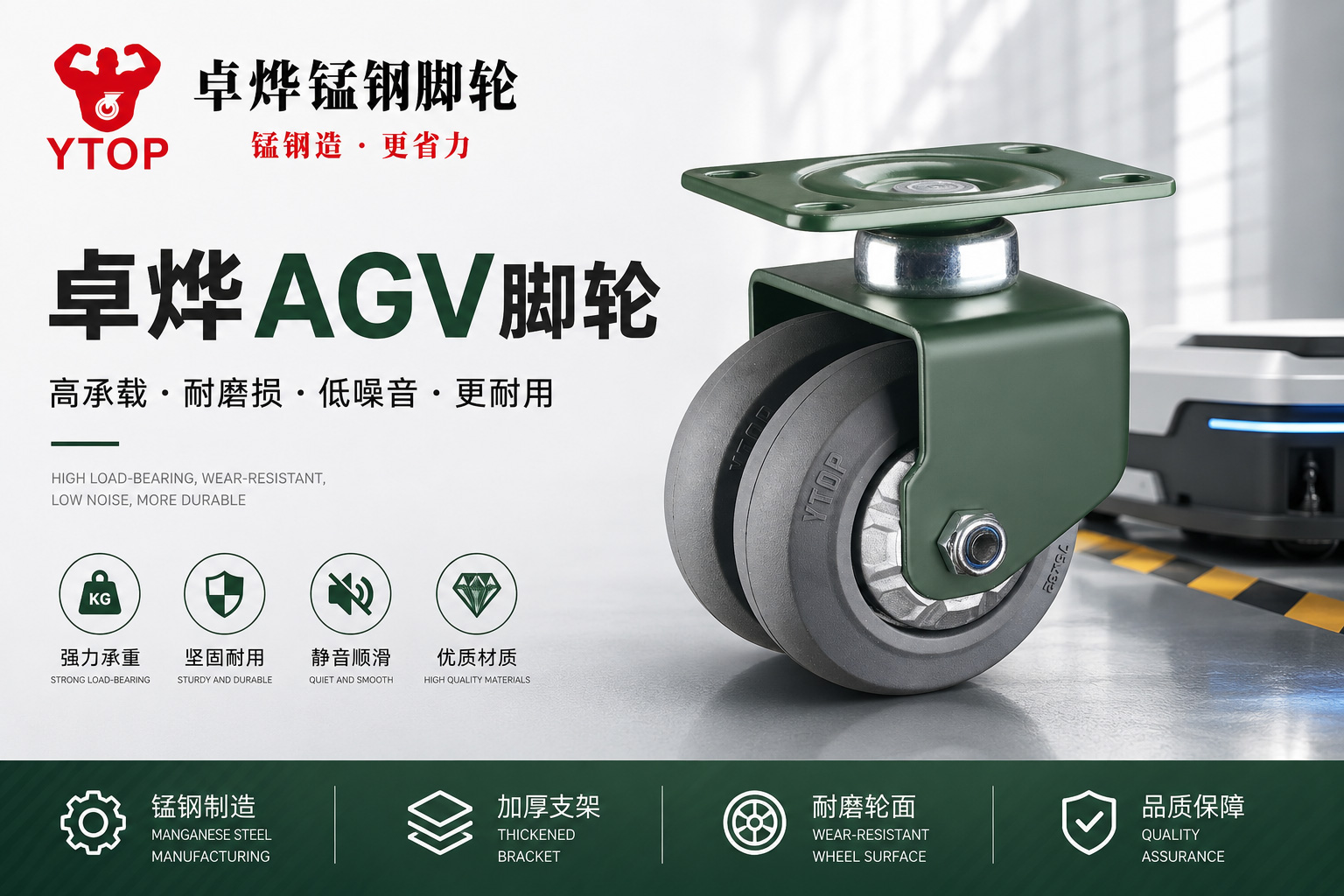
On the same floor, a larger wheel diameter pushes easier than a smaller one — the bigger the wheel, the better it crosses floor defects and the lower the rolling resistance. If your heavy-load workshop cart uses an undersized wheel, switching up one size often brings an obvious improvement. Keep in mind: larger wheels raise the platform height, so trade off effort against usable height. For a full breakdown, read our large vs small wheel guide.
The Four Variables of Pushing Effort
Four variables affect pushing force: wheel diameter, wheel width, bearing, and grease. To save effort, adjust all four together — don't fixate on just one. The judgment is simple: for the same cart, push the same distance and load once before and after a caster change, and feel the difference. The configuration for heavy-load workshops can be optimized from three directions: bracket structure, wheel diameter, and lubrication solution, with specs confirmed against load and floor conditions. Browse our heavy-duty caster line for rigid brackets, proper diameter and pressure-resistant grease combinations.
Related Reading
Looking for more in-depth caster guides and industrial mobility resources? Explore these related articles:
- Wheel Diameter: Large vs Small — How diameter directly changes pushing effort on the same floor.
- Wheel Hardness Guide — Tread hardness and its effect on rolling resistance.
- How to Calculate Load Capacity — Confirm the real per-wheel load before upsizing wheels.
- Caster Offset and Lead — Why a stiff swivel bearing makes carts feel hard to steer.
Explore our complete range of heavy-duty casters (150-610kg) and super heavy-duty casters (700-1600kg) for diverse industrial applications, or contact our engineering team for expert caster selection guidance.
Post time: Oct-26-2026