
AGV caster bearing damage is rarely caused by a single reason — it is usually the stacking of several factors. Poor lubrication is the starting point, dust and moisture entry are accelerators, overload and impact are catalysts, and improper installation may plant hidden dangers the moment the bearing goes into service. Understanding how these causes connect is more useful than memorizing a list.
1. Lubrication Failure: The Most Common Starting Point
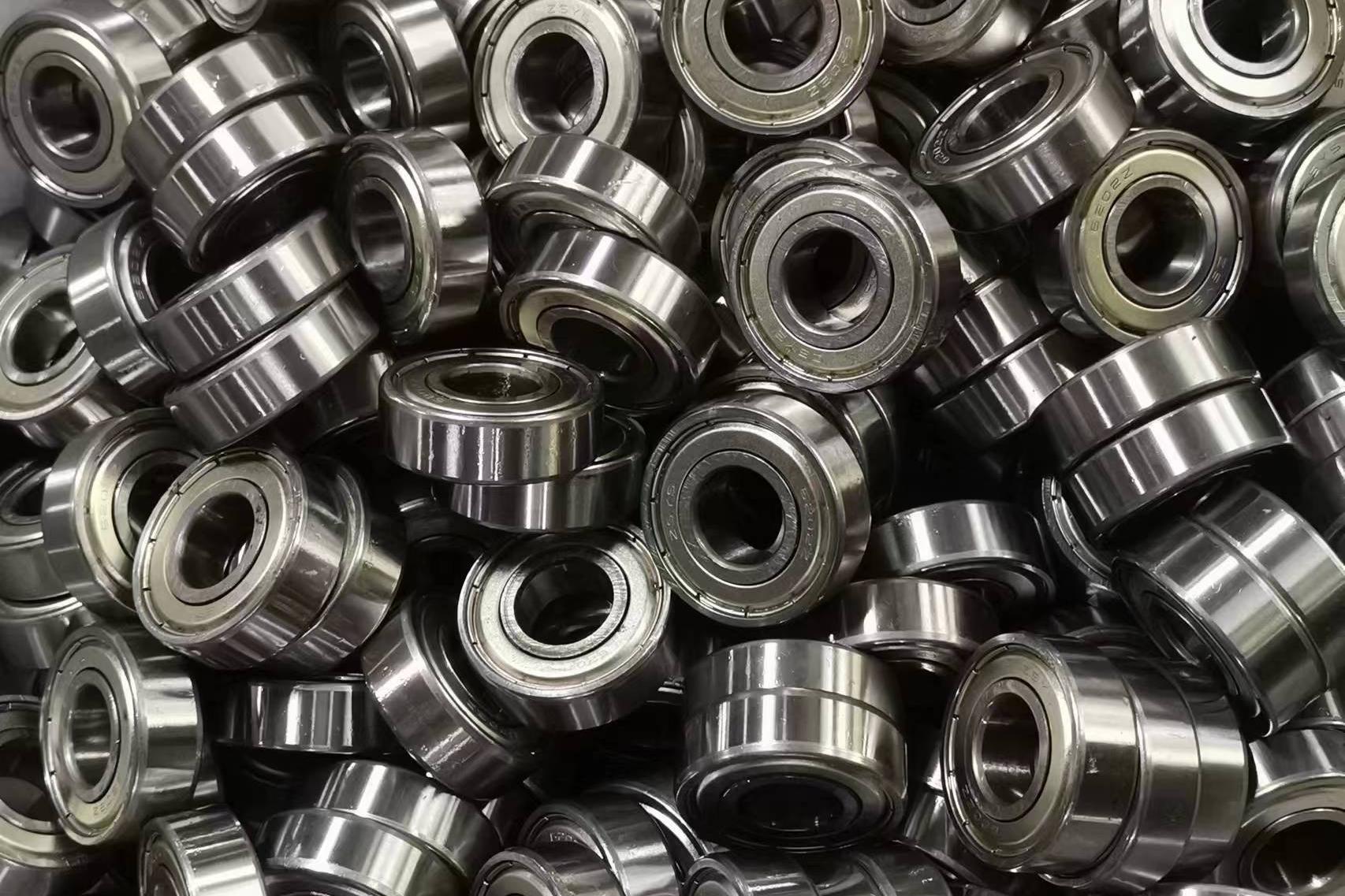
Grease gradually dries out, oxidizes, or breaks down at high temperature during long-term operation. If sealing is poor, water or oil can dilute and wash the grease away. Once lubrication is lost, balls and raceways switch from rolling friction to dry friction, and wear speeds up dramatically.
The signals at this stage: increased resistance, a “rustling” dry-friction sound, and higher temperature around the bearing after operation. Replenishing or replacing grease here usually still recovers the bearing. But if operation continues, ball and raceway surfaces begin to wear — and that damage is irreversible.
2. Contaminant Entry: Starting from Seal Failure
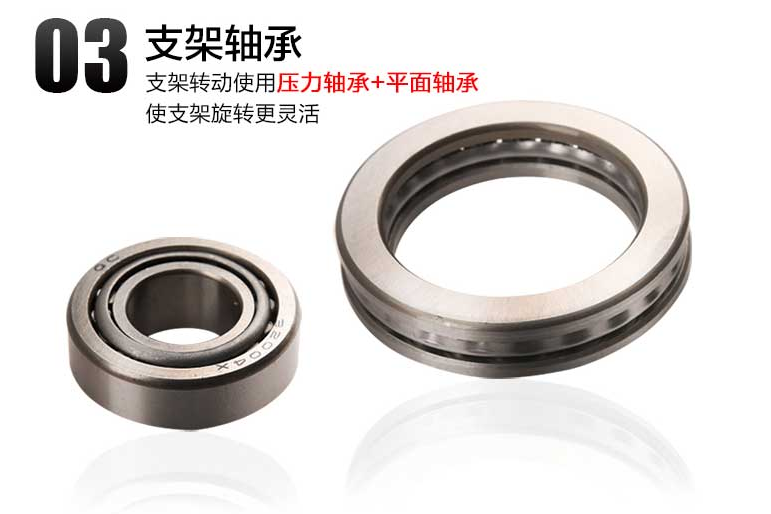
After seal rings age or crack, dust, metal debris and moisture enter the bearing. Dust mixed with grease forms abrasive particles — effectively grinding compound between balls and raceways. Moisture causes rusting, and the roughened surface further increases friction.
The signal here changes from a “rustling” sound to a “clicking” sound, and rotation becomes uneven. If disassembled, you can see rust spots and abrasive residue on the raceways. This is exactly what sealed bearings are designed to solve: the double-sealed structure is pre-filled with grease, needs no re-greasing, and blocks external contaminants. For AGV casters, sealed bearings beat open bearings in most working conditions.
3. Overload and Impact: Accelerating Fatigue
A bearing's rated dynamic load is fixed. When actual load continuously exceeds the rating, contact stress between balls and raceways passes the material fatigue limit and produces fatigue spalling — fish-scale shedding on the raceway surface.
Impact load is more direct. When an AGV crosses joints, speed bumps or collides, impact peaks can reach 2-3 times the static load. Repeated impacts leave pits on ball and raceway surfaces that gradually expand into spalling. The signal at this stage is a “clicking” bounce and increased clearance. Working load should stay under 75% of rating, slow down at joints, and increase wheel diameter to cut impact — these reduce bearing stress at the source. For load rules, see our load capacity guide.
4. Improper Installation: The Hidden Cause of Early Failure
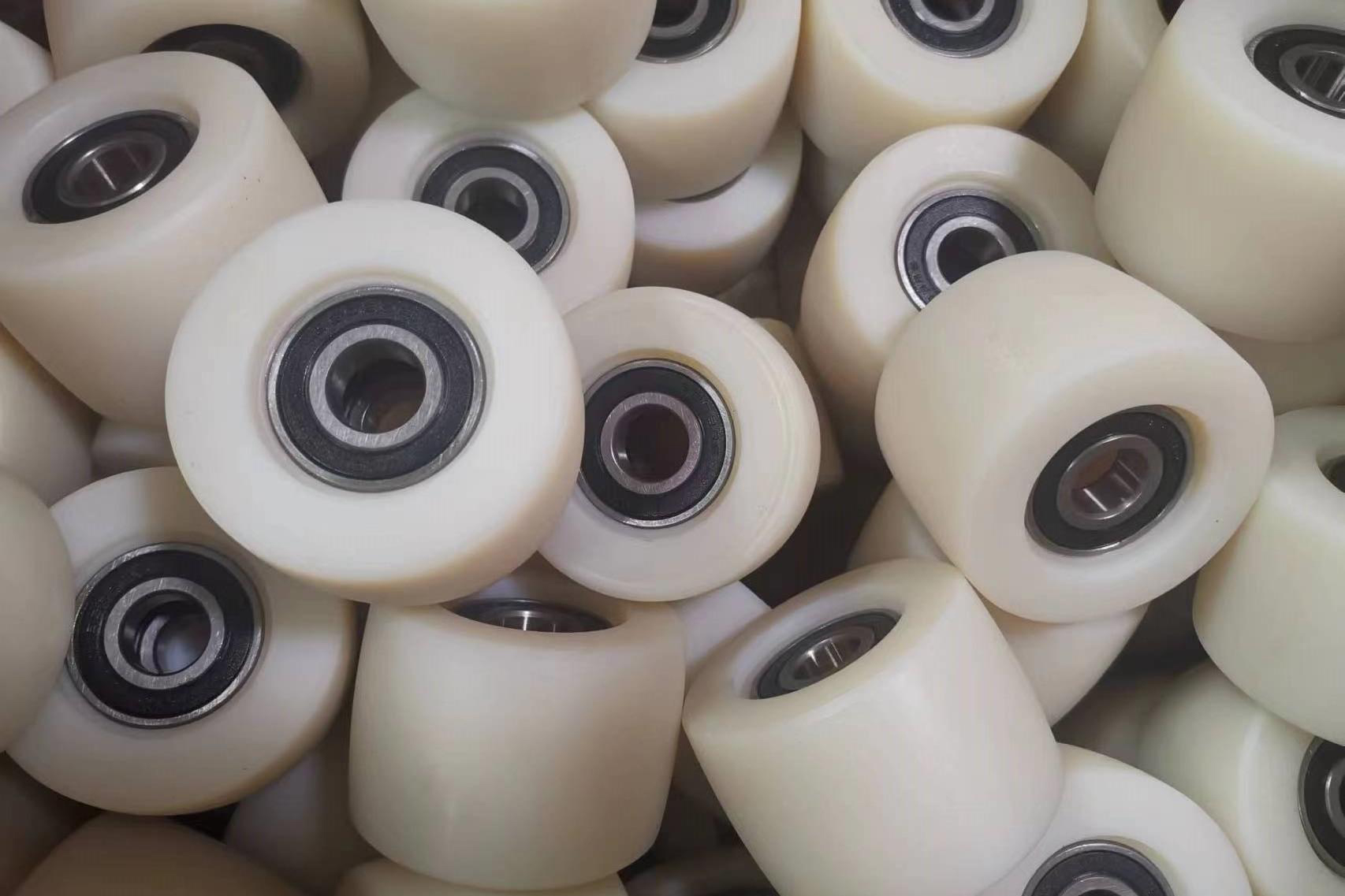
New bearings that quickly develop noise or heat usually point to installation. Common errors: pressing on the balls instead of the inner ring during mounting, fit too tight or too loose, and shaft-to-bearing misalignment.
Too-tight fit raises friction and heat; too-loose fit lets the inner ring spin on the shaft, wearing both. Pressing on balls creates micro-pits invisible to the naked eye but which accelerate fatigue. The correct method is to apply force through the inner and outer rings and follow standard fit tolerances. Get this wrong, and even a quality bearing fails early.
The Four Stages of Bearing Damage
Bearing damage usually moves through four stages: lubrication degradation → surface wear → fatigue spalling → seizure. From the first stage to the last can take weeks or months, depending on operating intensity and lubrication status.
The key: the first two stages are still intervenable — replenishing grease, replacing grease, and cleaning bearings can slow deterioration. By the spalling stage the damage is irreversible and replacement is required. By seizure, the AGV cannot run and other components may already be damaged.
How to Judge Replacement
- Listen: normal rotation is slight and steady. A “rustling” sound means poor lubrication; a “clicking” sound means spalling or fragmentation.
- Feel: rotate the wheel by hand — clearly heavier than a new bearing indicates wear.
- Check play: a loose feeling when shaking the wheel means excessive clearance.
- Measure heat: a bearing area over 60°C after operation means too much friction, likely lubrication failure.
- Disassemble: any rust, spalling, pits or cracks on raceways and balls means replacement.
Bearings are the core of a caster, and bearing life largely decides overall caster life. If AGV caster bearings fail frequently, ask the manufacturer for sealed-bearing configurations matched to your operating environment (dust, humidity, high temperature) and load parameters — usually more reliable than selecting on price alone. Our hardness guide and AGV vibration guide cover related diagnosis steps.
Related Reading
Looking for more in-depth caster guides and industrial mobility resources? Explore these related articles:
- Why Do AGV Casters Vibrate? — Bearing play is one of the top vibration causes.
- How to Calculate Load Capacity — Keep bearing loads under 75% of rating.
- When to Replace Worn Casters — Bearing play and noise as scrap triggers.
- Wheel Hardness Guide — Tread properties that pair with bearing choice.
Explore our complete range of heavy-duty casters (150-610kg) and super heavy-duty casters (700-1600kg) for diverse industrial applications, or contact our engineering team for expert caster selection guidance.
Post time: Oct-28-2026