
Leveling casters are composite parts: they combine a swivel caster with an adjustable screw and floor base, so that one unit can both move equipment and level it in place. Because the parameter list is one layer longer than an ordinary caster’s, missing a single specification can mean the unit mounts but never works as intended. A sound leveling caster selection follows one order: calculate the load first, measure the installation space second, and finally match the environment. Six items matter most — load, screw stroke, installation height, wheel specification, base material and structure, and adjustment method. Load decides whether the unit can bear the weight; stroke decides whether it can actually level; everything else decides whether the equipment is pleasant to use.
Load Must Cover Two States at Once

A leveling caster carries load in two very different states, and both must be calculated. When the unit is moving, the wheels bear the load — and that load includes the impact of pushing over floor joints and cable troughs. When the equipment is parked, the screw and base take the load, which approaches a static load. During selection, calculate both states and size the specification to the larger number.
The simple estimate is: take the equipment’s full-load total weight, divide by the number of installed units, then multiply by a safety factor. If the equipment moves frequently or experiences vibration and impact, choose the upper end of the factor range. For example, a 600 kg machine fitted with four units and a factor of 1.5 gives a per-unit requirement of about 225 kg; the purchased specification should then target the 300 to 500 kg class, rather than landing at 225 kg. Sizing only to the parked load lets the wheels fail first under moving conditions; sizing only to the moving load leaves the parked screw and base without margin.
Stroke Depends on the Floor and the Ground Clearance
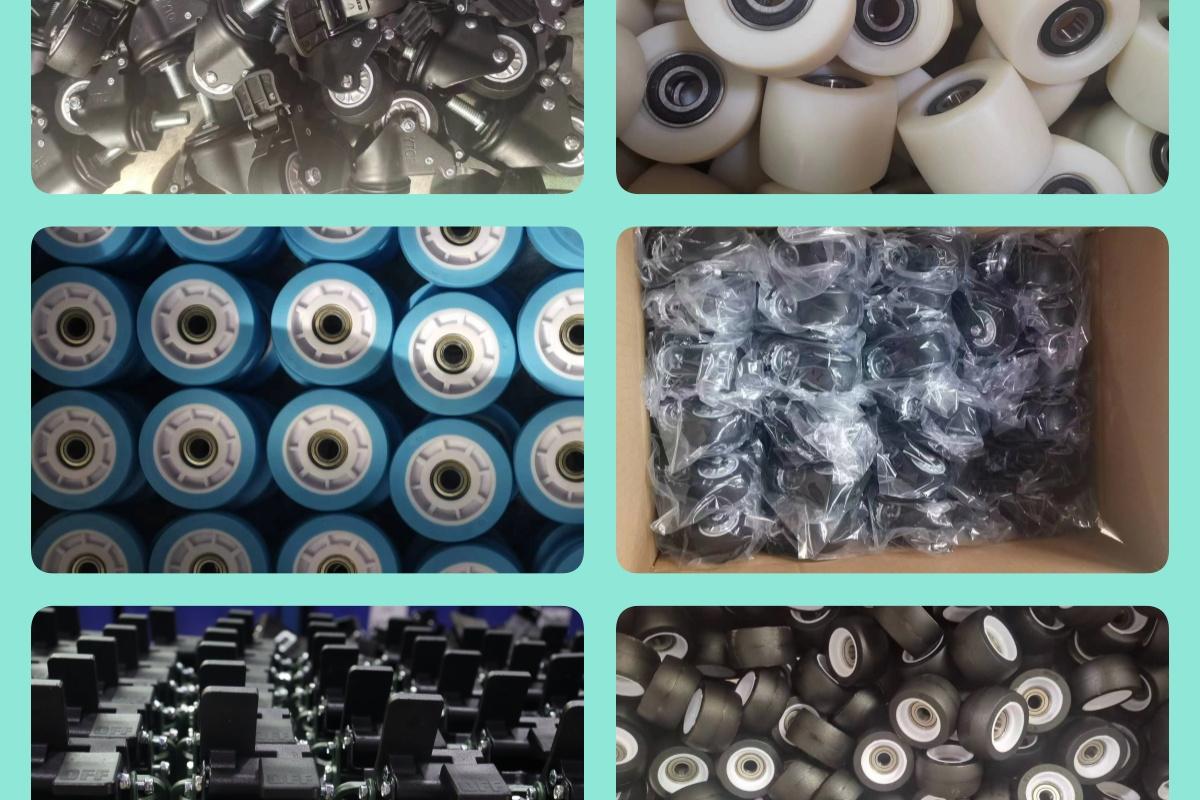
The screw stroke determines two things. First, how much clearance remains under the wheels when the base is fully retracted: if the clearance is too small, crossing floor joints and cable troughs makes the base drag on the floor, wearing both the base and the slab. Second, whether the leveling amount can cover the unevenness of the workshop floor. On an ordinary workshop floor, a stroke of 10 to 20 mm is usually enough; where the floor is visibly uneven, or the equipment must roll over small ramps, a larger stroke is required.
Stroke is not the bigger the better. A long stroke lengthens the exposed screw, raises the overall unit height, and therefore raises the equipment’s center of gravity — stability suffers as a result. Match the stroke to the real floor unevenness plus a small margin, rather than choosing the longest travel listed in the catalog.
Installation Height and Wheel Choice
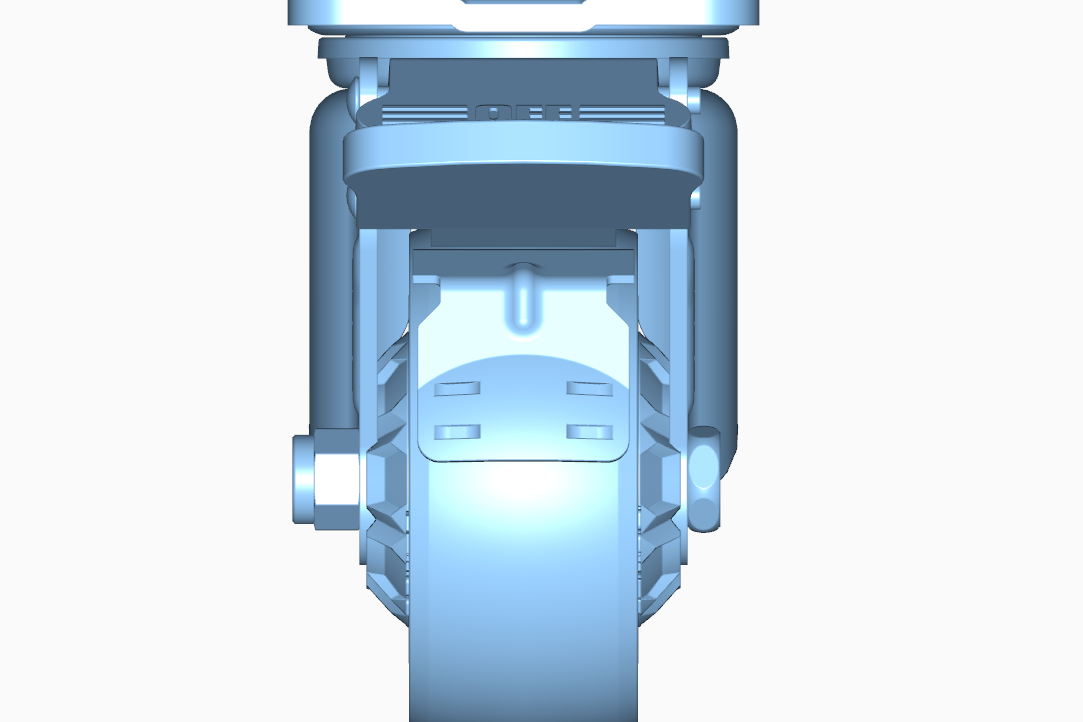
Installation height equals the wheel installation height plus the screw adjustment range. Before selecting, measure two things carefully: how many centimeters of clearance exist between the equipment’s bottom frame and the floor, to confirm there is room for the screw to extend; and whether the work-surface height when the wheels touch the floor matches operator habits. Without these two measurements, the installed unit either jams the screw against the inside of the frame or leaves the equipment awkward to push.
Wheel diameter and tread material are chosen by the walking floor. A large wheel diameter pushes more easily and crosses floor obstacles better; a small diameter fits equipment with limited bottom-frame space but jams easily at floor joints and small trenches. For the tread: PU wheels suit epoxy and concrete floors, wear well and do not damage the floor; rubber wheels damp vibration and run quietly, which is why general workshops use them most; nylon wheels resist temperature and oil, suiting rough floors and oily environments; cast-iron wheels carry extreme loads and heat, reserved for heavy-duty and heat-treatment scenes.
Base, Adjustment Method, and Common Mistakes
The base is the foot that contacts the floor when parked. Conventional workshops use cast-iron bases — rigid enough, and they press down steadily. On soft floors where press marks are a concern, choose a widened base to lower unit pressure. On smooth floors where slipping is a concern, choose an anti-slip base with texture or a rubber pad. In food and pharmaceutical cleanrooms, a stainless steel base is easiest to keep clean. The adjustment method is determined by usage frequency: low-frequency adjustment is fine with a tool, frequent leveling calls for a hand wheel that needs no tool, and heavy loads call for a wrench-friendly bolt that takes large torque — whatever the method, the adjustment point must stay reachable on the outside of the equipment.
Three mistakes account for most rework: calculating only the parked load and forgetting moving impact, so the wheels wear out first; checking only the leveling amount of the stroke and never verifying ground clearance after the base retracts, so the installed unit drags the floor; and leaving no space for screw extension, so the screw hits the inside of the frame. To get the matching right on the first try, hand the manufacturer one complete set of data: equipment type and full-load weight, walking-floor material and flatness, bottom-frame structure, hole positions, and height space, the working environment such as temperature, humidity, and cleanliness, plus leveling frequency. YTOP Manganese Steel Casters typically returns a configuration based on these conditions rather than asking only how much load you need.
Related Reading
Looking for more in-depth caster guides and industrial mobility resources? Explore these related articles:
- What Is a Floor Brake? — Features and application scenarios of floor lock casters.
- How to Calculate Load Capacity — Dynamic vs. static load ratings for leveling caster applications.
- 10 Core Parameters — Essential parameters engineers must match when specifying leveling casters.
- Caster Bearing Selection — Compare ball bearings vs. sealed bearings for leveling caster applications.
Explore our complete range of heavy-duty casters (150-610kg) and super heavy-duty casters (700-1600kg) for diverse industrial applications, or contact our engineering team for expert caster application knowledge and selection guidance.
Post time: Oct-10-2026