
Every qualified industrial caster carries a nameplate or laser marking with its model, load capacity and material. Most people glance at it and move on — but the nameplate is first-hand information for selection, procurement and acceptance. Reading it correctly helps you avoid many pitfalls.
What Information Is on a Nameplate
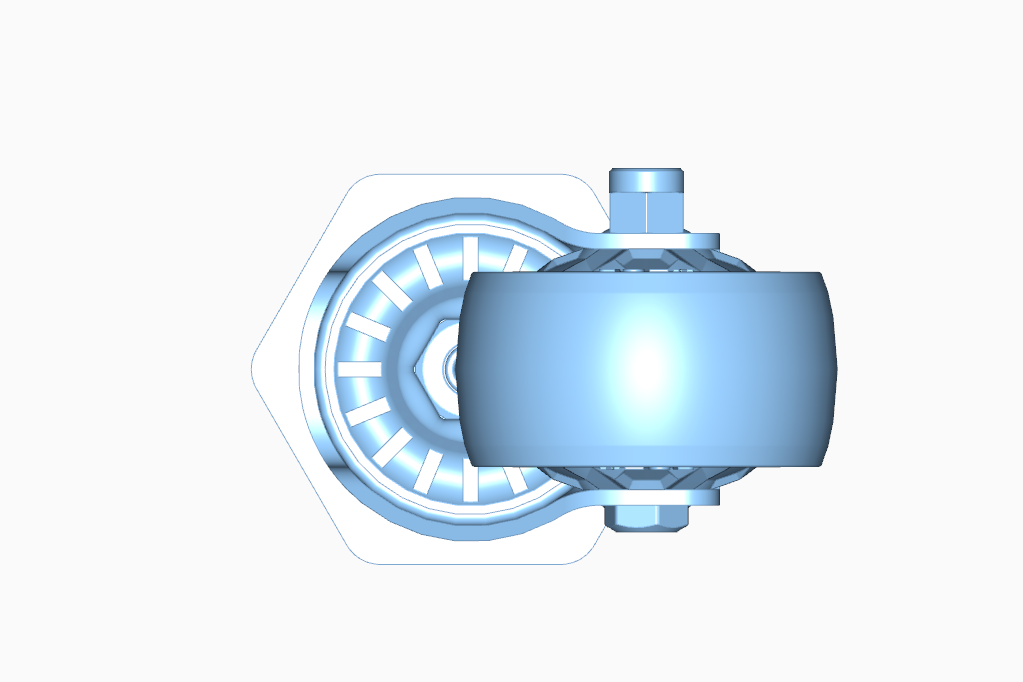
Common categories of nameplate information:
- Model code: a specification code compiled by the manufacturer, usually encoding wheel diameter, material and bracket type.
- Load parameters: the wheel's load capacity — always distinguish dynamic load from static load.
- Manufacturing information: manufacturer, production batch and factory date, used for quality traceability.
- Execution standards: the manufacturing or testing standard the product is built to.
Together these form the wheel's “ID card”.
Reading the Model Code
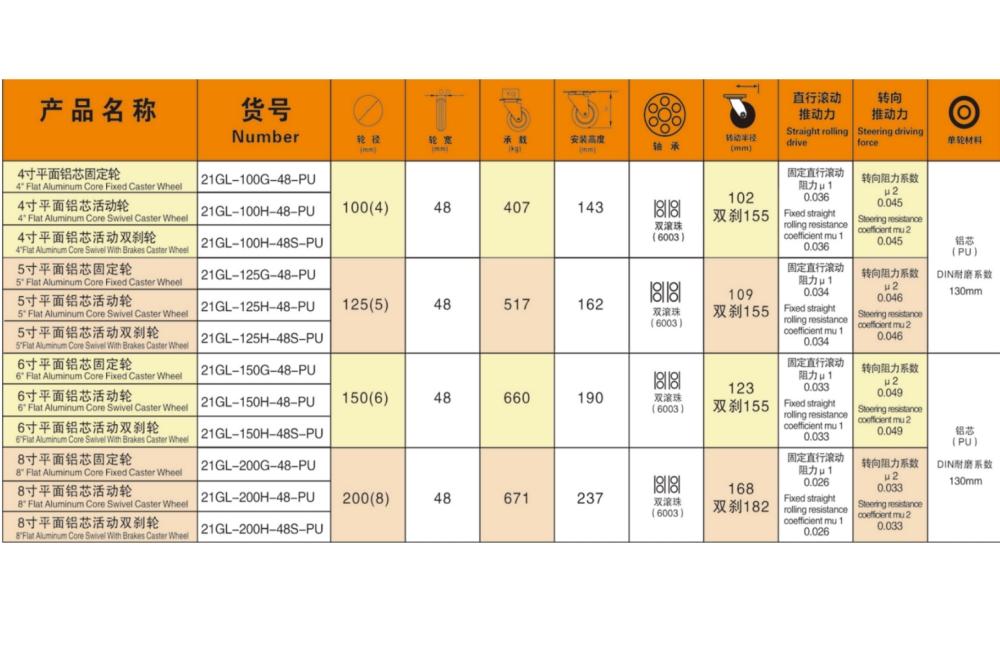
The model code is the core of the nameplate. Most manufacturers combine numbers and letters, with wheel diameter, material, bracket and brake each occupying a segment. But coding rules differ greatly between manufacturers — never guess the meaning. Compare against the manufacturer's model description, and when unsure, send the code to the manufacturer and confirm directly. The model code is the common language of procurement communication; learning to read it greatly improves communication efficiency.
Load Parameters: the Easiest to Misread
Load figures are the most misread part of a nameplate:
- Dynamic load: capacity while moving — the value closer to real usage.
- Static load: capacity when parked; usually higher.
- What is marked is per-wheel load. The whole-vehicle force must also factor in wheel count and eccentric load.
Never size directly to the nameplate value — always leave a usage margin. Overload not only shortens wheel life but creates safety risks. Our load capacity class guide explains how manufacturers grade wheels, and the dynamic vs static calculation guide shows the math.
Material and Finish Identification
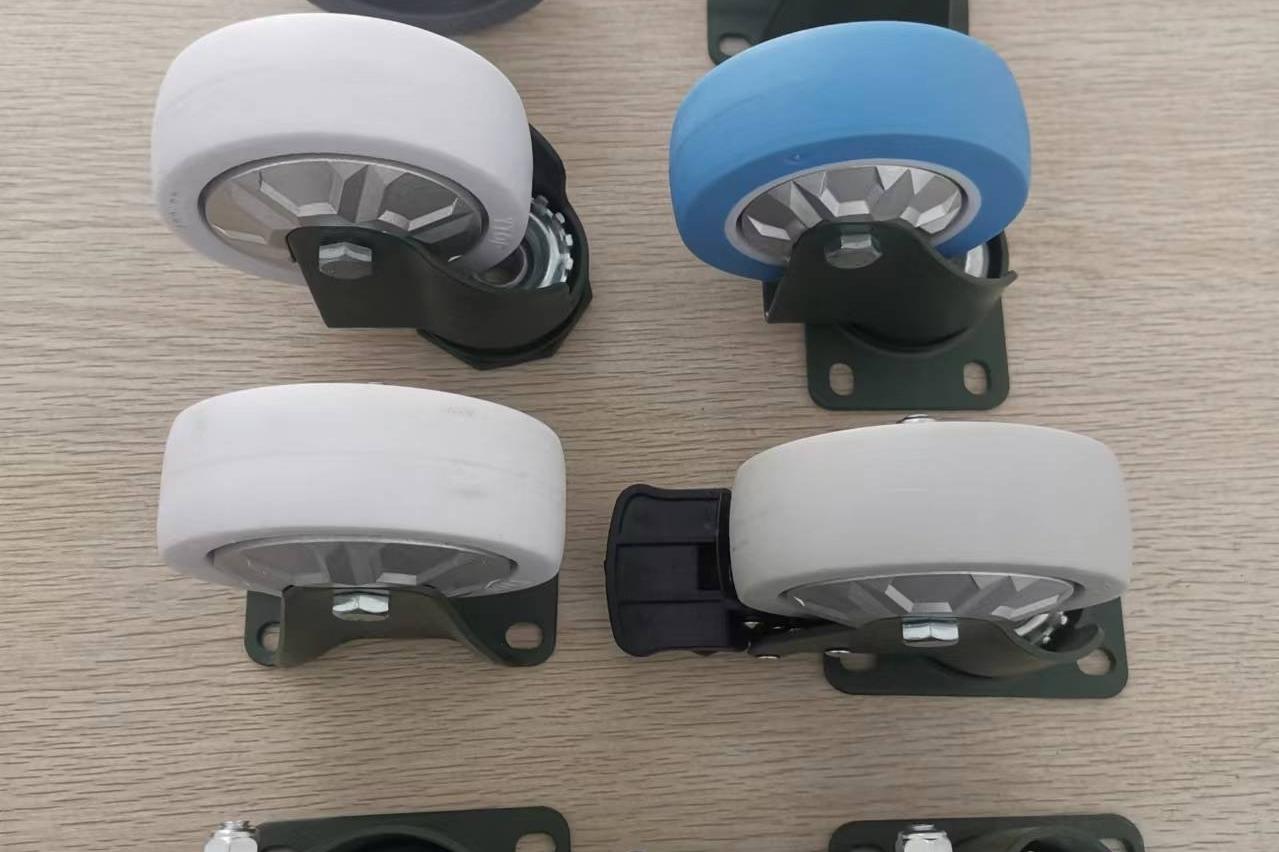
Material and finish codes map directly to service life and suitable scenarios:
- Tread material: polyurethane, rubber, nylon or other — each differs in wear, temperature and corrosion resistance.
- Bracket material: the steel grade or alloy used.
- Surface finish: powder coating, electroplating or galvanizing — corrosion protection grade depends on it.
If the nameplate says one material but the wheel looks like another, treat it as an alert. Compare tread options in our rubber vs PU vs nylon guide.
Practical Uses: Verification and Traceability
Nameplates earn their keep beyond reading:
- On arrival: compare nameplates against purchase orders item by item; handle any mismatch immediately.
- Batch issues: use the batch number to trace production information and locate the problem scope.
- Archive photos: photograph nameplate parameters into the equipment ledger — next time you source replacement wheels, you have evidence instead of confirming from scratch.
Why Archiving Matters
Archiving looks redundant, but its real value shows when wheels fail: if the original nameplate is worn and the model is illegible, pull up the procurement-stage photo and you can buy the right replacement in one shot. One photo saved at procurement eliminates back-and-forth model confirmation during replacement.
Related Reading
Looking for more in-depth caster guides and industrial mobility resources? Explore these related articles:
- Caster Load Capacity Classes — Light, medium, heavy and extra-heavy grading explained.
- How to Calculate Load Capacity — Dynamic vs static load and the safety margin rule.
- Rubber, PU and Nylon Casters — Match nameplate materials to your application.
- Wheel Hardness Guide — Shore A vs Shore D and tread property decoding.
Explore our complete range of heavy-duty casters (150-610kg) and super heavy-duty casters (700-1600kg) for diverse industrial applications, or contact our engineering team for expert caster selection guidance.
Post time: Oct-27-2026