
Pushing the same cart, some people find it light and others find it heavy. That “light” and “heavy” is not pure feeling — it can be measured. Caster rolling resistance has standard testing methods, and understanding them moves wheel selection from “by feel” to “by data.”
What Is Rolling Resistance
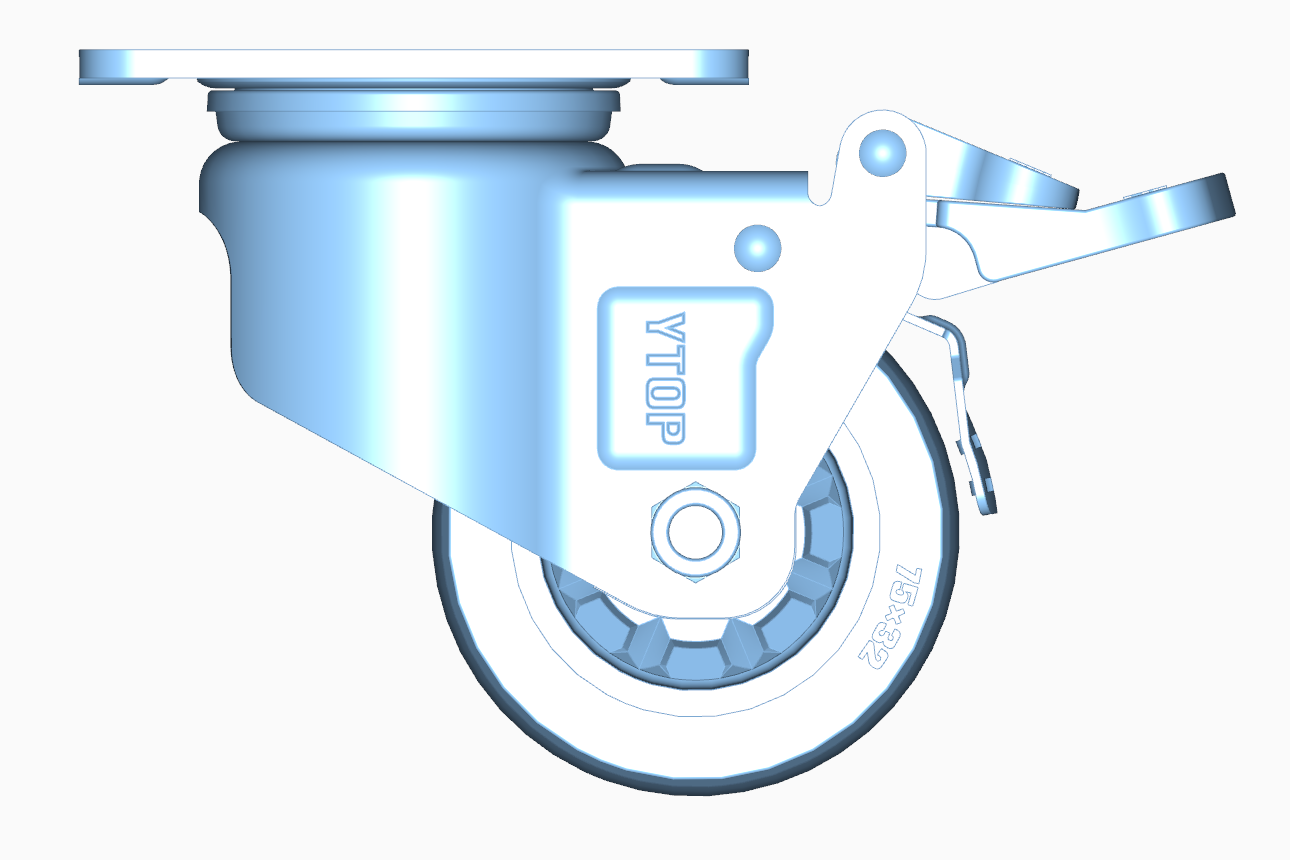
Rolling resistance is the force that hinders wheel rolling, born from energy loss as the tread and floor deform when the wheel presses down and rolls. For one caster, it is the sum of three layers: tread deformation, bearing friction, and floor conditions. The measured value is the total of these three. The lower the resistance, the easier to push — and the less power motor-driven equipment consumes.
How It Is Measured
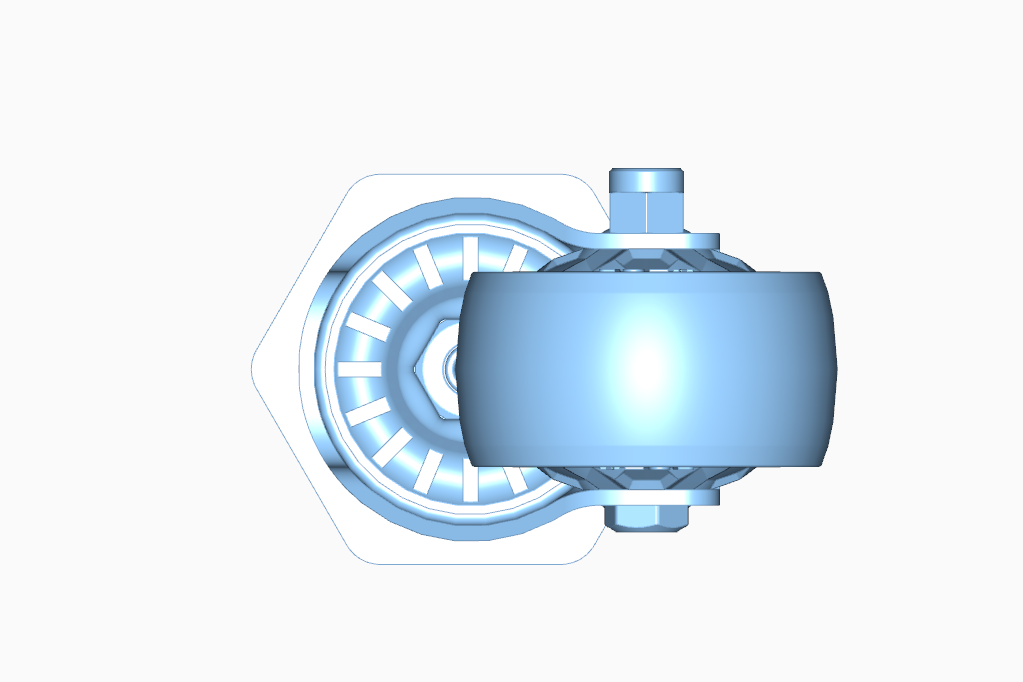
The test is not mysterious: use a force gauge to pull a caster horizontally under a standard load and read the force during stable pulling. Units are usually Newtons or kilogram-force — literally “how much force this wheel needs to roll.” The catch: test conditions must be identical — standard floor, standard load, standard speed. If conditions differ, the numbers are not comparable. Manufacturers may test differently, so confirm the baseline before comparing, or the numbers will mislead.
What Affects Resistance
Rolling resistance is driven by four things:
- Tread hardness: at the same size, a hard tread deforms less, rolls with lower resistance, and pushes easier.
- Bearing quality: quality bearings have low friction and smooth rotation, contributing little to resistance.
- Load magnitude: resistance rises roughly in proportion to load.
- Floor conditions: rough floors and soft floors both raise rolling resistance significantly.
That is why the same wheel feels different in different workshops — the wheels are identical, the floors are not.
Labor-Saving Means Lower Resistance
To make carts easier to push, move these four factors in the right direction:
- Choose hard treads — nylon and polyurethane hard surfaces usually push more efficiently than soft rubber.
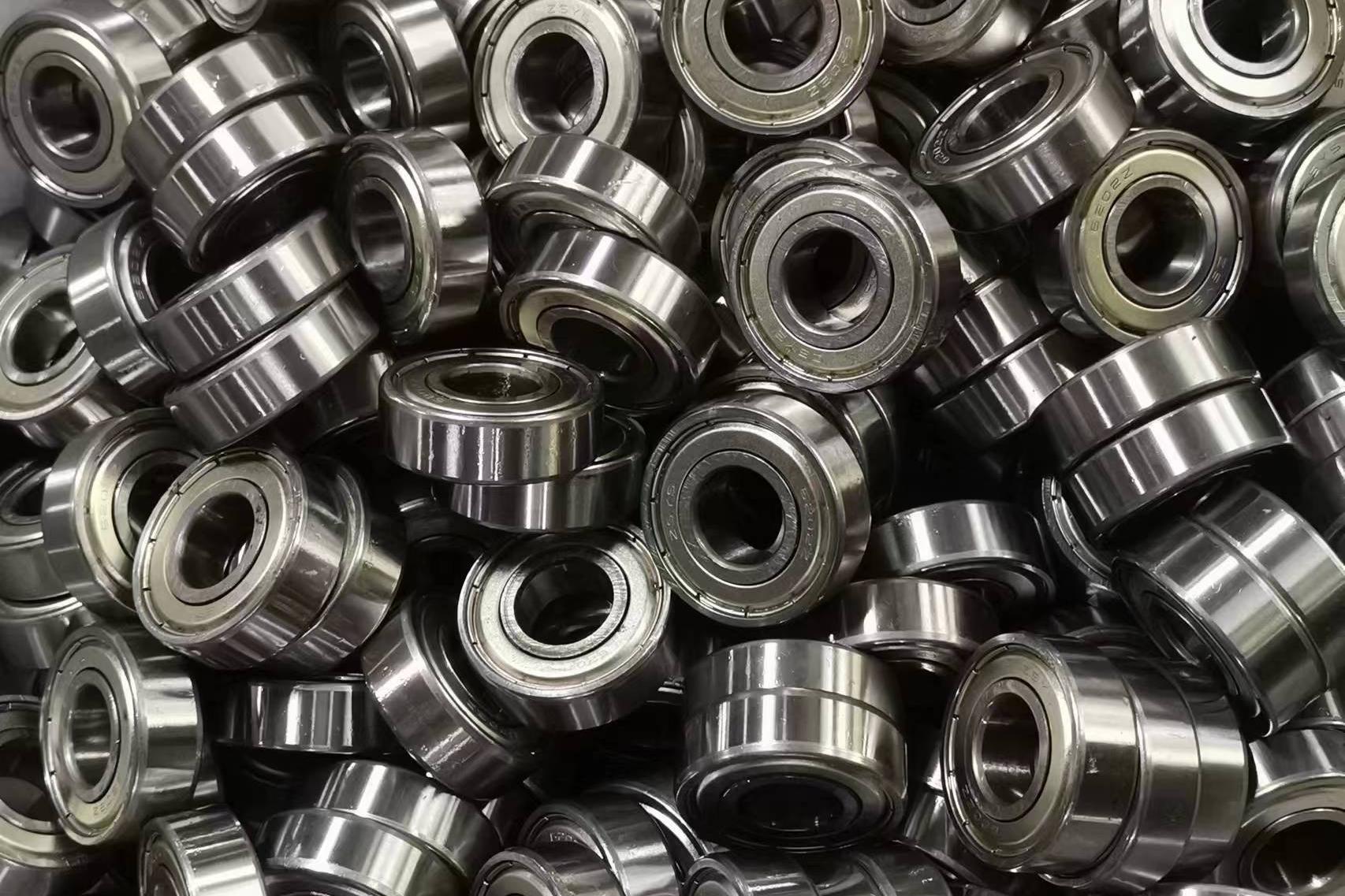
- Fit good bearings — bearing smoothness directly changes pushing force; do not save money here.
- Keep pneumatic tires fully inflated — low pressure visibly increases resistance.
For tread comparisons, see our rubber vs PU vs nylon guide; for how hardness maps to tread choice, the Shore hardness guide is a good companion.
How to Read the Data
When you receive rolling resistance data, first check that the test conditions use the same standard, then verify tread hardness and bearing grade match — only then are sizes comparable. Generally, under the same load and floor, hard-surface wheels show lower resistance than soft-surface wheels, and the labor-saving effect in heavy-load scenarios is clearest — but pair hard surfaces with good shock absorption, or floor impact transfers straight to the equipment.
Rolling resistance is the quantitative answer to “is this caster labor-saving.” Before procurement, ask the manufacturer for test data under the same conditions — report your load, floor and usage frequency, and let the data speak, which beats guessing by feel. For load planning, review our load capacity guide.
Related Reading
Looking for more in-depth caster guides and industrial mobility resources? Explore these related articles:
- Why Carts Are Hard to Push — Bracket, diameter and lubrication factors behind effort.
- Wheel Hardness Guide — Hard treads and their rolling-resistance advantage.
- Rubber, PU and Nylon Casters — Material properties that change push effort.
- How to Calculate Load Capacity — Load levels that scale rolling resistance.
Explore our complete range of heavy-duty casters (150-610kg) and super heavy-duty casters (700-1600kg) for diverse industrial applications, or contact our engineering team for expert caster selection guidance.
Post time: Oct-29-2026