
In an automotive plant, mobile tools are essential. Whether on the assembly line or in the shop floor, these tools need to be able to move flexibly so that employees can maneuver them with ease. To ensure the stability and reliability of mobile tools, automotive factories often choose to use heavy duty casters. So why do automotive factories use heavy duty casters for mobile tools? In this article, we’ll cover the features of heavy duty casters and their importance in automotive factories.
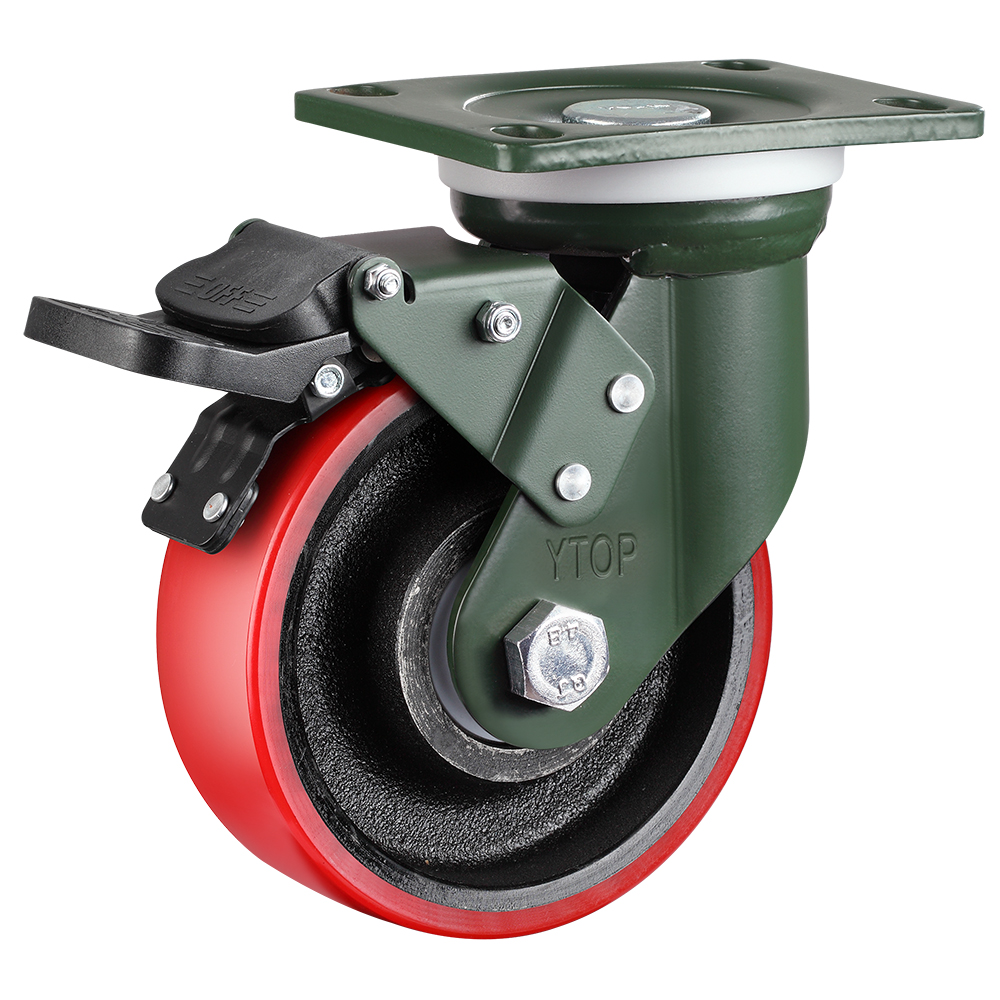
Unique Features of Heavy Duty Casters
Heavy duty casters have a number of unique features that make them ideal for automotive plant moving tools. First, heavy-duty casters are typically made of high-strength cast iron, which is able to withstand high loads and heavy pressures, ensuring that mobile tools are not deformed or damaged during use. Secondly, the wheels of heavy duty casters are usually made of wear-resistant materials that are resistant to high temperatures and corrosion, and are able to adapt to the harsh environment of automobile factories, and there will be no wear and tear on the wheels during long-term use. In addition, heavy-duty casters also have good buffering and shock absorption effects, which can protect mobile tools and the ground and reduce the generation of noise and vibration.
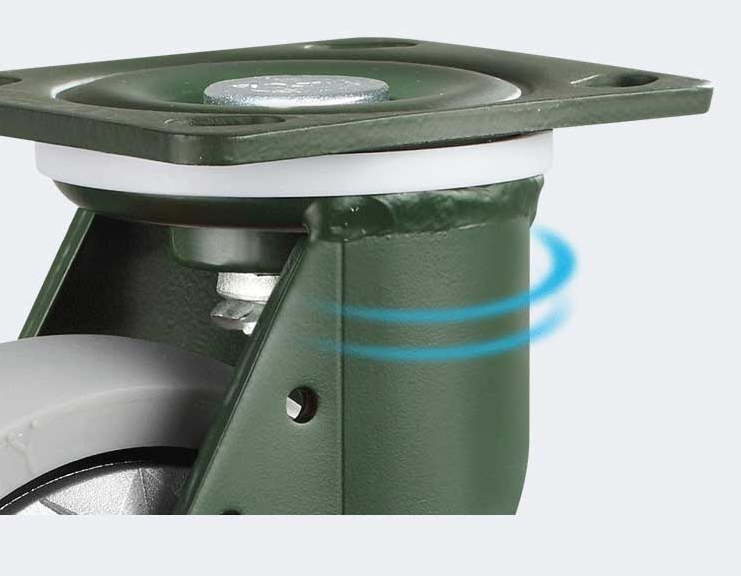
Flexibility and Convenience Design
In addition to the above features, heavy-duty casters also have the characteristics of flexibility and convenience, making them an excellent choice for mobile tools in automobile factories. Heavy-duty casters are usually designed with 360-degree swivel, which enables them to move flexibly in tight spaces and facilitate the operation of employees. In addition, heavy-duty casters are designed for quick installation and can be easily mounted on a variety of mobile tools to improve work efficiency. In addition, heavy duty casters have good abrasion resistance and impact resistance, which can cope with the needs of different floors in automobile factories, and ensure that the mobile tools can operate stably and reliably under any circumstances.
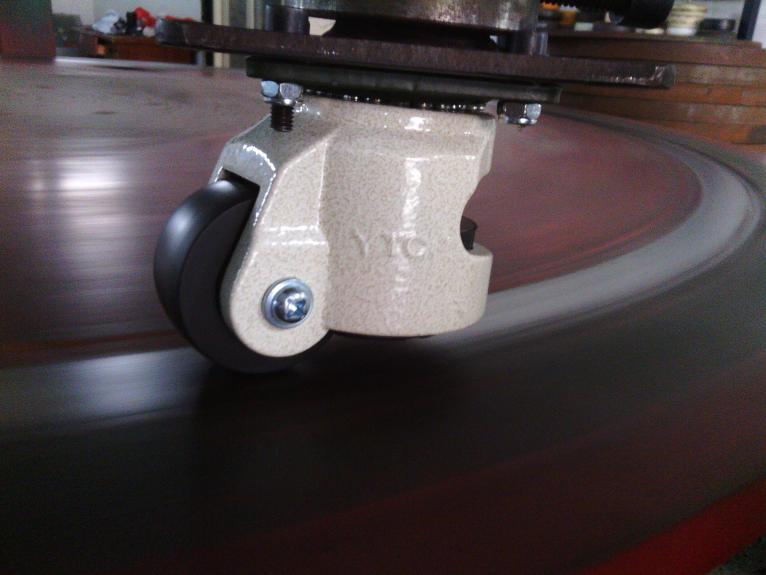
Importance in Automotive Factory Applications
In automotive factories, mobile tools play a crucial role, and they need to be able to move flexibly so that employees can operate easily. To ensure the stability and reliability of mobile tools, automotive factories often choose to use heavy duty casters. Heavy duty casters are characterized by high strength, abrasion resistance, corrosion resistance, cushioning and shock absorption, 360 degree rotation, etc., which can adapt to the harsh environment of automotive factories, improve work efficiency, and ensure that the mobile tools can operate stably and reliably under any circumstances. Therefore, why do automobile factory mobile tools use heavy duty casters? The answer lies in the various features of heavy duty casters, and their excellent performance will bring better productivity and working environment for automobile factories.
Related Reading
Explore more heavy duty caster automotive factory and application guides:
- Heavy-Duty Casters Selection Guide — Complete guide to selecting heavy-duty casters for automotive factory mobility tools.
- Application Areas of Extra Heavy Duty Casters — Learn about extra heavy duty caster applications including automotive factory mobility tools.
- What Are Extra Heavy Duty Industrial Casters? — In-depth explanation of extra heavy duty industrial caster basics for automotive factory applications.
- Advantages of Low Center of Gravity Casters — Learn about low center of gravity caster advantages for automotive factory mobility tool stability.
- Analysis of Heavy-Duty Industrial Caster Selection — Learn about key questions to know when selecting heavy-duty industrial casters for automotive factory tools.
Explore our complete range of automotive factory-ready heavy-duty casters (150-610kg) and super heavy-duty casters (700-1600kg) for automotive factory mobility tools, or contact our engineering team for expert heavy duty caster automotive factory selection guidance.
Post time: May-13-2024