
A PU wheel, or polyurethane wheel, is a caster wheel whose tread is made from polyurethane, a versatile polymer that combines the resilience of rubber with the load-bearing capacity of metal. PU wheels have become the industry standard for medium and heavy-duty caster applications due to their exceptional combination of strength, floor protection, and quiet operation. This guide explains what a PU wheel is, its key characteristics, and how to determine if it is the right choice for your application.
What Is a PU Wheel?
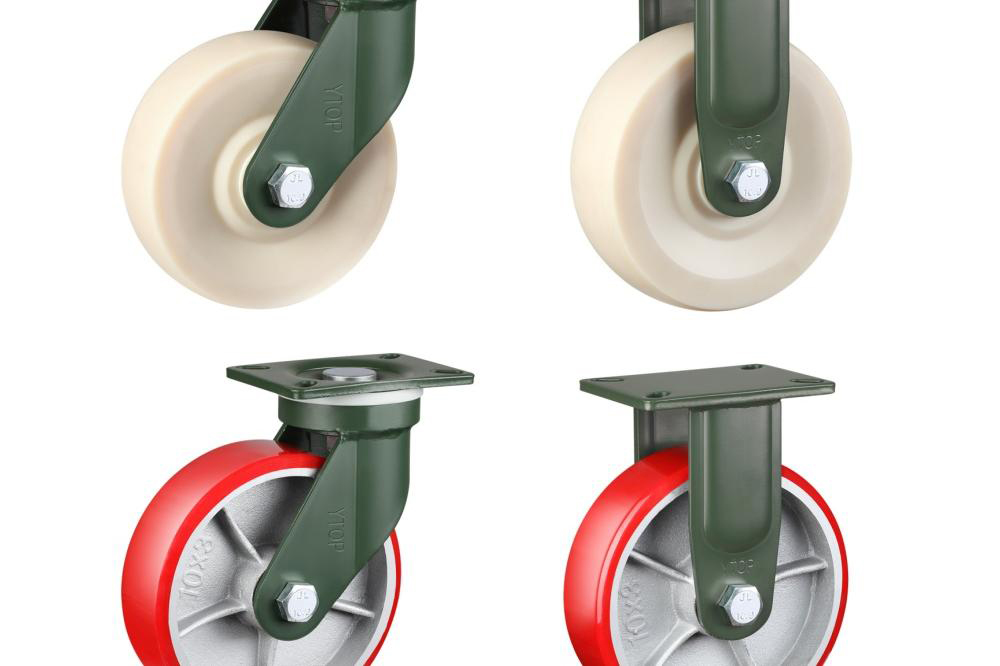
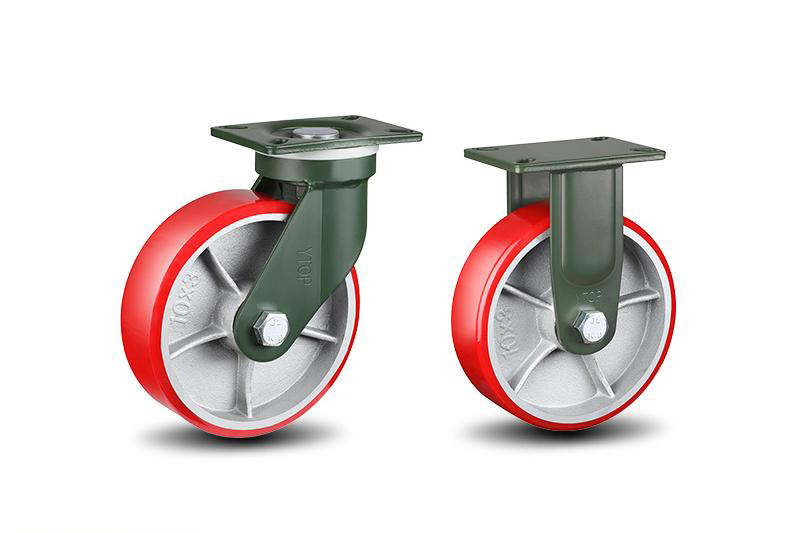
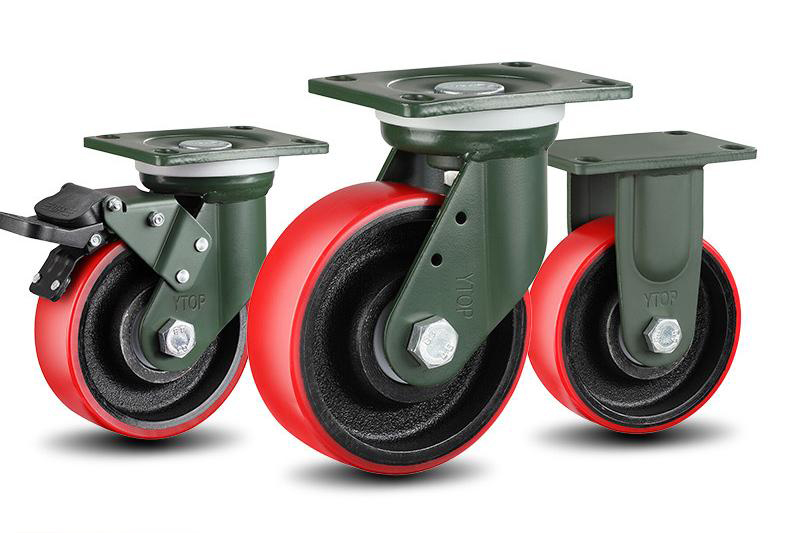
A PU wheel is constructed by bonding a layer of polyurethane elastomer to a rigid core made of cast iron, aluminum, nylon, or polypropylene. The polyurethane tread provides the rolling surface, while the core provides structural strength. The bonding between the tread and core is critical; high-quality PU wheels use chemical bonding or centrifugal casting to prevent delamination under heavy loads. Polyurethane is a thermosetting polymer formed by reacting diisocyanates with polyols, and its properties can be precisely tuned during manufacturing to achieve specific hardness, rebound, and wear resistance characteristics.
Key Characteristics of PU Wheels
Exceptional Load Capacity
PU wheels offer one of the highest load-to-weight ratios among caster wheel materials. A polyurethane tread on a cast iron or nylon core can support loads ranging from 150 kg to over 1500 kg per wheel, depending on diameter and tread thickness. This makes PU wheels suitable for heavy-duty platform carts, automotive assembly line equipment, AGV systems, and industrial racks. The high load capacity is achieved without the harshness of a solid metal wheel or the deformation issues of rubber.
Floor Protection and Non-Marking
Unlike hard nylon or metal wheels, polyurethane treads are non-marking and will not scuff or damage epoxy, vinyl, wood, or sealed concrete floors. The slightly elastic tread conforms to minor floor irregularities, distributing the load evenly and preventing surface indentation. This characteristic makes PU wheels the preferred choice for cleanrooms, hospitals, food processing facilities, and showroom environments where floor aesthetics are important.
Quiet Rolling Operation
PU wheels roll significantly quieter than hard plastic or metal wheels. The elastomeric tread absorbs vibrations from cracks and expansion joints in the floor, producing a smooth, low-noise rolling experience. In noise-sensitive environments such as offices, libraries, hospitals, and residential care facilities, PU wheels reduce sound levels by 10 to 15 decibels compared to nylon wheels of the same size and load rating.
Chemical and Environmental Resistance
Polyurethane wheels exhibit excellent resistance to oils, greases, gasoline, and most industrial chemicals. They will not swell or degrade when exposed to these substances, unlike rubber wheels which can soften and delaminate. PU wheels also resist water, hydrolysis, and mild acids, making them suitable for wet environments and washdown areas. However, prolonged exposure to strong acids, bases, and certain solvents can degrade polyurethane over time. Standard PU wheels operate effectively from -20 C to 80 C, with specialized high-temperature compounds available for up to 120 C.
Low Rolling Resistance
Despite being elastomeric, PU wheels have lower rolling resistance than solid rubber wheels of comparable hardness. This means operators can push loaded carts with less effort, reducing fatigue and improving productivity. The low rolling resistance also benefits AGV and towline applications, where battery energy efficiency is critical. PU wheels maintain their low rolling resistance even under heavy loads because the tread does not deform significantly under compression.
Excellent Wear Resistance
Polyurethane has exceptional abrasion resistance, typically outlasting rubber wheels by 3 to 5 times in the same application. The molecular structure of polyurethane resists cutting, chunking, and gouging from debris on the floor. In clean, indoor industrial environments, a quality PU wheel can last 5 to 8 years before replacement. The wear rate increases dramatically on rough outdoor surfaces, broken concrete, or floors with metal shavings and welding slag, so PU wheels are best suited for smooth indoor floors.
PU Wheel Hardness Options
PU wheels are available in different durometer (hardness) ratings to match different applications. Soft PU (Shore A 70-80) offers maximum floor protection and noise reduction but has slightly lower load capacity and higher rolling resistance. Medium PU (Shore A 85-95) is the most versatile, balancing load capacity, rolling resistance, and floor protection. Hard PU (Shore D 55-65) provides maximum load capacity and minimum rolling resistance but can transmit more vibration and may mark sensitive floors. The correct hardness depends on the floor material, load weight, speed, and noise requirements of your specific application.
Comparing PU Wheels to Other Materials
Compared to nylon wheels, PU wheels are quieter, floor-protective, and offer better shock absorption, but nylon has better chemical resistance in extreme environments and lower material cost. Compared to rubber wheels, PU wheels have much higher load capacity, lower rolling resistance, and longer wear life, but rubber provides better shock absorption on rough outdoor terrain. Compared to phenolic wheels, PU wheels are much quieter and won’t crack under impact, while phenolic is better for high-temperature ovens. For most indoor industrial applications, PU wheels strike the optimal balance of performance characteristics.
Manufacturing Process of PU Wheels
PU caster wheels are manufactured using either cast molding or centrifugal casting. In the cast molding process, liquid polyurethane is poured into a mold around the metal or plastic core and cured at elevated temperature. This method is cost-effective for large production runs but may have slight density variations. Centrifugal casting spins the mold during curing, forcing the polyurethane outward to create a denser, more uniform tread with excellent bonding to the core. This premium process produces wheels with longer wear life and better load distribution. The tread thickness also matters: thicker treads (12-20 mm) provide longer life and better floor protection, while thinner treads (6-10 mm) are lighter and have lower rolling resistance.
Common PU Wheel Applications
PU wheels are found in a remarkably wide range of applications. In warehousing and logistics, they power order-picking carts, conveyor stops, and loading dock equipment where quiet operation and floor protection are essential. In automotive manufacturing, PU wheels on AGVs and assembly line dollies handle heavy component loads while protecting epoxy floors. In the food and beverage industry, non-marking, washable PU wheels meet stringent hygiene requirements. In healthcare, hospital beds and medical equipment use soft-tread PU wheels for quiet, safe patient transport. Retail display racks and shopping carts also use PU wheels to protect polished floors while providing smooth rolling for customers. The versatility of polyurethane makes it the go-to material when no single alternative can match its combination of properties.
For applications requiring even higher performance, YTOP offers custom-engineered PU wheels with special properties. High-rebound formulations reduce heat buildup during continuous AGV operation. Conductive PU compounds prevent static electricity buildup in sensitive electronics environments. Anti-microbial PU compounds are available for pharmaceutical and food-grade applications. When selecting a PU wheel, provide your caster manufacturer with the floor surface, total load per wheel, speed, environmental conditions, and any chemical exposure. This allows the correct PU formulation, durometer, and core material to be specified for long, trouble-free service. Quanzhou Zhuoye Caster Manufacturing Co., Ltd. has over two decades of experience manufacturing high-quality PU caster wheels for global industrial customers.
PU Wheel Core Materials and Bonding
The core material inside a PU wheel significantly affects its performance and cost. Cast iron cores offer the highest load capacity and thermal stability, making them suitable for heavy-duty and high-speed applications. Aluminum cores are lighter and corrosion-resistant, ideal for applications where weight reduction matters. Nylon cores are economical and non-corrosive, suitable for medium-duty loads. Polypropylene cores are the most budget-friendly but have lower temperature resistance. The bonding between PU tread and core is achieved through chemical adhesion, where the polyurethane chemically bonds to a primer applied on the core surface. Poor bonding leads to tread delamination, where the polyurethane separates from the core under heavy loads, causing sudden wheel failure. Reputable manufacturers perform bonding tests to ensure tread-to-core adhesion exceeds the shear strength of the polyurethane itself, meaning the tread will wear out before it delaminates.
Frequently Asked Questions
Q: How long do PU caster wheels last?
A: In clean indoor environments with proper loading, PU wheels typically last 5 to 8 years. On rough outdoor surfaces or with chemical exposure, life may be shorter. Regular cleaning and proper load distribution maximize service life.
Q: Are PU wheels suitable for outdoor use?
A: PU wheels can be used outdoors but are best suited for smooth paved surfaces. They perform less well on gravel or rough terrain where rubber wheels are preferred. Avoid prolonged UV exposure, which can cause surface cracking.
Q: Can PU wheels handle oil and grease?
A: Yes, polyurethane is highly resistant to oils, greases, gasoline, and most industrial fluids. This is one of the key advantages over rubber wheels, which can swell and degrade when exposed to petroleum products.
Q: What load capacity can a PU wheel handle?
A: Depending on diameter and core material, PU wheels range from 150 kg per wheel for small light-duty sizes to over 1500 kg for heavy-duty wheels with cast iron cores and large diameters.
Related Reading
Why Do AGV Casters Love to Use Polyurethane? Physical Property Analysis
Polyurethane vs Nylon Swivel Casters: Wear Resistance, Load, Resilience Comparison
Advantages and Disadvantages of Nylon Wheels for AGV Casters
What Are the Common Universal Wheels? How to Use Them Correctly
How to Calculate Industrial Caster Load Capacity
Browse Medium Duty PU Caster Series (100-190kg)
Super Heavy Duty PU Casters (700-1600kg)
Contact YTOP for PU Wheel Recommendations
Post time: Dec-06-2023