
When buyers search for a reliable caster supplier, they often wonder what actually happens inside a caster factory. A caster is far more than a wheel bolted to a bracket: it is the result of a precise manufacturing workflow that turns raw steel coils and engineering plastic pellets into a load-bearing, freely swiveling component. A caster that fails in the field rarely fails because of one bad part; it usually fails because a step in the factory workflow was skipped or rushed. In this article we walk through what a caster factory actually does, from incoming material to final quality control, and explain why understanding that workflow helps you judge a supplier’s real capability rather than just its price list.
What a Caster Factory Does at a High Level
A caster factory designs, molds, stamps, assembles and tests casters of every size and duty, from light furniture wheels to super-heavy industrial casters. It combines metal stamping for brackets, injection molding for wheels, riveting or screw assembly for the swivel joint, surface treatment, and a battery of quality checks. The best factories control the whole process in-house. Vertical integration is what lets them guarantee consistency, lead time and cost, instead of buying parts from outside traders and simply packing them together in a box. When a factory owns its stamping dies, its injection molds and its test equipment, every parameter can be tuned and traced.
Step 1: Incoming Material and Component Preparation
The workflow starts with raw materials: steel coils for brackets, nylon and polyurethane pellets for wheels, precision ball bearings, rivets, axles and fasteners. A serious caster factory inspects every incoming batch for material certificates, sheet thickness, bearing grade and plastic melt flow index before production begins. This is critical because a weak bracket or an off-spec plastic pellet is impossible to fix further down the line, and rework at assembly costs far more than rejecting the material at the gate.
Stamping and Bracket Forming
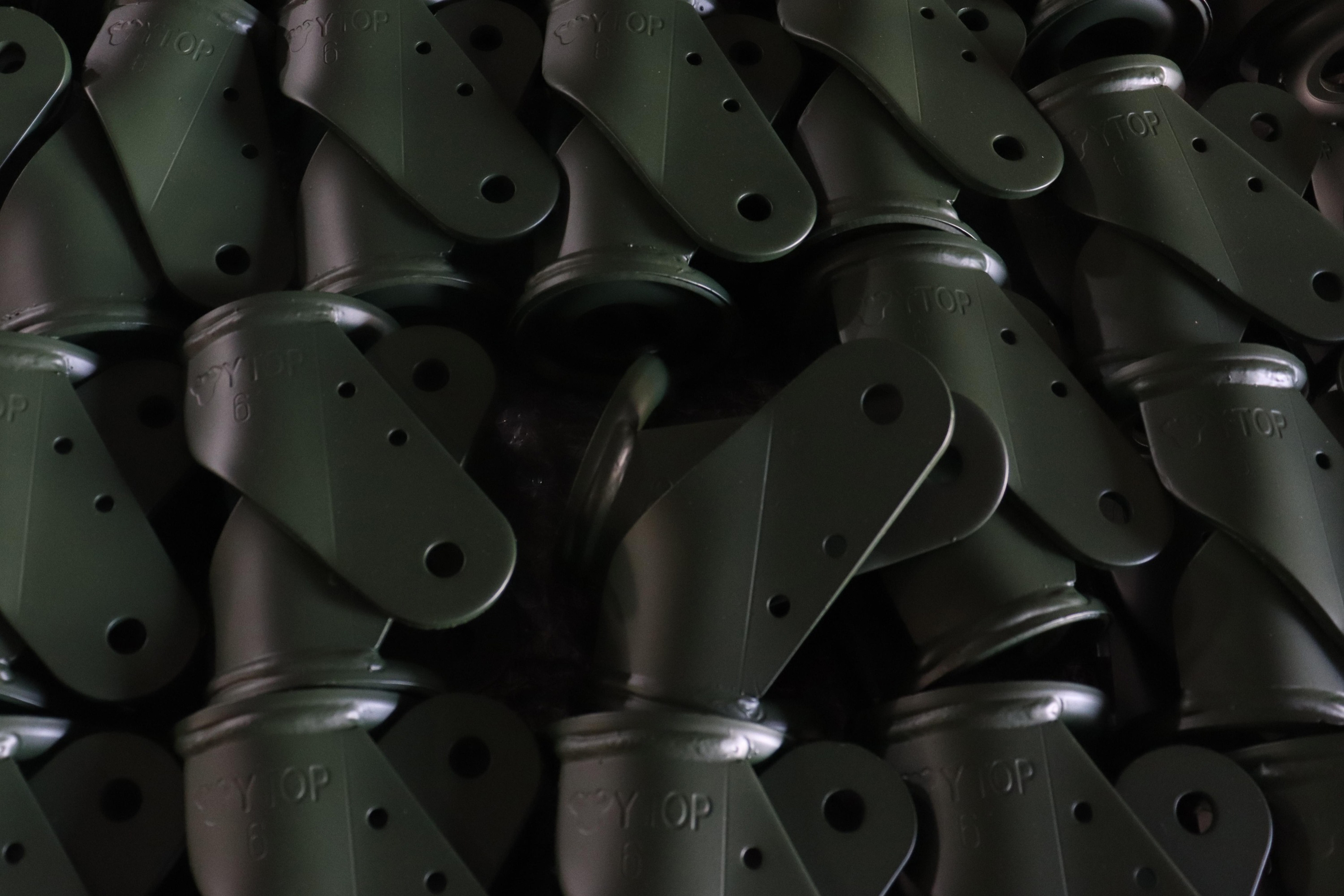
Steel sheets are uncoiled, leveled, cut and punched on progressive dies, then stamped and bent into top plates and fork-shaped brackets. The precision and life of these dies directly decide whether two brackets coming off the line six months apart are still identical in dimension. Manganese steel is commonly chosen for heavy-duty brackets because it combines high yield strength with toughness against impact and repeated loading.
Step 2: Wheel and Tread Manufacturing
Injection Molding of Nylon and Plastic Wheels
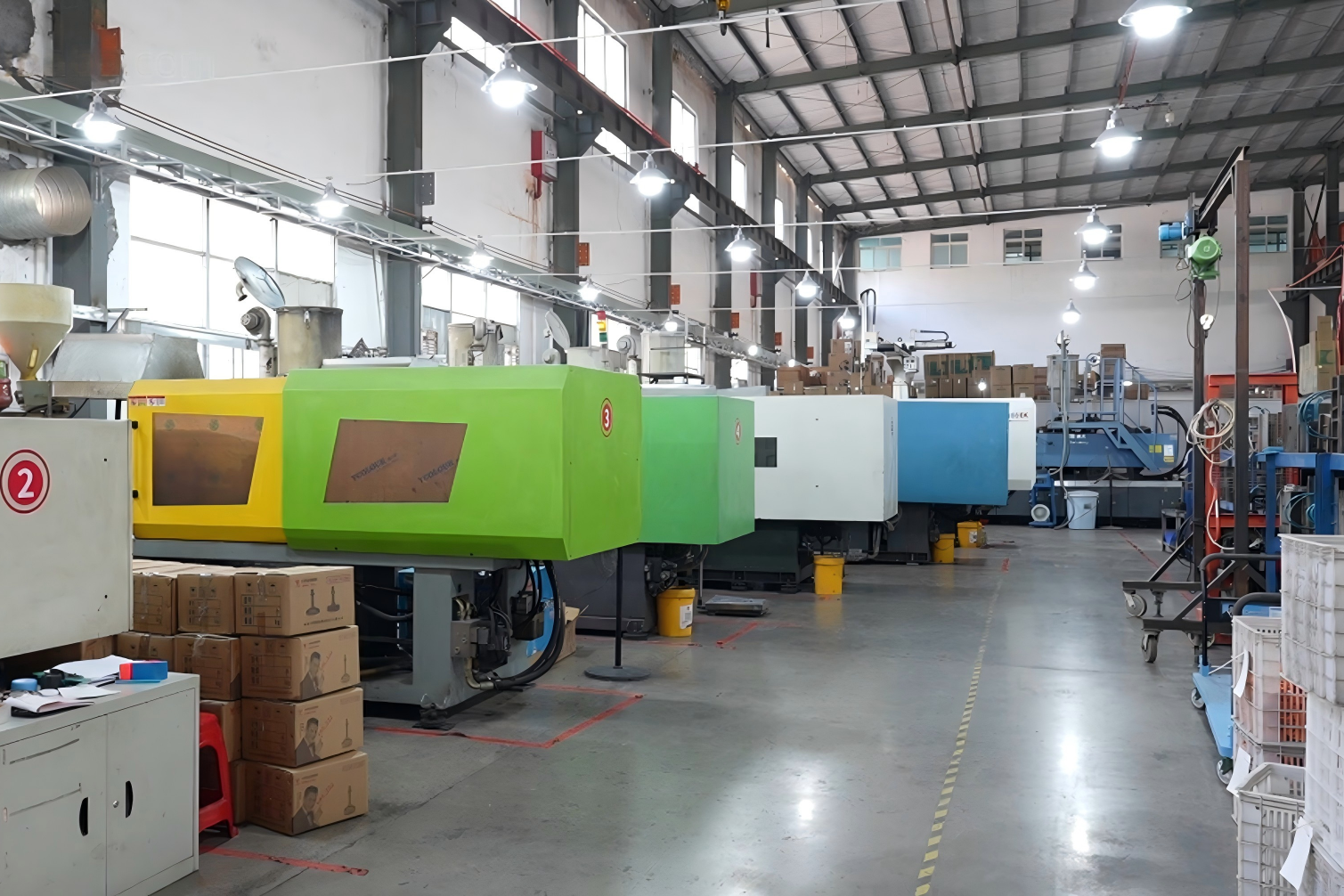
Nylon, PP and TPR wheels are produced by injection molding. Plastic pellets are dried, melted under heat, injected at high pressure into a precision steel mold, held under pressure to pack the part, cooled and finally ejected. Mold temperature, injection pressure, hold time and cooling time must all be tightly controlled so the finished wheel is dimensionally stable, free of internal voids, and resistant to the creep that would otherwise flatten it under long load.
Polyurethane Casting and Bonding
For high-performance polyurethane wheels, a plastic, cast iron or aluminum core is placed in a mold and liquid polyurethane is cast or reaction-bonded around it. Proper adhesion between the PU tread and the core is essential, because a tread that delaminates under load is one of the most dangerous wheel failures possible. Good factories test bond strength by shear and impact before a wheel is approved for the line.
Step 3: Swivel Bearing Assembly and Riveting
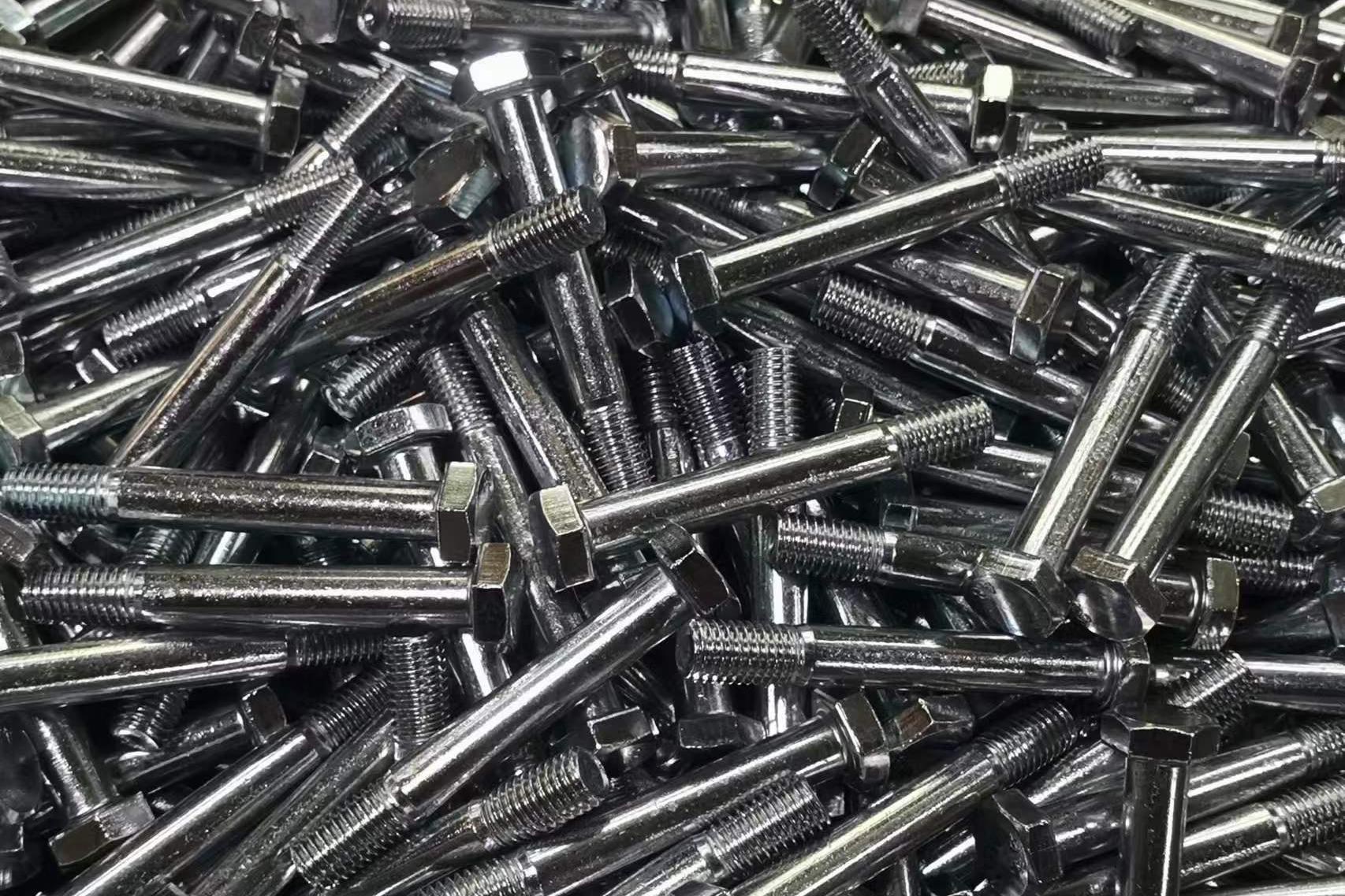
The swivel joint is the heart of every universal caster. Steel bearing balls are placed in the top and bottom raceways of the bracket, high-performance grease is packed in, and the raceway is crimped or riveted shut to retain the balls. The riveting or crimping force must be exactly right: too loose and the caster wobbles axially, too tight and it will not swivels freely. Modern factories use automated riveting machines with torque or pressure feedback so every caster is set to the same preload, batch after batch.
Step 4: Assembly, Brake Fitting and Surface Finishing
Finished wheels are pressed onto axles with sealed bearings, dropped into the fork, and secured with a nut, bolt or retaining ring. Brakes, thread stems, grip-neck stems or mounting plates are added according to the order. Brackets that will face moisture or corrosive environments are zinc-plated, painted or powder-coated before assembly. Every workstation follows a written work instruction so that a light-duty service caster and a super-heavy platform caster are assembled to their own, clearly different standards.
Step 5: Quality Control and Testing
A professional caster factory does not pack boxes straight off the line. It samples casters from every batch for static and dynamic load testing, rolling and swivel force measurement, salt-spray corrosion testing, and running-noise checks. Critical dimensions, axle torque and appearance are inspected against a checklist, and batch records are kept so that any later field issue can be traced back to a specific production lot, mold and material certificate. This traceability is what separates a true manufacturer from an assembled trader.
Common Equipment Inside a Caster Factory
Walking the floor, you will see progressive stamping presses and die sets for brackets, a row of injection molding machines for wheels, automated riveting and assembly stations, a salt-spray cabinet for corrosion testing, and load-test rigs that simulate years of rolling in hours. Larger factories also have mold-making capability in-house, which lets them refine a wheel or bracket design quickly when a customer needs a custom size.
Why This Workflow Matters to Buyers
Once you understand the workflow, you can ask a supplier the right questions: Do they mold their own wheels or buy them in? Do they control stamping in-house? How do they verify swivel riveting preload? What load and salt-spray tests do they run? A factory that controls every step answers these questions with confidence, offers shorter lead times and stands behind real after-sales support. A trader that only assembles bought-in parts usually cannot. YTOP runs this full workflow in its Quanzhou plant, from steel stamping and injection molding to final load and salt-spray testing, under ISO9001 management, which is why our casters stay stable through millions of cycles.
Lead Time, MOQ and Customization
Because a caster factory controls its own molds and stamping dies, it can also offer customization that a simple trader cannot. Standard catalog casters are usually kept in stock for fast shipment, while custom sizes, special tread hardness, non-standard mounting plates or custom colors require a dedicated mold run. Understanding this helps buyers set realistic expectations: standard items ship in days, while truly custom casters need the factory to open a mold, sample it, approve the first article and only then begin mass production. A good factory communicates every stage of this timeline clearly.
Minimum order quantities are closely tied to how much of the process is in-house. A vertically integrated plant can run a small trial batch on its own equipment, so it can support growing customers with smaller initial orders before scaling up. This is one more reason to ask where a supplier actually manufactures, rather than where its sales office happens to be.
For engineering and purchasing teams, this workflow view is also a practical checklist when auditing a factory. Ask to see the stamping floor, the injection molding machines, the riveting station and the load-test rig. A real caster factory is proud to show these off and can explain the tolerance on each. If a supplier cannot take you onto the production floor or cannot explain how a swivel raceway is crimped, that usually tells you more than any marketing brochure. Choosing a caster is a long-term purchasing decision, and the factory behind the wheel matters as much as the wheel itself.
In short, a caster factory is an integrated production system rather than a simple assembly shop. Every stage, from the steel coil arriving at the gate to the final test report on a packed carton, has to work together for the finished caster to perform reliably for years on your floor.
Frequently Asked Questions
What does a caster factory actually make?
A caster factory manufactures brackets by stamping steel, produces wheel treads by injection molding or PU casting, assembles swivel bearings with rivets, applies surface treatment, and tests every caster before packing.
Why is vertical integration important for casters?
Controlling stamping, molding and assembly in-house lets a factory guarantee consistent quality, shorter lead times and full traceability, instead of relying on inconsistent bought-in components.
How are caster wheels made?
Plastic wheels are injection-molded from pellets under heat and pressure, while polyurethane wheels have a PU tread cast and bonded to a metal or plastic core. Both require tight process control to avoid defects.
How do factories test caster quality?
They run static and dynamic load tests, rolling and swivel force checks, salt-spray corrosion tests and noise inspections, and keep batch records so any field problem can be traced.
Related Reading
Learn more about caster manufacturing, materials and selection:
- Caster Bracket Material: Characteristics of Different Materials
- Caster Dust Covers for Cleanliness and Performance
- How to Properly Use Industrial Casters to Extend Service Life
- What Scenarios Are Zhuoye Manganese Steel Casters Suitable For?
- Industrial Casters Purchasing Guide
- Browse Heavy-Duty Casters (150-610kg)
- Browse Super Heavy-Duty Casters (700-1600kg)
- Contact YTOP Factory Directly
Post time: Jan-12-2024