
Casters look simple from a distance—just a wheel and a bracket—but once you start specifying them, you quickly discover how many types exist. A caster chosen for a hospital bed is not the same as one built for an AGV (automated guided vehicle), and a 50 kg furniture caster has almost nothing in common with a 1,600 kg super-heavy-duty industrial caster. Understanding how casters are classified is the fastest way to narrow down the right product. This guide from YTOP (Zhuoye) walks you through the five most useful classification criteria—by industry, wheel material, structure, load rating and mounting style—so you can read a caster specification sheet with confidence.
Why Caster Classification Matters
The Language That Buyers and Engineers Share
Caster classification is not academic. It is the shared vocabulary between buyers, engineers and suppliers. When you say “a medium-duty, swivel, top-plate, polyurethane caster,” you have already told your supplier the load band, the steering type, the mounting method and the tread material—four of the five most important selection parameters. A clear classification system prevents the most common sourcing mistake: buying the right wheel material in the wrong load class, or the right load class in the wrong mounting style.
How Many Ways Can a Caster Be Classified?
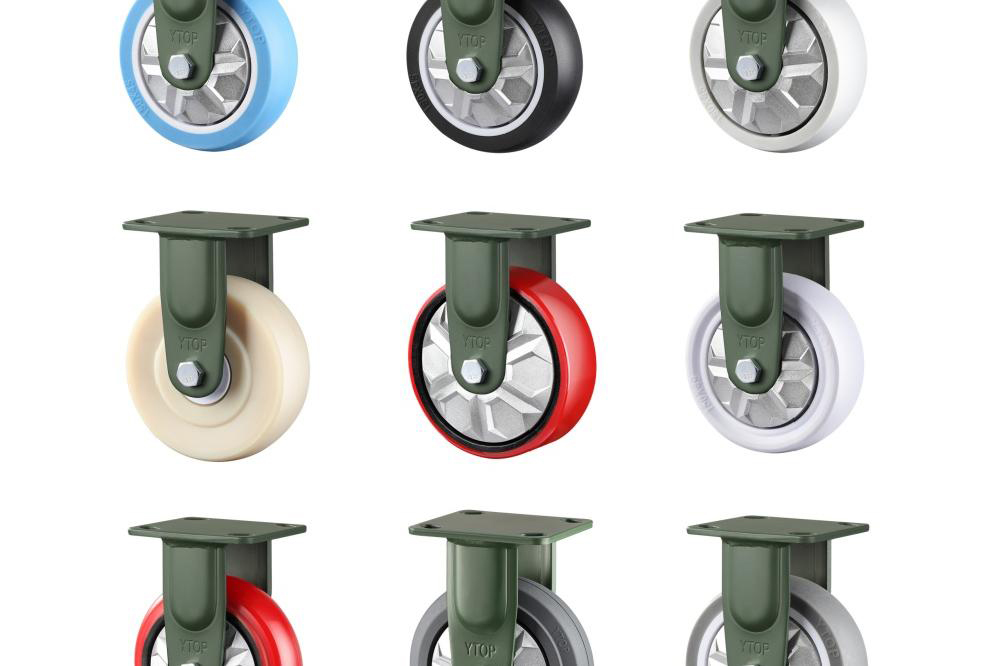
Practically speaking, every caster can be sliced along at least five independent axes. Two casters that look identical on a drawing may actually belong to completely different categories once you look beyond the surface. A 100 mm nylon wheel, for example, can be light duty on an office chair or heavy duty on a factory cart, depending on the bracket, bearing and heat treatment. Learning to read those five axes in the right order is the single most useful skill you can build in caster selection, and it is exactly what the rest of this guide walks you through.
Classification by Application Industry
Industrial, Medical, Supermarket, Furniture and AGV Casters
- Industrial casters: Built for factories, warehouses and material handling. Usually steel brackets, forged swivel heads, load ratings from 150 kg up to 1,600 kg, and wheels in nylon, PP, cast iron or polyurethane.
- Medical casters: Designed for hospital beds, instrument trolleys and anaesthesia carts. Requirements include non-marking TPR or PU treads, quiet rolling, easy disinfection and total-lock brakes.
- Supermarket casters: Used on shopping carts, roll cages and display racks. Light to medium duty, swivel steering, corrosion-resistant finishes and cost-optimised tooling.
- Furniture casters: Built for chairs, tables, cabinets and hotel luggage carts. Small diameters (50–100 mm), soft non-marking treads and often stem or grip-ring mounting.
- AGV casters: Specified for automated guided vehicles, robot platforms and logistics robots. Requirements include precision bearings, predictable rolling resistance, predictable side-load behaviour and long maintenance intervals.
Classification by Wheel Material
Nylon, Polyurethane, Rubber, PP, TPR and Cast Iron
- Nylon (PA): Hard, tough, wear-resistant; the default for heavy industrial and food-contact environments. Carries high loads but can be noisy on hard floors.
- Polyurethane (PU): The all-rounder. Bonds to a hard core, resists oils, rolls quietly and protects floors while carrying heavy loads. Common on heavy and super-heavy-duty wheels.
- Rubber: Natural or synthetic rubber treads offer excellent vibration damping and grip. Softer than nylon; typically used on lighter service carts and outdoor equipment.
- PP (polypropylene): Lightweight, chemical-resistant and low-cost. Ideal for medium-duty industrial trolleys and laundry/food processing carts.
- TPR (thermoplastic rubber): Soft, silent, non-marking. Preferred for medical, office and hospitality casters where floor care matters.
- Cast iron: For extreme loads (700 kg+ per wheel) on rough floors or in high-temperature environments. Often coated with PU for floor protection.
Classification by Structure
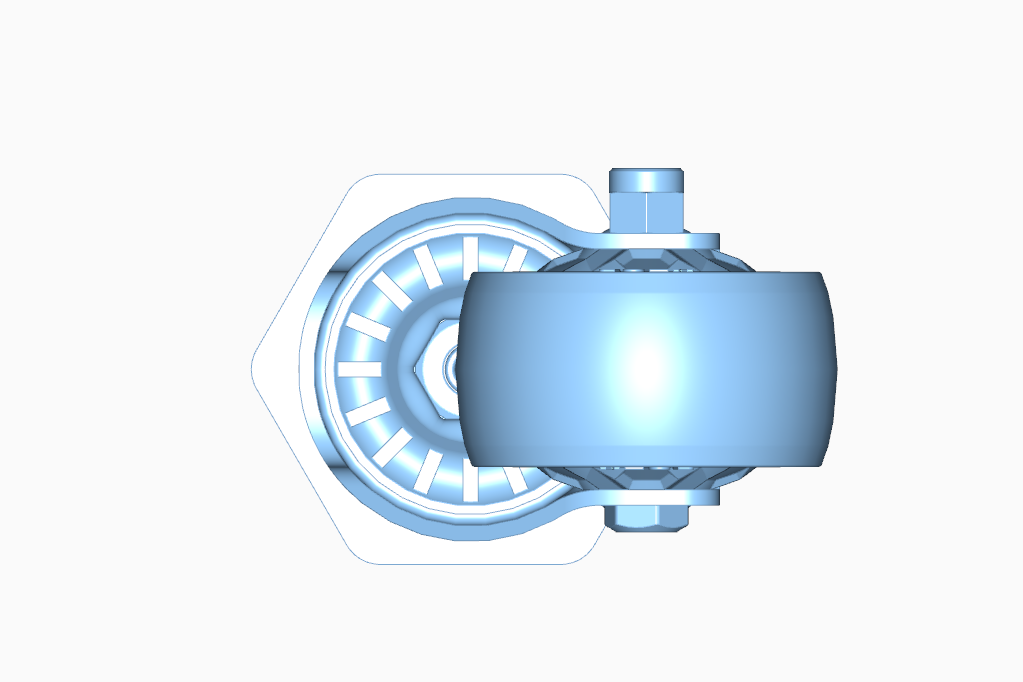
Rigid, Swivel, Brake-Equipped, Stem and Grip-Ring Casters
- Rigid (fixed) casters: The wheel axis is fixed so the caster rolls only in a straight line. Used in pairs at the rear of carts to provide directional stability.
- Swivel (universal) casters: The bracket rotates 360° around a vertical kingpin, allowing the cart to turn in any direction. Normally used at the front of carts or on four-wheel platforms.
- Braked casters: Include a total-lock brake that locks both swivel and wheel rotation, or a wheel brake that locks only the wheel. Essential on ramps, slopes and unattended equipment.
- Stem casters: Mounted via a threaded stem or a smooth stem inserted into a socket. Common on chairs, racks and tubular furniture frames.
- Grip-ring / grip-neck casters: A variation of stem caster with a spring-loaded ring that snaps into a pre-drilled hole, used widely on office chairs and display stands.
Classification by Load Rating
Light, Medium, Heavy and Super-Heavy Duty Bands
Casters are typically grouped into four load bands based on the rated load per wheel. Choosing the right band is critical: overloading a caster by even 20% can damage the swivel bearings, bend the bracket or crack the wheel.
- Light duty (35–80 kg per wheel): Furniture, display racks, office chairs, lightweight service carts. Small diameters, thin brackets, low cost.
- Medium duty (100–190 kg per wheel): Supermarket roll cages, medium trolleys, mobile workbenches, hotel housekeeping carts.
- Heavy duty (150–610 kg per wheel): Industrial racks, material-handling trolleys, drum carts, factory assembly lines. See YTOP heavy duty casters for this band.
- Super heavy duty (700–1,600 kg per wheel): AGV platforms, heavy machinery bases, die carts, aerospace tooling. See YTOP super heavy duty casters.
Classification by Mounting Style
Top-Plate, Threaded-Stem, Socket and Hole-Top Casters
- Top-plate casters: A flat steel plate with four mounting holes bolted to the underside of the equipment. The most versatile and widely used mounting style for carts and racks.
- Threaded-stem casters: A threaded bolt (e.g. M12, M16, M20) screws into a matching nut or welded boss. Common on tubular frames and adjustable equipment.
- Socket / grip-ring casters: A smooth stem that drops into a pre-drilled socket, retained by a spring ring. The fastest mounting method for furniture and light equipment.
- Hole-top (expanding) casters: A bolt passes through a hole in the equipment and is secured with a nut underneath. Common on thin sheet-metal bases.
How to Combine the Criteria: A Selection Workflow
Five Steps to the Right Caster
- Step 1 — Define the environment. Which industry? Indoors or outdoors? Around chemicals, heat or cold? This narrows the wheel material and bracket finish.
- Step 2 — Calculate the load. Divide the total equipment load plus expected payload by the number of wheels, then multiply by 1.5–2 for safety. This picks the load band.
- Step 3 — Choose steering and brake. Does the equipment need to turn freely? Add swivel casters. Does it sit on a slope? Add a total-lock brake.
- Step 4 — Match the mounting style. Plate, stem, socket or hole-top must match the equipment’s existing structure.
- Step 5 — Verify floor compatibility. Confirm the tread will not mark the floor and that rolling resistance is acceptable for the operators.
Why YTOP (Zhuoye) Helps You Classify Faster
One Supplier Across the Full Range
Most caster suppliers specialise in only one or two load bands, which forces buyers to juggle multiple vendors. YTOP manufactures across the entire spectrum—light, medium, heavy and super-heavy—so customers can source a consistent caster family for furniture, trolleys, racks and AGV platforms from a single factory. Every wheel is tested for load, rotation torque and noise before dispatch, and our engineering team can help you map your application onto the right classification in minutes.
Tips on Avoiding Common Mis-Classifications
Three mistakes come up again and again in our customer service inbox. First, buyers match wheel diameter to load capacity instead of bracket rating—remember the bracket, not just the wheel, determines the published load. Second, buyers specify outdoor casters without checking salt, UV and moisture resistance, which shortens the life of zinc-plated brackets dramatically. Third, buyers choose a swivel caster where a rigid caster would have been more stable, or vice versa. If you are unsure, send us a sketch, the floor material and the total load; we will suggest the classification before you spend a cent on tooling.
Frequently Asked Questions
What is the difference between a swivel caster and a rigid caster?
A rigid caster fixes the wheel direction so the equipment travels in a straight line. A swivel caster allows 360° rotation around a vertical kingpin, so the equipment can turn freely. Most four-wheel carts use two rigid wheels at the rear and two swivel wheels at the front.
How do I choose the right load rating?
Add the weight of the empty equipment plus the maximum expected payload, divide by the number of wheels, and multiply by a safety factor of at least 1.5. Choose the caster band whose per-wheel rating comfortably exceeds that number.
Which wheel material is best for medical equipment?
TPR or polyurethane treaded wheels are preferred for medical use because they roll quietly and do not mark linoleum, tile or epoxy floors. Ensure the bracket can be wiped down with standard disinfectants.
Can I mix swivel and rigid casters on one cart?
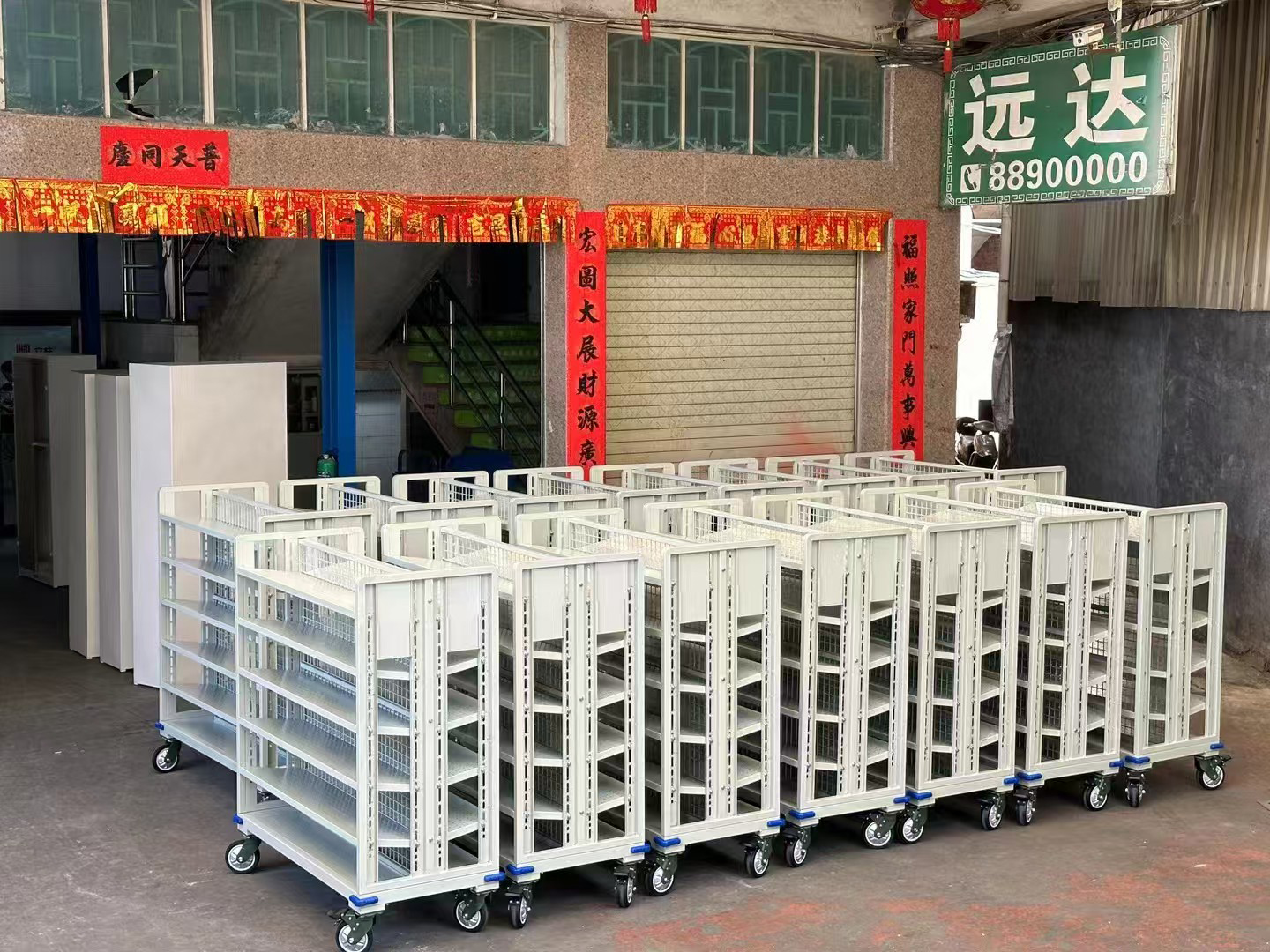
Yes. The most common arrangement is two rigid wheels at the rear (for directional stability) and two swivel wheels at the front (for steering). Four swivel wheels are used when extremely tight manoeuvrability is required.
What mounting style is best for heavy machinery?
Top-plate mounting is the standard for heavy and super-heavy-duty applications because the plate spreads the load across four bolts and resists bending under side forces. Stem mounts are generally reserved for lighter loads.
Related Reading
- What Are the Common Caster Specifications?
- In-Depth Understanding of the Structure of Casters
- What Is a Universal Wheel and Where Is It Mainly Used?
- How Does the Locking Mechanism of a Caster Work?
- Difference Between PP Casters and TPR Casters
- Explore YTOP Heavy Duty Casters (150–610 kg)
- Explore YTOP Super Heavy Duty Casters (700–1,600 kg)
- Contact YTOP (Zhuoye) for Caster Selection Support
Post time: May-04-2026