
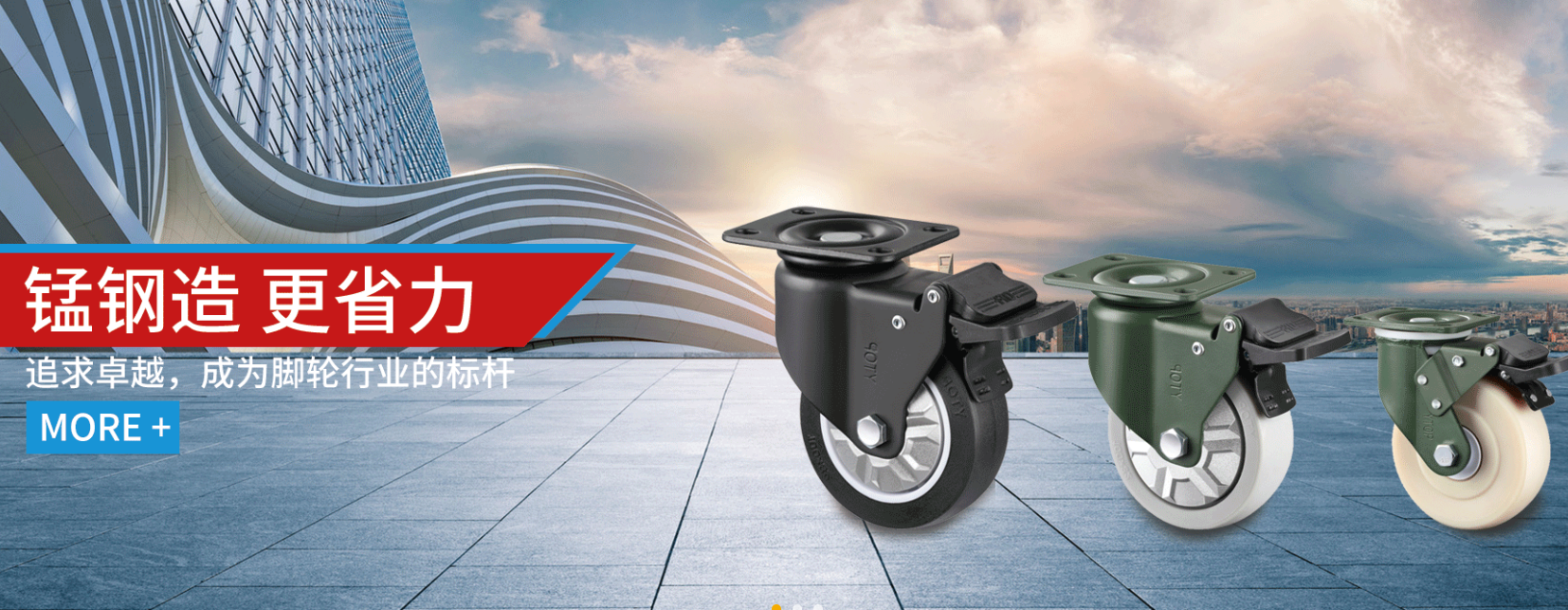
Guidelines for Selecting Caster Materials by Floor Type
Choosing the right caster material according to different floor materials.can significantly reduce rolling resistance.Increase mobility efficiency and equipment longevity.Here are some guidelines based on search results:
Smooth Floor Surfaces
Smooth ground:For indoor floors, concrete floors and other smooth surfaces.Casters made of hard materials are recommended.such as polyurethane or rubber.These materials have a low coefficient of friction Ability to reduce resistance when pushing or pulling equipment.
Uneven and Rough Surfaces
Not smooth ground:On uneven surfaces such as poorly paved floors, dirt floors or construction sites.Caster materials with good abrasion resistance and high load bearing capacity should be selected.Such as casters made of nylon.Nylon casters are able to withstand high impact and friction on uneven ground.Extended service life.
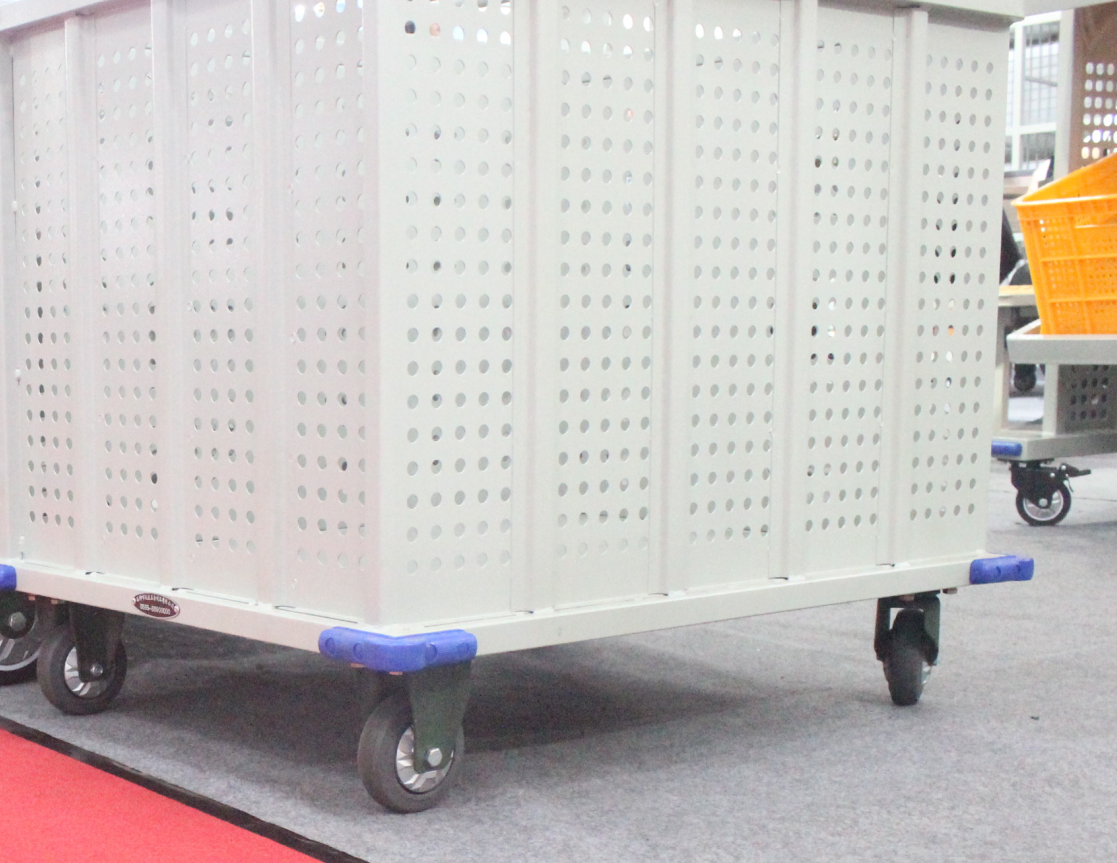
High Temperature and Chemical Environments
High temperature or chemical environments:in high temperature or chemical environments.Caster materials with high temperature and corrosion resistance should be selected.Such as high temperature polyimide or stainless steel.These materials protect the casters from chemical attack.Extended service life.
Indoor Environment Requirements
Indoor Environment:Casters used indoors usually need to have good quiet performance.to minimize the impact on the work environment.Rubber or cast polyurethane (PU) casters can effectively reduce floor vibration and noise.
Outdoor Environment Requirements
Outdoor Environment:Casters for outdoor use need to have certain impact resistance, abrasion resistance and waterproof performance.to adapt to complex and changing environmental conditions.Casters with non-slip properties should be selected.to ensure the stability of the equipment in adverse weather conditions.
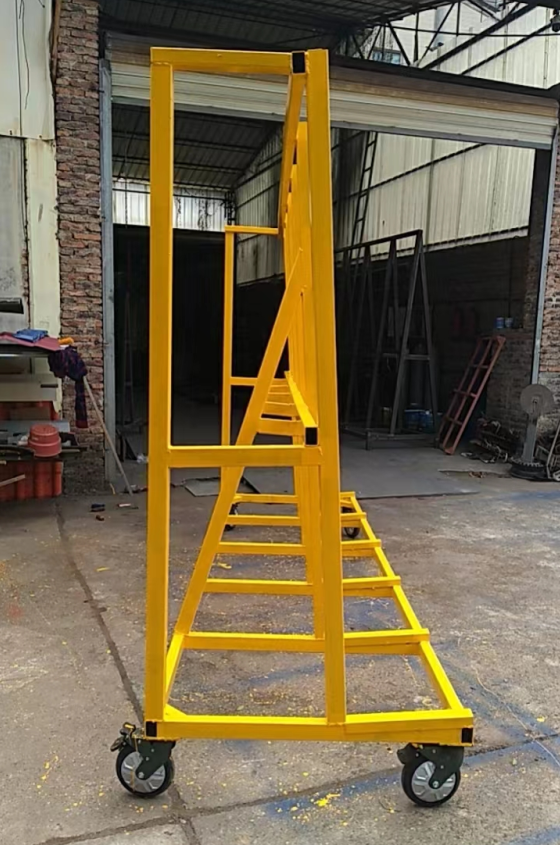
Adoption of the above principles.You can choose the most suitable caster material according to the specific use environment and ground material.This results in a reduction in rolling resistance.
Related Reading
Explore more caster material selection, floor compatibility, and rolling resistance guides:
- How to Choose the Appropriate Caster Material According to Floor Material — Learn about caster material selection according to floor material including rolling resistance considerations.
- Application of Several Common Materials in Casters — Learn about common caster material applications including rolling resistance and floor compatibility.
- How Many Types of Caster Materials Are There? — Learn about different caster material types including rolling resistance characteristics.
- Caster Selection Strategy: Material and Brand Double Consideration — Learn about caster selection strategy including material and rolling resistance considerations.
- A Trick to Help You Easily Identify the Caster Material — Learn about caster material identification including rolling resistance selection.
Explore our complete range of low-rolling-resistance heavy-duty casters (150-610kg) and medium-duty casters (100-190kg) with various material options for different floors, or contact our technical team for expert caster material selection guidance to reduce rolling resistance.
Post time: Jun-04-2025