
There are many styles of industrial casters, the quality of products is mixed, and the price difference is large. Zhuo Ye manganese steel casters take you to learn how to identify wheel material according to the flame, odor and ash characteristics when burned. This practical guide covers the burning characteristics of commonly used caster materials, helping you make informed decisions when selecting and purchasing casters.
Introduction to Caster Material Identification
Identifying caster wheel material is an important skill for purchasers, maintenance personnel, and quality control professionals. With the wide variety of caster styles available in the market, product quality varies significantly, and price differences can be substantial. Being able to accurately identify wheel material helps ensure that you are getting the material specified by the manufacturer, verify product quality, and make informed purchasing decisions. While there are several methods for identifying caster materials, the burning test is one of the most practical and accessible methods for field identification.
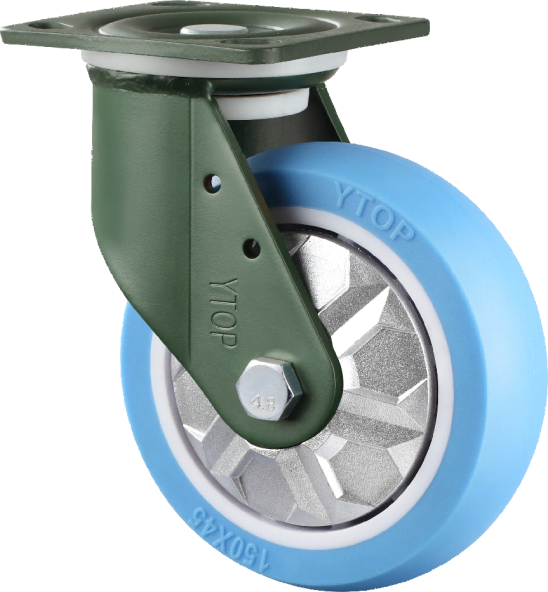
Why Material Identification Matters
Understanding caster wheel material is essential for several reasons. First, different materials have significantly different performance characteristics including load capacity, wear resistance, noise level, floor protection, chemical resistance, and temperature tolerance. Selecting the wrong material can lead to premature failure, reduced performance, safety hazards, and increased maintenance costs. Second, material directly impacts price, and being able to verify material helps ensure that you are getting what you pay for. Third, for critical applications, material verification is essential for quality control and safety compliance.
Many caster failures and performance issues result from using the wrong material for the application. For example, using nylon wheels on soft floors can cause floor damage, while using rubber wheels for heavy loads can lead to premature wear and deformation. Being able to identify wheel material helps ensure that the casters you purchase or use are appropriate for your specific application requirements.
Burning Test Method and Safety Precautions
The burning test involves carefully heating a small sample of the wheel material with a flame and observing the characteristics of the flame, odor, and ash residue. Different materials produce distinctly different burning characteristics that can be used for identification. When performing a burning test, it is essential to follow safety precautions including working in a well-ventilated area, using appropriate personal protective equipment (safety glasses, heat-resistant gloves), having a fire extinguisher or water source nearby, using only small samples, and never leaving the burning sample unattended.
To perform the test, carefully remove a small sample of material from the wheel (preferably from an inconspicuous area or from a spare wheel). Hold the sample with tweezers or pliers and carefully apply a flame from a lighter or torch. Observe the color and behavior of the flame, the odor produced, and the characteristics of any ash or residue left after burning. Compare these observations to the known characteristics of common caster materials to make an identification.
Polyurethane (PU) Burning Characteristics
Polyurethane (PU) is one of the most common caster wheel materials, prized for its excellent balance of load capacity, wear resistance, noise reduction, and floor protection. When burned, polyurethane typically produces a yellowish-blue flame with some sputtering. The odor is somewhat sweet or chemical, often described as similar to burning plastic with a slight sweet undertone. Polyurethane tends to melt and drip while burning, and the ash residue is typically a dark, sticky residue that hardens as it cools. The material may self-extinguish when the flame is removed, depending on the specific formulation and any flame retardant additives.
Polyurethane formulations can vary significantly, and different formulations may produce slightly different burning characteristics. Some polyurethane formulations may contain additives that affect burning behavior, including flame retardants, UV stabilizers, colorants, and processing aids. When identifying polyurethane, consider the overall combination of flame characteristics, odor, and residue rather than relying on a single characteristic. Polyurethane is often confused with rubber or TPR, but the burning characteristics are typically distinct enough for reliable identification with practice.
Rubber Burning Characteristics
Rubber is another common caster wheel material, valued for its excellent noise reduction, shock absorption, and floor protection properties. When burned, rubber produces a distinctive, strong odor that is often described as acrid, smoky, or similar to burning tires. The flame is typically yellow with significant black smoke, and the material may produce a sooty residue. Rubber tends to burn relatively slowly and may produce a sticky, tar-like residue. The odor of burning rubber is one of the most distinctive and easily recognizable characteristics, and most people can identify it from experience with burning tires or rubber products.
Natural rubber and synthetic rubber may produce slightly different burning characteristics, but both are generally recognizable by the distinctive rubber odor. Rubber wheels may contain various additives including carbon black (which gives rubber its characteristic black color), vulcanizing agents, accelerators, antioxidants, and fillers. These additives can affect burning characteristics, but the distinctive rubber odor typically remains recognizable. When identifying rubber, the odor is usually the most reliable characteristic, followed by the black smoke and sooty residue.
Nylon (PA) Burning Characteristics
Nylon (polyamide, PA) is a popular caster wheel material for heavy duty applications due to its exceptional load capacity, wear resistance, chemical resistance, and low rolling resistance. When burned, nylon typically produces a blue flame with a yellow tip and melts and drips significantly. The odor is often described as somewhat sweet or celery-like, and the material may produce small, hard beads of residue as the melted material cools. Nylon tends to burn relatively cleanly with less smoke than rubber or polyurethane, and the material may self-extinguish when the flame is removed, depending on the specific grade and any flame retardant additives.
Nylon is available in several grades including nylon 6, nylon 66, and glass-filled nylon, each with slightly different characteristics. Glass-filled nylon, which is commonly used for heavy duty caster wheels, may produce different burning characteristics due to the glass fiber content, including less melting and dripping and a more ash-like residue. When identifying nylon, the combination of blue flame, melting and dripping, sweet/celery odor, and hard bead residue is typically distinctive. Nylon is often confused with polypropylene, but the odor and residue characteristics are usually different enough for reliable identification.
Polypropylene (PP) and Other Common Materials
Polypropylene (PP) is sometimes used for caster wheel cores or as a tread material in light duty applications. When burned, polypropylene produces a blue flame with a yellow tip and melts and drips significantly. The odor is often described as sweet or waxy, similar to burning candle wax, and the residue is typically a clear or translucent bead that hardens as it cools. Polypropylene burns relatively cleanly with little smoke and continues to burn after the flame is removed. The waxy odor and clear bead residue are typically distinctive characteristics of polypropylene.
Other less common caster wheel materials include phenol (phenolic resin), which produces a strong, acrid odor and may produce a powdery ash; cast iron, which does not burn but may glow red when heated sufficiently; and steel, which also does not burn under normal conditions. TPR (thermoplastic rubber) produces characteristics similar to both rubber and polyurethane, with a softer, more elastic feel and burning characteristics that may be intermediate between rubber and PU. When identifying less common materials, it may be necessary to use additional identification methods beyond the burning test, including density testing, hardness testing, chemical resistance testing, or laboratory analysis.
Summary and Practical Identification Tips
The burning test is a practical and accessible method for identifying caster wheel materials in the field. By carefully observing the flame characteristics, odor, and residue produced when a small sample is burned, you can reliably identify most common caster wheel materials including polyurethane, rubber, nylon, and polypropylene. Key identification tips include: always perform the test in a well-ventilated area with appropriate safety precautions; use small samples and never leave burning material unattended; observe all three characteristics (flame, odor, residue) rather than relying on a single characteristic; compare your observations to known material characteristics; and when in doubt, use additional identification methods or consult with the manufacturer or a materials testing laboratory.
With practice, most people can learn to reliably identify common caster wheel materials using the burning test. This skill is valuable for purchasers, maintenance personnel, quality control professionals, and anyone who works with casters on a regular basis. By being able to verify wheel material, you can ensure that you are getting the right material for your application, verify product quality, and make informed decisions that contribute to safe and reliable caster performance.
Related Reading
Explore more caster material identification, quality control, and testing guides:
- How Many Types of Caster Materials Are There? — Learn about caster material types including identification characteristics for each material.
- How to Distinguish Between Good and Bad Casters? — Learn how to distinguish caster quality including material identification tips for informed purchasing.
- Single Wheel Material DIN Wear Test Analysis — Learn about DIN wear test analysis for caster wheel materials including material identification through testing.
- Application of Several Common Materials in Casters — Learn about common caster material applications including material identification characteristics.
- Always Say NO to Poor Quality Casters! — Learn why to avoid poor quality casters including material identification tips for quality verification.
Explore our complete range of quality-verified heavy-duty casters (150-610kg) and medium-duty casters (100-190kg) with clearly identified wheel materials, or contact our quality team for expert caster material identification and verification guidance.
Post time: Mar-04-2024