
What Is a Cart Made Of? A Guide to Cart and Trolley Materials
A cart looks simple from the outside: a flat platform, four wheels, a handle, and somewhere to put your load. But ask an engineer or a warehouse manager “do you know the material of the cart?” and the answer suddenly decides everything—how much it carries, how long it survives, how heavy it is to push, and how much it costs to own over years of service. The frame material is the foundation of every flatbed trolley, platform cart, service cart and warehouse handling vehicle.
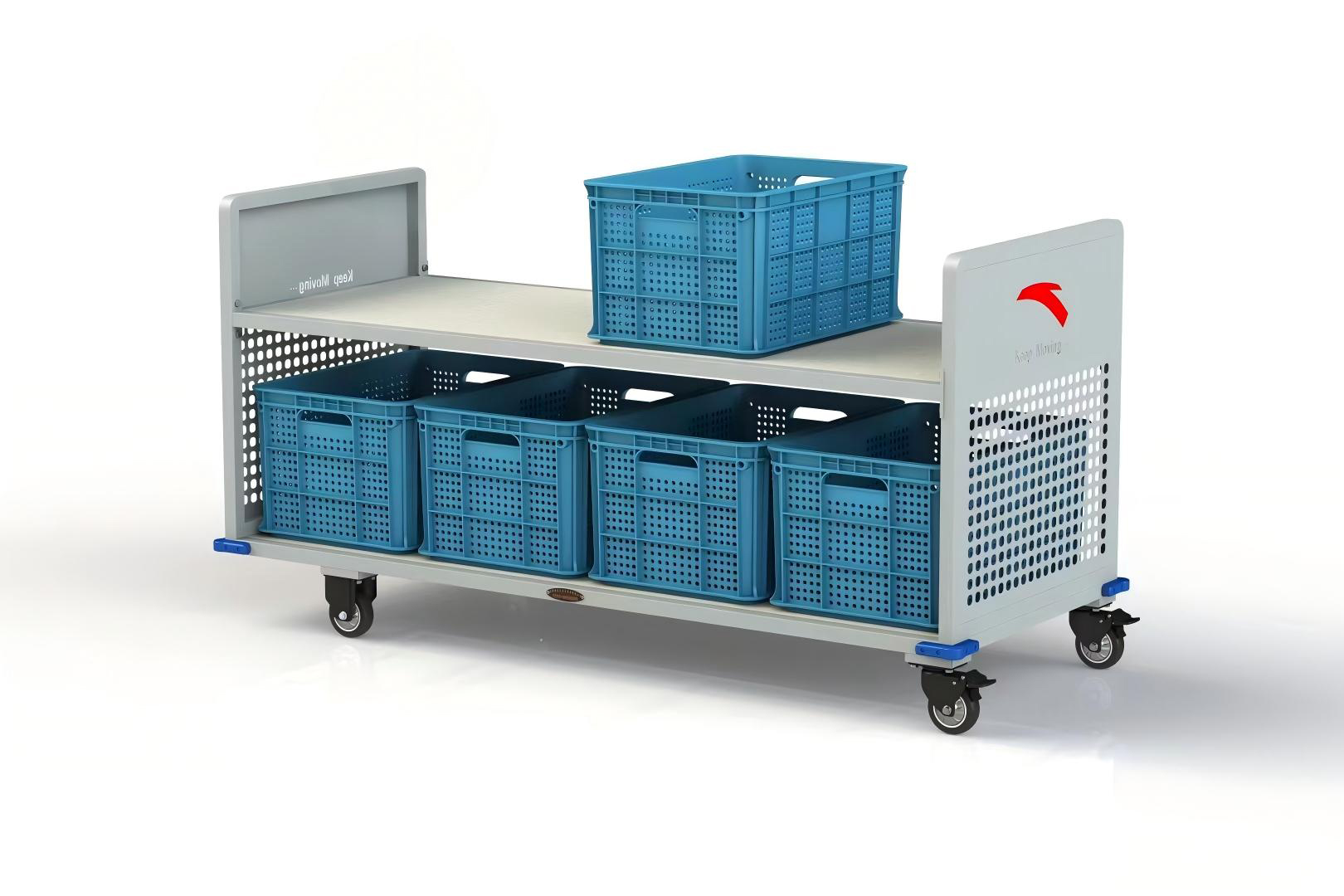
Carts today are built from four principal materials: aluminum alloy, steel (including stainless steel), plastic or resin, and wood. Each has its own sweet spot. Aluminum is light and tidy; steel is strong and unforgiving in the best sense; plastic is cheap, clean and corrosion-proof; wood is traditional but aging. Choosing among them is less about which material is “best” and more about matching the frame to the load, the environment and how often the cart actually moves. This guide walks through each material, how they compare, how to pair them with the right casters, and how to keep them working for years.
Why the Frame Material Matters More Than You Think
The frame does two jobs at once: it must stay rigid under load so the wheels track correctly, and it must survive the physical abuse of daily handling—bumps, scrapes, moisture, chemicals and temperature swings. A frame that flexes will misalign the casters, drag sideways, and wear its wheels unevenly. A frame that corrodes will suddenly fail after looking fine for years. So before you ever look at a price tag, the first decision is what the cart should be made to endure.
Aluminum Alloy Carts: Lightweight and Corrosion-Resistant
Aluminum alloy carts are the choice when a cart must be moved by hand, often, and by people who get tired. Aluminum is roughly one-third the weight of steel for comparable stiffness, which means a fully loaded aluminum cart feels dramatically easier to push and steer. It also naturally forms a protective oxide layer, so it resists rust and many chemicals without paint or powder coating. Aluminum machines cleanly and takes a smooth finish, which is why it often looks more refined than an industrial steel cart.
Best-Fit Applications for Aluminum
- Office and hospitality. Light serving trolleys, AV carts and housekeeping carts benefit from being easy to maneuver.
- Medical and laboratory. Non-rusting aluminum suits clean, hygienic environments where moisture and disinfectants are common.
- Light to medium loads. Aluminum is ideal where the operator pushes the cart repeatedly, but not where several hundred kilograms must ride on it.
The limitation is structural: pure aluminum is not as stiff as steel, so an aluminum cart trades some absolute load capacity for lightness. It is the wrong material if you need to stack a ton of steel tooling on a single platform. For more context on how load ratings are defined across caster and cart systems, see our guide on light, medium, heavy and extra-heavy load divisions.
Steel Carts: Strength, Durability and Load
Steel—whether carbon steel plate, tubular steel or stainless steel—is the workhorse material of industrial carts. Its defining trait is stiffness and strength for its cost. A steel platform cart can carry heavy, repeated, concentrated loads without deflecting, which is exactly what logistics, manufacturing and warehousing demand. Steel is also the easiest material to weld into rigid frames, mount brackets, reinforce corners and add accessories such as drawers, guardrails and brakes.
Corrosion Protection Is Non-Negotiable
The one caveat with carbon steel is that it rusts. A good steel cart is therefore never “bare steel”: it is powder-coated, painted, zinc-plated, or built from stainless steel for wet or corrosive settings. Plain carbon steel suits dry, indoor industrial floors. Stainless steel earns its cost in kitchens, chemical areas, pharmaceutical rooms and outdoor use. If you see a cheap uncoated steel cart in a damp environment, assume a short service life—corrosion, not load, will be what kills it.
- Logistics and distribution centers. Heavy platform carts and order-picking carts are almost always steel.
- Manufacturing and machine shops. Steel carts tolerate oils, swarf and point loads that would damage lighter frames.
- Heavy, repeated loads. When the cart must carry its rated load day after day, steel is the safe, proven answer.
Plastic and Resin Carts: Clean, Light and Economical
Plastic carts—usually high-impact copolymer resin, PP (polypropylene) or HDPE—have become ubiquitous in retail, grocery, warehouses and food service. They are molded as complete platforms, shelves and handles, which keeps unit cost low. Plastic will never rust, does not need painting, wipes clean in seconds, and resists the acids, salts and food residues that eat away at exposed metal.
Food, Retail and Hygiene Environments
Because plastic is non-porous and easy to sanitize, it is the default for food handling, hospitality and back-of-house trolleys. Its light weight is also a benefit for high-frequency retail restocking, where staff push carts all day. The trade-off is stiffness and temperature: plastic flexes more than steel, becomes brittle in extreme cold, and can creep or deform under very heavy, hot or long-term static loads. It is best treated as a light-to-medium duty, hygienic cart rather than a structural load platform.
- Retail and grocery. Nesting plastic carts and rolling racks are low-cost and easy to clean.
- Food and catering. Hygiene and wash-down compatibility decide it.
- General warehousing. Plastic shelf carts suit light parts and picking.
Wooden Carts: Traditional but Limited
Wood is the original cart material, and it still survives where cost and tradition outweigh performance. A wooden platform is quiet, easy on floors and cheap to build or repair on the shop floor. But wood absorbs moisture, delaminates, splinters, weakens when wet, harbors dirt and bacteria, and cannot match the load-to-weight ratio of steel or the hygiene of plastic. Today wooden carts are mostly a budget or niche option—suitable for occasional, light, dry use—rather than a serious long-term industrial solution. For a look at how carts evolved from wooden platforms to modern designs, read our article on the structural trends behind modern heavy-load carts.
Material Comparison Table
The table below condenses the four frame materials into the decision factors buyers actually compare. It is a starting point; your specific floor, load and environment should refine the choice.
| Material | Weight | Load Capacity | Durability | Corrosion Resistance | Relative Cost | Maintenance | Best-Suited Scenario |
|---|---|---|---|---|---|---|---|
| Aluminum alloy | Light | Low–Medium | Good | Excellent | Medium | Low | Office, medical, frequent hand-pushed light loads |
| Carbon steel (coated) | Heavy | High | Excellent | Good if coated | Low–Medium | Watch paint/chips | Warehousing, logistics, industrial heavy loads |
| Stainless steel | Heavy | High | Excellent | Excellent | High | Very low | Wet, food, chemical, outdoor |
| Plastic / resin (PP, HDPE) | Light | Low–Medium | Good (watch heat/cold) | Excellent | Low | Very low | Retail, food, hygiene, light picking |
| Wood | Medium | Low | Poor over time | Poor (absorbs water) | Very low | High | Occasional, light, dry use |
Matching the Frame to Load and Environment
Read the table by starting at the load column: heavy, repeated industrial loads point to steel. Then check the environment column: wet, food or chemical settings push you to stainless steel or plastic. Finally, ask how often a human pushes the cart—high-frequency pushing rewards the lightness of aluminum or plastic. Most bad cart purchases come from answering only one of these three questions.
Choosing Casters to Match the Cart Material
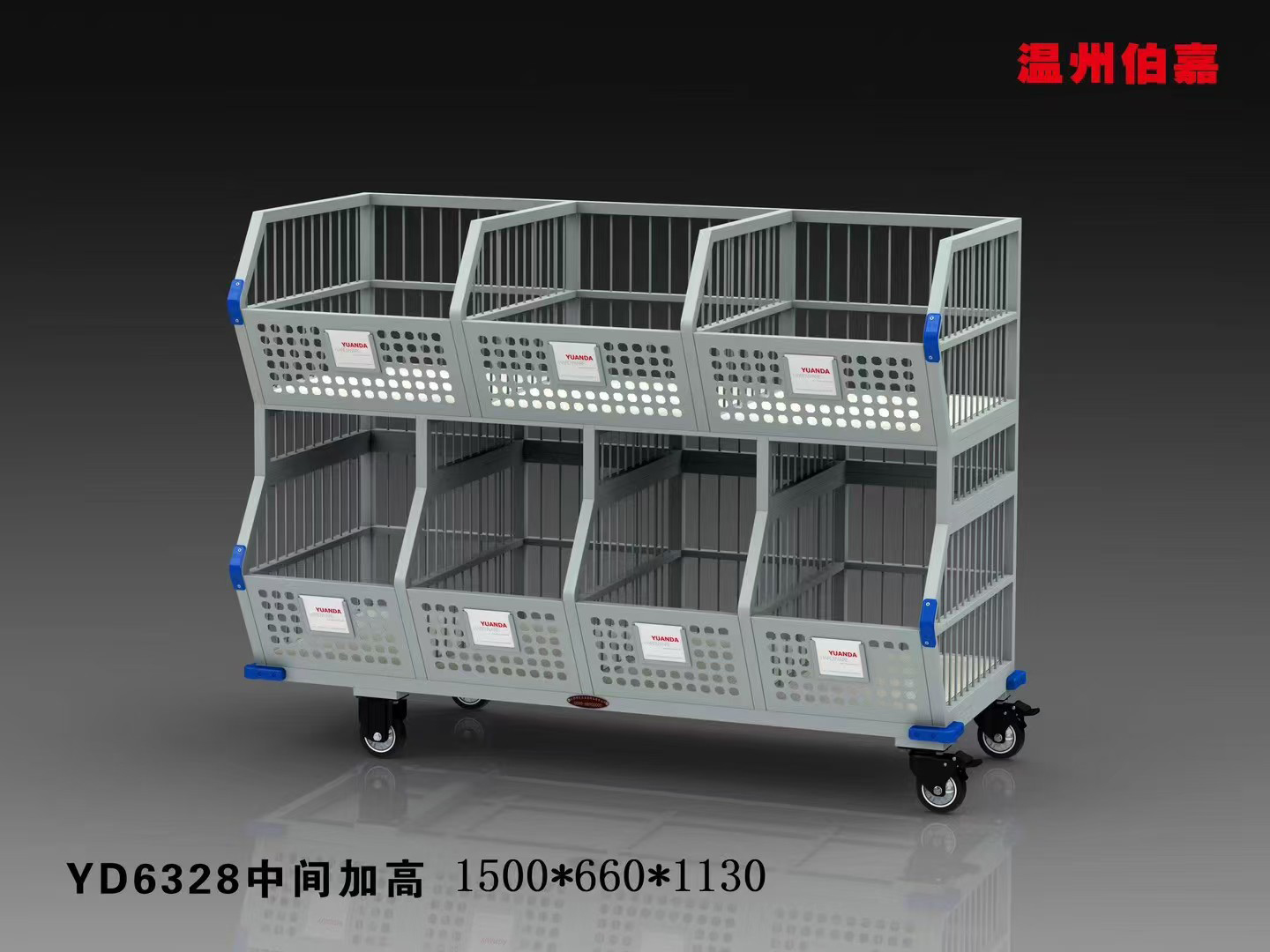
A cart is only as mobile as its wheels, and the caster material should be chosen to match both the frame and the floor. Rubber wheels are quiet and floor-friendly and pair well with plastic or aluminum service carts on indoor floors. Polyurethane (PU) wheels combine load capacity with cushioning and non-marking rolling—the standard upgrade for medical and office carts. Nylon (polyamide) wheels are hard, light and chemically resistant, ideal under steel industrial carts on smooth concrete. PP (polypropylene) wheels are a low-cost, light-duty option for retail and light plastic carts. The goal is balance: a heavy steel cart on tiny light-duty wheels will fail its casters, just as a delicate aluminum cart on rigid, noisy wheels will defeat its reason for being.
Cart Structure Design: Platform, Fold, Guardrails and Drawers
Beyond material, the cart’s form factor changes how you use it. A flat platform is the most versatile and load-efficient base. A foldable frame saves storage space but sacrifices a little rigidity. Carts with guardrails or side panels keep loose items from sliding off. Carts with drawers or shelves organize tools and parts but add weight and cost. Decide the structure after the material: a heavy steel frame can support drawers and rails; a light plastic or aluminum cart should stay as minimal as possible to preserve its lightness.
Selection Guide, Manufacturers and Maintenance
To choose a cart material with confidence, work through three checks. First, define the load: maximum weight per trip, how concentrated it is, and how often it repeats. Second, define the environment: indoor/outdoor, wet/dry, chemicals, temperature, and the type of floor. Third, define the user: how many times a day the cart is pushed, and whether operator comfort matters. Heavy repeated loads in dry industry—steel. Light frequent pushing in a clean room—aluminum. Hygienic, easy-clean retail or food duty—plastic. This framework scales from a single housekeeping trolley to a fleet of warehouse order pickers. Well-known international and domestic manufacturers all build around these same material families, so the brand is usually less important than whether the frame is correctly specified for your duty cycle.
Keeping Your Cart in Service
- Steel carts: touch up chipped paint and inspect for rust; keep bearing brackets clean and lubricated.
- Aluminum carts: check welds and hinge points; aluminum itself rarely corrodes but fasteners can.
- Plastic carts: avoid leaving them in extreme heat or cold, and watch for cracked shelves from overload.
- Wheels and casters: clean around wheels, check swivel play, and replace worn treads before they scratch the floor—see how to extend caster service life with proper use.
Selecting the right cart material is only half of building a reliable rolling station—the casters carry the decision the rest of the way. Whether you need light, medium, heavy or super-heavy duty wheels matched to an aluminum, steel or plastic frame, our team can specify a set that protects both the load and the floor. Contact YTOP Caster with your load and floor details for a tailored cart-and-caster configuration.
Frequently Asked Questions
What is the best material for a heavy-duty cart?
For heavy, repeated loads in industry and warehousing, coated carbon steel is the standard best choice because it is stiff, strong and cost-effective. For wet, chemical or food-heavy environments under heavy loads, stainless steel is worth the premium. Aluminum and plastic are better reserved for light-to-medium duty where weight matters more than raw load.
Which cart material is easiest to push?
Aluminum and plastic carts are the lightest frames, so they feel easiest to push when empty and under light loads. However, the effort to push a loaded cart depends as much on the casters as the frame—quiet, well-sized polyurethane or rubber wheels on a properly rated swivel bracket can make even a steel cart comfortable to maneuver.
Are plastic carts suitable for industrial use?
Plastic carts suit light-to-medium industrial and retail tasks, picking, and hygienic wash-down environments. They are not recommended for very heavy, hot or long-term static loads, where plastic can creep, deform or become brittle. For true heavy-duty industrial loads, steel remains the safer frame material.
How do I choose casters to match my cart?
Match the caster’s load rating to the cart’s total load divided by the number of wheels, choose a wheel material that fits the floor (nylon for smooth industrial concrete, polyurethane or rubber for quiet and floor-sensitive surfaces, PP for light retail duty), and use swivel wheels on the front for steering. Overloading the wheels is the most common cause of premature caster failure.
How long should a good cart last?
A well-matched steel cart in dry industrial service can last many years; aluminum and stainless carts even longer in the right conditions; plastic carts several years for light duty; wooden carts the shortest. The biggest factor is correct material selection plus routine cleaning, lubrication and timely caster replacement, not the initial purchase price.
Related Reading
News & Guides
- How to Properly Use Industrial Casters to Extend Service Life
- How Industrial Caster Loads Are Graded: Light, Medium, Heavy and Extra-Heavy
- How to Calculate Industrial Caster Load Capacity: Dynamic vs Static Load
- Advantages of Dual-Wheel Structure for Ultra-Heavy-Load Casters
- Core Parameters to Confirm in Industrial Caster Selection
Product Pages
Get in Touch
Post time: Feb-22-2025