
Casters are indispensable components in industrial and commercial environments, and they are used in a wide range of equipment and machines, from tool carts to medical equipment. There are many different types of casters, categorized according to different criteria. So how are casters categorized?
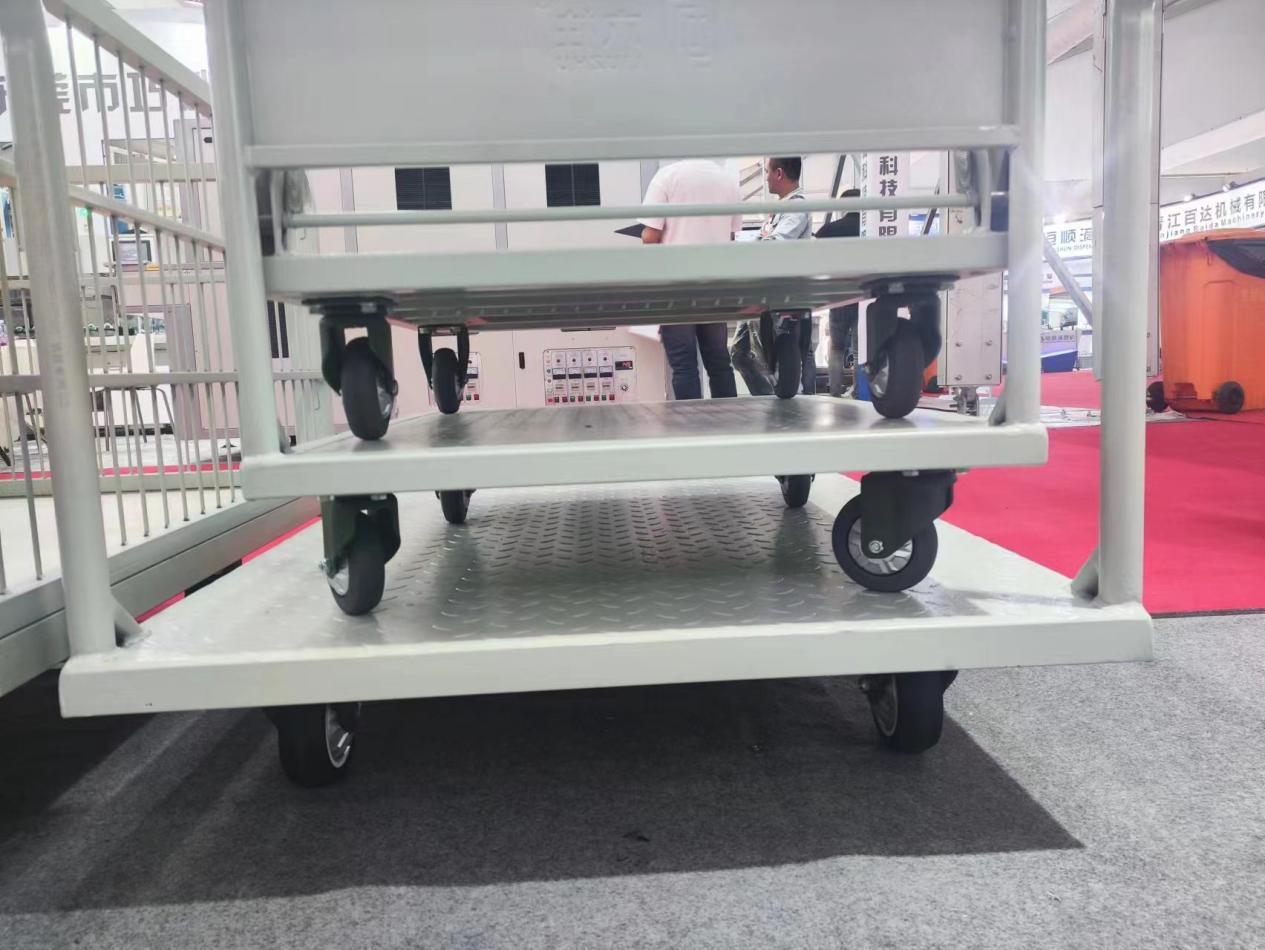
Classification by Application Industry
Casters are mainly categorized into industrial casters, household casters, medical casters, and supermarket casters according to the application industry.
Industrial casters are mainly used in factories or mechanical equipment, a caster product, it can choose to use high-level imported reinforced nylon, super polyurethane, rubber made of a single wheel, the product as a whole has a high degree of impact resistance and strength.
Furniture casters are mainly to adapt to the need for low center of gravity, high load bearing furniture needs and the production of a class of special casters.
Medical casters to adapt to the requirements of the hospital running light, flexible steering, elasticity, special ultra-quiet, wear-resistant, anti-tangling and chemical corrosion resistance and other characteristics.
Supermarket casters to adapt to the movement of supermarket shelves and shopping carts need to be lightweight and flexible characteristics of the casters developed specifically.
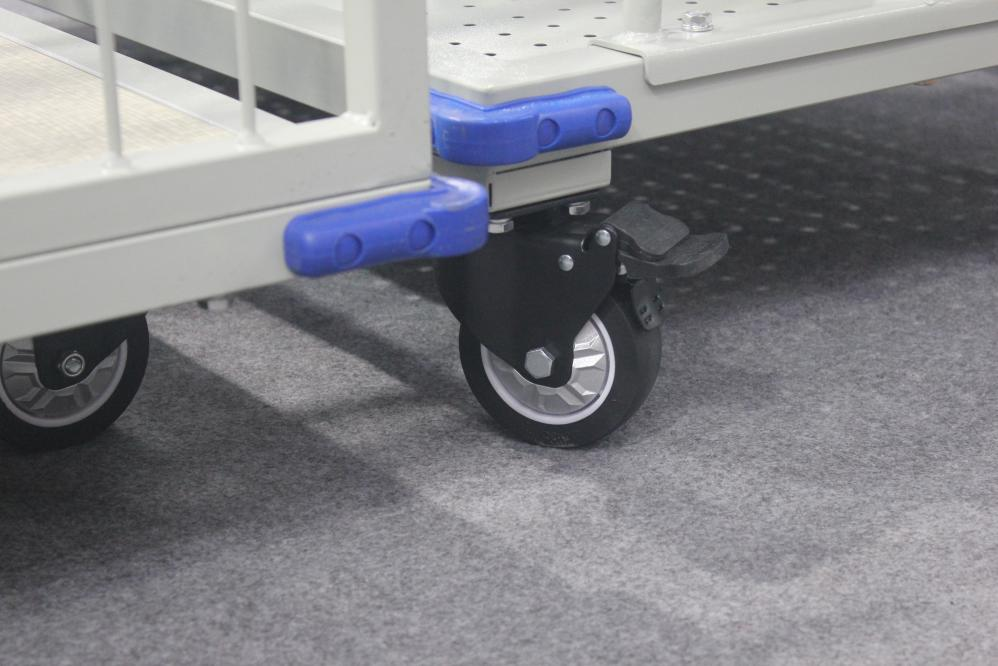
Classification by Material
Casters are also categorized according to their materials. Common materials include polypropylene, rubber, polyurethane and nylon. Each material has its own unique characteristics and can be used to meet different needs. For example, polypropylene casters are usually lightweight and durable, while nylon casters can withstand greater weight and pressure.
Classification by Construction
Casters can also be categorized based on their construction. Common configurations include fixed casters, universal casters and brake casters. Fixed casters can only move in one direction, while universal casters can move freely in any direction, and brake casters add the function of caster brakes on the basis of universal casters.

Classification by Load Capacity
According to their load capacity, casters can also be categorized into light, medium and heavy duty. Light duty casters are suitable for light equipment and goods, while heavy duty casters are suitable for carrying equipment and goods of greater weight.
Related Reading
Explore more caster classification, structure, and selection guides:
- Analysis of the Structure and Characteristics of Industrial Casters — Learn about industrial caster structure and characteristics including classification criteria.
- Caster Popularization: Fixed Wheel, Movable Wheel, Brake Wheel Difference — Learn about caster type differences including classification by wheel type and application.
- How Many Types of Caster Materials Are There? — Learn about caster material types including classification by material criteria.
- Caster Application Knowledge Encyclopedia — Learn about caster application knowledge including classification by application industry.
- Casters Buying Guide: Find the Right Wheel for You — Complete caster buying guide including classification by different criteria for informed selection.
Explore our complete range of classified heavy-duty casters (150-610kg) and medium-duty casters (100-190kg) across all categories, or contact our sales team for expert caster classification and selection guidance.
Post time: May-08-2024