
Before replacing casters, the first dimension most people measure is how high the wheel is. But overall height is not a casual measurement — it ties directly to installation height, bracket structure, and the equipment’s center of gravity. Choose it wrong and the equipment ends up too high or too low, or simply cannot be installed at all. Selecting caster overall height is fundamentally about matching installation dimensions to equipment needs.
Overall Height Is Not the Same as Wheel Diameter
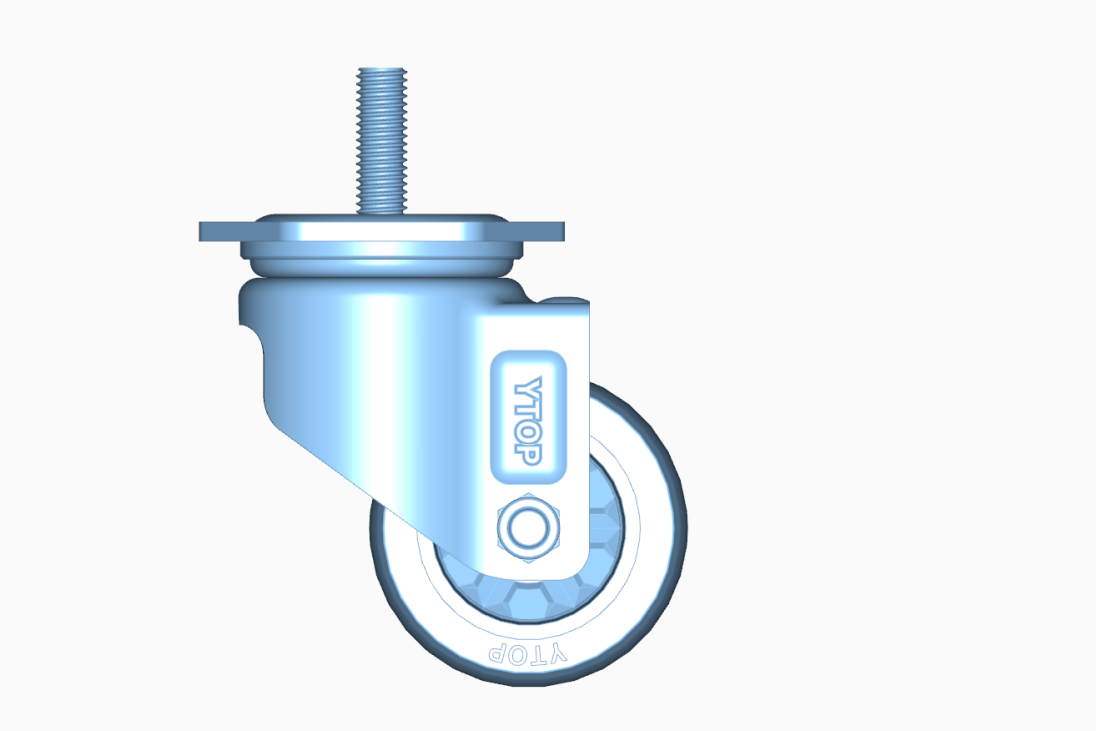
First, clarify the concept. Caster overall height is the vertical distance from the mounting plane — top plate or stem end — to the wheel contact point on the floor; it is not the wheel diameter itself. Some buyers assume an 8-inch wheel is 8 inches high, which is a common misunderstanding. With the same wheel diameter, different bracket structures and different mounting methods produce noticeably different overall heights. An 8-inch wheel, once the bracket height is added, usually totals higher than 8 inches, because the bracket structure counts toward the overall height.
The practical consequence is simple: when you report equipment height data to a manufacturer, report the overall height, not the wheel diameter. Reporting wheel diameter alone can lead to a caster that matches the wheel spec but leaves the equipment either too high or too low after installation.
Overall Height Is the Sum of Three Parts
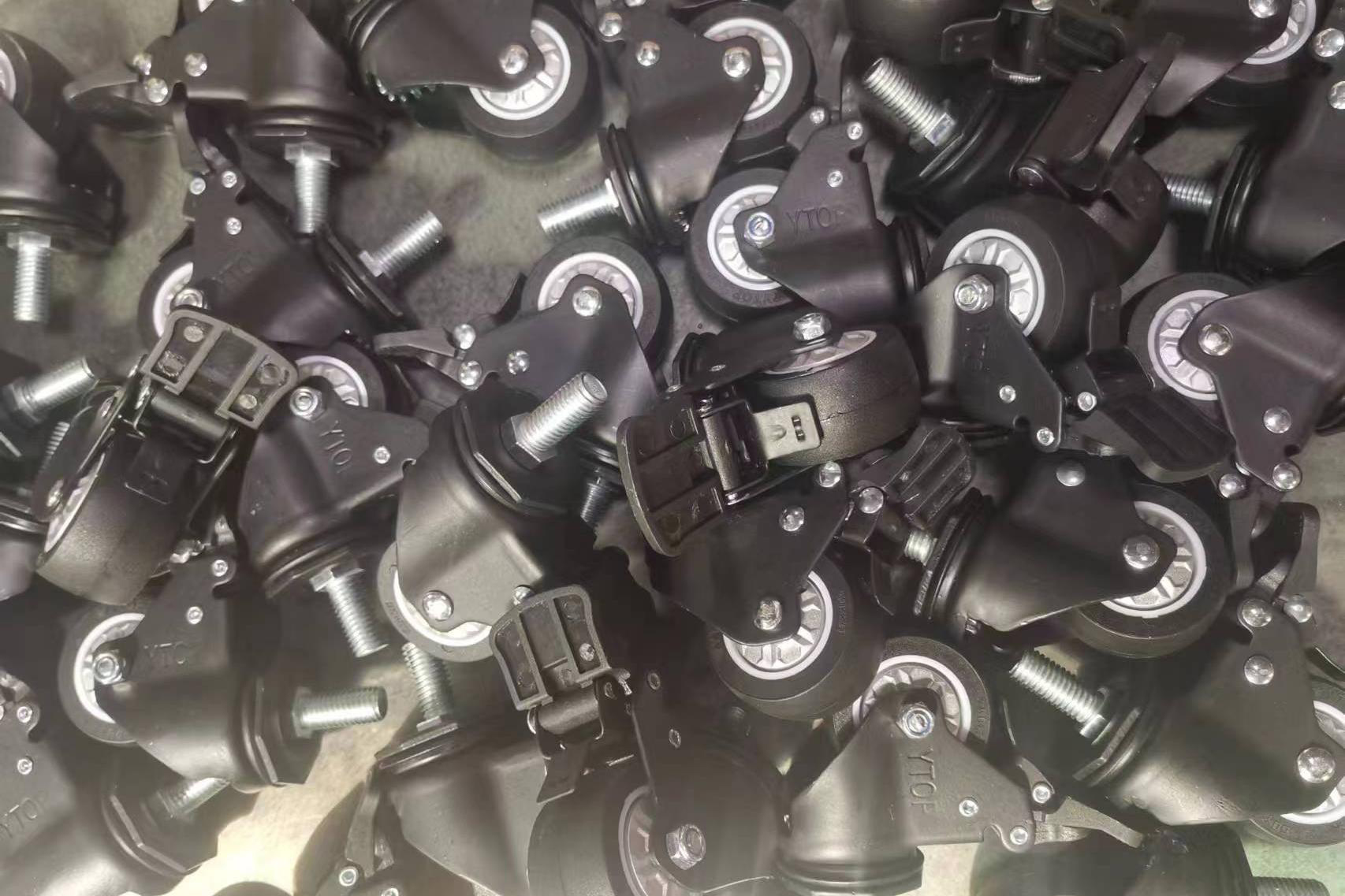
Overall height is the stack-up of roughly three parts:
- Wheel diameter — the foundation of overall height and the first number to confirm.
- Bracket height — the structural height from the top plate down to the axle, which varies by bracket form.
- Mounting method — plate, threaded stem, or plug-in stem each occupy a different vertical footprint.
With the same wheel diameter, a heavy-load bracket is built thicker, and the overall height rises correspondingly. This is the natural cost of load and structure: to keep overall height low, the bracket must be designed compactly while holding the load rating. Light-load casters on thin brackets can be surprisingly short, while heavy-load casters on reinforced brackets run taller even at the same wheel diameter. Keep this trade-off in mind when comparing specs, or a height target can be missed even with the right wheel diameter. When space is tight, compact low-profile or low-center-of-gravity casters are the engineering answer — they shorten the bracket structure rather than shrinking the wheel, which preserves load capacity without sacrificing height.
Three Hard Constraints on Overall Height
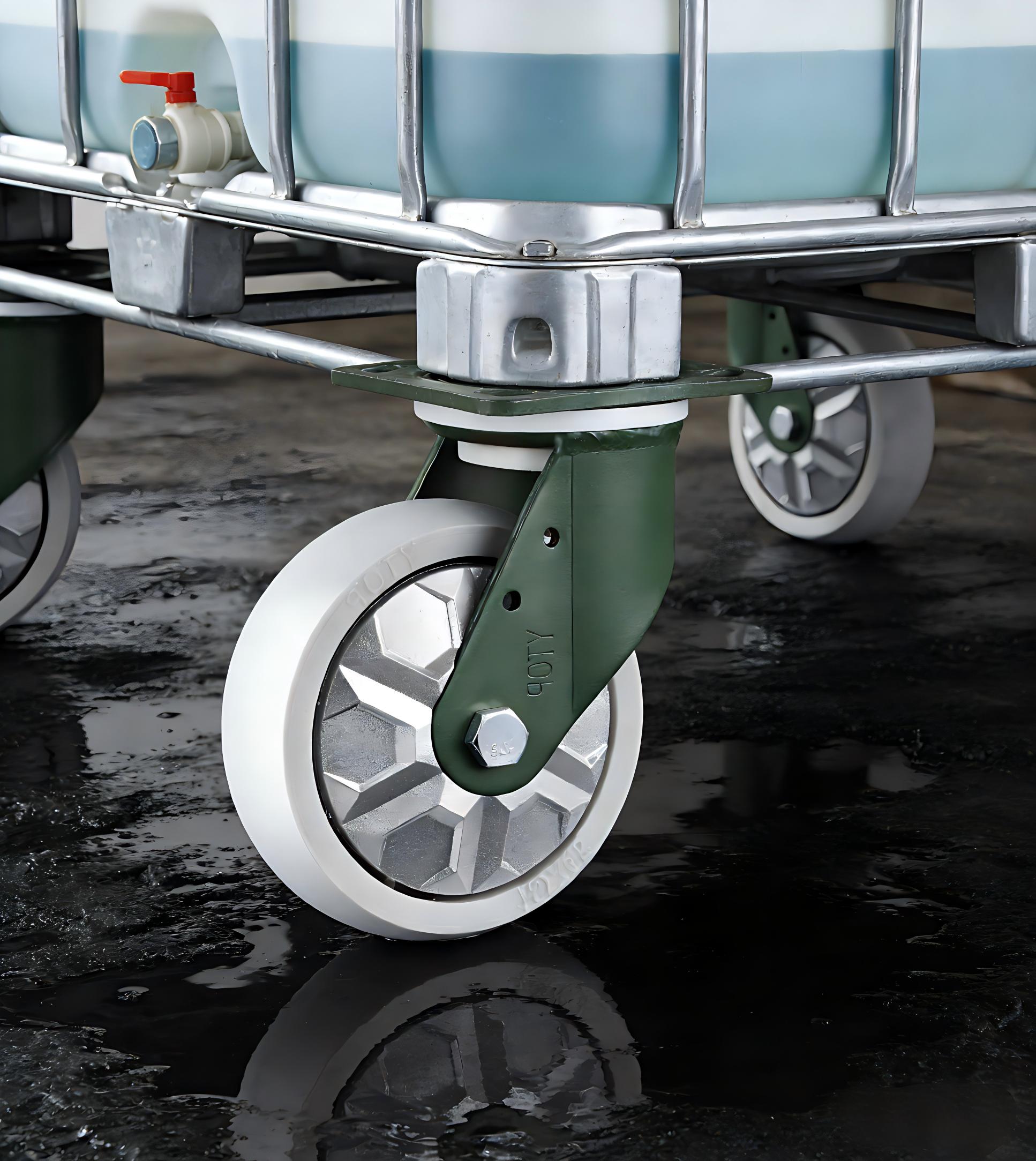
Overall height is not a free choice; it is bounded by three constraints. First, installation height space: the reserved mounting height under the equipment must be enough for the caster. Too high and it cannot be installed; too low and the equipment sits in the wrong posture. Second, the equipment’s overall height budget: after the wheel change the total height of the equipment shifts, and both operating height and pass-through height — doorways, conveyor infeed, headroom — must still be met. Third, center-of-gravity stability: as overall height rises, the equipment’s center of gravity rises with it, which changes stability and push smoothness. Heavy-load and high-center-of-gravity equipment are especially sensitive to this.
These constraints interact. A caster that fits the mounting space may still push the equipment through a doorway at the wrong height, or raise the center of gravity enough to make a loaded cart feel tippy. Work through all three before settling on a value. A common mistake is optimizing only for the mounting height: the caster bolts in cleanly, yet the equipment sits 15 millimeters higher than before, the worktop no longer matches the ergonomic height planned for operators, and the loaded cart wobbles more than it used to. None of these problems shows up on the wheel spec — they only appear after installation, which is why the height budget deserves the same attention as the load rating.
Measure Three Numbers Before Replacement, Then Verify Height Afterward
Before replacing wheels, measure three numbers clearly: the existing height from the equipment’s mounting position to the floor, to set the overall height budget; the equipment’s bottom structure, to confirm whether the mounting method is plate, threaded stem, or plug-in stem; and the existing wheel’s overall height, as the replacement baseline — keeping new and old heights consistent is the most stable option. Report these three to the manufacturer and selection will not go off track.
After installing new wheels, do not skip height verification. Check whether the four corner heights are consistent — every caster must share the same overall height, otherwise the equipment tilts. Check whether the overall height still meets operating and pass-through requirements. And check whether the equipment posture stays stable when the brakes are locked and parked. YTOP Manganese Steel Casters designs its specifications and installation dimensions around common industrial standards — top plate sizes, mounting hole spacing, and threaded stem specifications cover mainstream installation needs. The matching logic is to confirm wheel diameter and load grade first, then select the bracket form against the required overall height, keeping total height within the equipment’s budget. Even a one-centimeter mismatch on old-wheel replacement shifts worktop height and disturbs workstation ergonomics — verify the numbers, not the assumptions.
Related Reading
Looking for more in-depth caster guides and industrial mobility resources? Explore these related articles:
- Removal and Installation Guide — Step-by-step guide for safely replacing universal wheels without damaging mounting hardware.
- 10 Core Parameters — Essential parameters including overall height for proper caster installation.
- What Is a Universal Wheel? — Main applications of swivel caster wheels and where they are commonly used.
- How to Calculate Load Capacity — Dynamic vs. static load ratings to match with overall height selection.
Explore our complete range of heavy-duty casters (150-610kg) and super heavy-duty casters (700-1600kg) for diverse industrial applications, or contact our engineering team for expert caster application knowledge and selection guidance.
Post time: Oct-22-2026