
Handcart, as an indispensable tool in logistics and transportation, its performance and applications often depend on the materials used. Handcarts made from different materials each possess their own unique advantages and suitable applications. Selecting the appropriate material for hand trucks is crucial for ensuring optimal performance, durability, and value in specific working environments. This article provides a comprehensive analysis of hand trucks made from different materials, examining their characteristics, advantages, limitations, and typical applications to help purchasers make informed decisions.
Introduction to Hand Truck Materials
Hand trucks, also known as trolleys, carts, or dollies, are essential material handling tools used in a wide range of industries including logistics, warehousing, manufacturing, retail, healthcare, and construction. The performance, durability, weight, corrosion resistance, and cost of a hand truck are largely determined by the materials used in its construction. Different materials offer distinct combinations of properties that make them suitable for specific applications and operating environments. Understanding the characteristics of different hand truck materials is essential for selecting the right hand truck for your specific needs, ensuring that it provides reliable performance and good value over its service life.
The primary materials used in hand truck construction include steel, aluminum, stainless steel, plastic, and wood, each with its own unique set of properties, advantages, and limitations. Steel is the most common material for heavy-duty hand trucks, offering high strength and load capacity at a reasonable cost. Aluminum is popular for medium-duty applications where weight reduction is important. Stainless steel is used for corrosive or cleanroom environments. Plastic is used for light-duty applications and specialized environments. Wood is used for specific traditional or specialty applications. In addition to the primary structural material, hand trucks may use various other materials for components such as wheels (polyurethane, nylon, rubber, steel), handles (plastic, rubber, foam grips), and fasteners (steel, stainless steel, zinc-plated steel). In this article, we will analyze the most common hand truck materials in detail, examining their key characteristics, advantages, limitations, and typical applications to help purchasers and users make informed decisions about hand truck material selection.

Steel Hand Trucks: The Heavy-Duty Workhorse
Standard Steel vs. Heavy-Duty Steel Construction
Steel is the most common and widely used material for hand truck construction, particularly for heavy-duty and industrial applications. Steel hand trucks offer exceptional strength, high load capacity, excellent durability, and reasonable cost, making them the workhorse of material handling in many industries. Steel hand trucks are typically constructed from steel tubing (for the frame and handles) and steel sheet or plate (for the platform or load bed), with steel or cast iron wheels and heavy-duty casters. They are available in various configurations including platform trucks, utility carts, shelf carts, drum carts, and specialty carts, with load capacities ranging from a few hundred kilograms to several thousand kilograms.
The key advantages of steel hand trucks include: high load capacity, making them suitable for the heaviest material handling applications; excellent durability and impact resistance, allowing them to withstand rough use and harsh industrial environments; good structural rigidity, providing stable support for heavy loads; reasonable cost, offering excellent value for heavy-duty applications; wide availability in various sizes, configurations, and load capacities; and ease of repair and modification, with steel components readily available and easily welded or repaired. The main limitations of steel hand trucks include: significant weight, making them heavier and more difficult to maneuver than aluminum or plastic carts, particularly when empty; susceptibility to corrosion and rust, requiring protective finishes such as powder coating, paint, or galvanizing, and making them unsuitable for wet or corrosive environments without proper protection; and potential for sharp edges or burrs if not properly finished, requiring careful manufacturing and quality control. Steel hand trucks are ideal for heavy-duty industrial applications including manufacturing facilities, warehouses, distribution centers, construction sites, automotive plants, and other environments where heavy loads need to be moved and where durability and load capacity are more important than weight reduction or corrosion resistance. They are also commonly used for tow-line applications and other heavy material handling systems where their exceptional strength and durability are essential. For most heavy-duty industrial material handling applications, steel hand trucks offer the best combination of strength, durability, load capacity, and cost-effectiveness, making them the preferred choice for the most demanding material handling tasks.
Aluminum Hand Trucks: Lightweight and Corrosion-Resistant
Weight-to-Capacity Ratio Advantages
Aluminum is the second most common material for hand truck construction, popular for medium-duty applications where weight reduction and corrosion resistance are important. Aluminum hand trucks offer a high strength-to-weight ratio, good corrosion resistance, and attractive appearance, making them significantly lighter than steel hand trucks while still providing adequate strength for many medium-duty applications. Aluminum hand trucks are typically constructed from aluminum tubing (for the frame and handles) and aluminum sheet or plate (for the platform or load bed), with polyurethane or nylon wheels and casters. They are available in various configurations including platform trucks, utility carts, shelf carts, and service carts, with load capacities typically ranging from 100 to 500 kilograms, although some heavy-duty aluminum designs can support higher loads.
The key advantages of aluminum hand trucks include: significant weight reduction, typically 30-50% lighter than equivalent steel hand trucks, making them much easier to maneuver, particularly when empty or when the cart needs to be lifted or transported; good corrosion resistance, allowing them to be used in damp, humid, or mildly corrosive environments without rusting; attractive appearance, with a clean, modern look that is suitable for public-facing environments such as retail stores, hotels, hospitals, and office buildings; good thermal conductivity, which can be beneficial for certain applications; and non-sparking properties, making them suitable for certain hazardous environments. The main limitations of aluminum hand trucks include: lower load capacity compared to steel, making them generally unsuitable for the heaviest industrial applications; higher cost than steel, with aluminum hand trucks typically costing 2-3 times more than equivalent steel hand trucks; lower impact resistance and rigidity compared to steel, making them more susceptible to denting or deformation under heavy impacts or overloading; and more difficult repair, with aluminum welding requiring specialized equipment and expertise compared to steel welding. Aluminum hand trucks are ideal for medium-duty applications where weight reduction is important, including: retail and commercial environments (for stocking, merchandise handling, and customer service); hospitality and food service (for catering, room service, and food transport); healthcare and medical facilities (for linen carts, meal carts, and equipment transport); office and institutional environments (for mail carts, file transport, and office supply handling); and applications where the cart needs to be frequently lifted, loaded into vehicles, or transported between locations. They are also popular for outdoor use and in marine environments due to their corrosion resistance. For medium-duty applications where weight reduction, corrosion resistance, and appearance are important, aluminum hand trucks offer an excellent combination of properties that make them a popular and effective choice.
Stainless Steel Hand Trucks: For Corrosive and Cleanroom Environments
Food and Pharmaceutical Industry Requirements
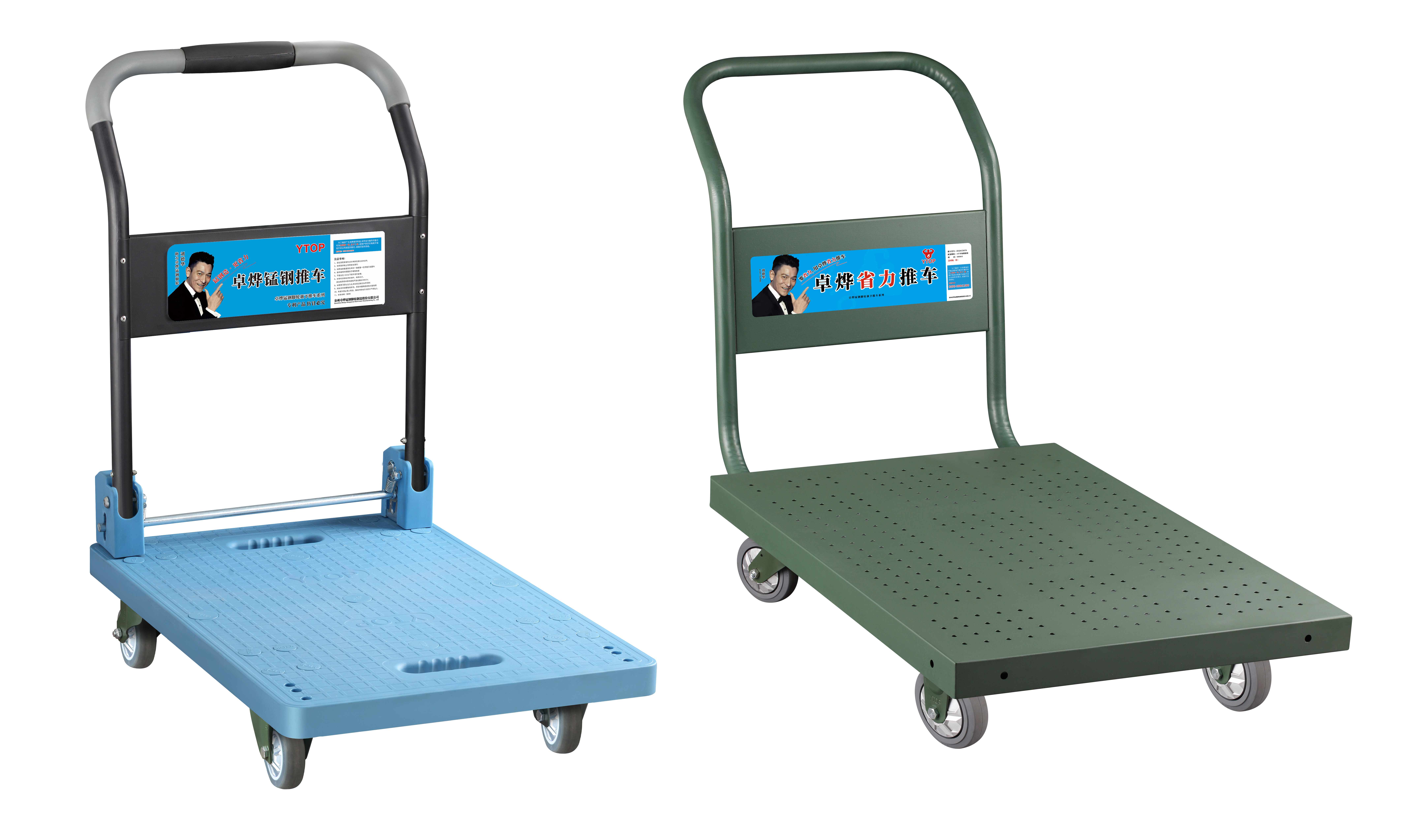
Stainless steel is a specialized material used for hand trucks in applications requiring exceptional corrosion resistance, cleanability, and hygiene. Stainless steel hand trucks offer superior corrosion resistance compared to both steel and aluminum, making them suitable for the most demanding corrosive environments and for applications requiring strict hygiene standards. Stainless steel hand trucks are typically constructed from stainless steel tubing and sheet, with stainless steel or polyurethane wheels and casters, and with all fasteners and hardware also made from stainless steel to ensure complete corrosion resistance. They are available in various configurations including platform trucks, utility carts, shelf carts, and specialty carts, with load capacities comparable to steel hand trucks.
The key advantages of stainless steel hand trucks include: exceptional corrosion resistance, with the ability to withstand exposure to water, moisture, chemicals, salt, and other corrosive substances without rusting or degrading; excellent cleanability and hygiene, with smooth, non-porous surfaces that are easy to clean and sanitize, making them suitable for food processing, pharmaceutical, and medical applications; high strength and load capacity comparable to steel; excellent durability and long service life, with the ability to withstand harsh environments and frequent cleaning; and attractive, professional appearance with a clean, polished finish. The main limitations of stainless steel hand trucks include: significantly higher cost, typically 3-5 times more expensive than equivalent steel hand trucks and 2-3 times more expensive than aluminum, making them a significant investment; significant weight, comparable to steel and heavier than aluminum; and lower availability in standard configurations, with many stainless steel hand trucks being custom or semi-custom orders with longer lead times. There are several grades of stainless steel used in hand truck construction, with 304 stainless steel being the most common (offering good corrosion resistance for most applications) and 316 stainless steel being used for more demanding corrosive environments (such as marine, chemical, or highly acidic environments, offering superior corrosion resistance particularly against chlorides). Stainless steel hand trucks are essential for applications including: food and beverage processing and packaging (where frequent washdown with water and chemicals is required); pharmaceutical and biotech manufacturing (where strict hygiene and cleanroom standards must be met); medical and healthcare facilities (where equipment must be easily sanitized); marine and offshore applications (where exposure to saltwater and salt air is common); chemical processing and handling (where exposure to corrosive chemicals is likely); and any application where the hand truck will be exposed to moisture, chemicals, or corrosive environments that would cause steel to rust or aluminum to corrode. For these demanding applications, stainless steel hand trucks are the only viable option, and their higher cost is justified by their exceptional corrosion resistance, cleanability, durability, and long service life in environments where other materials would quickly degrade.
Plastic Hand Trucks: Lightweight, Low-Maintenance, and Specialized
Medical and Hospitality Applications
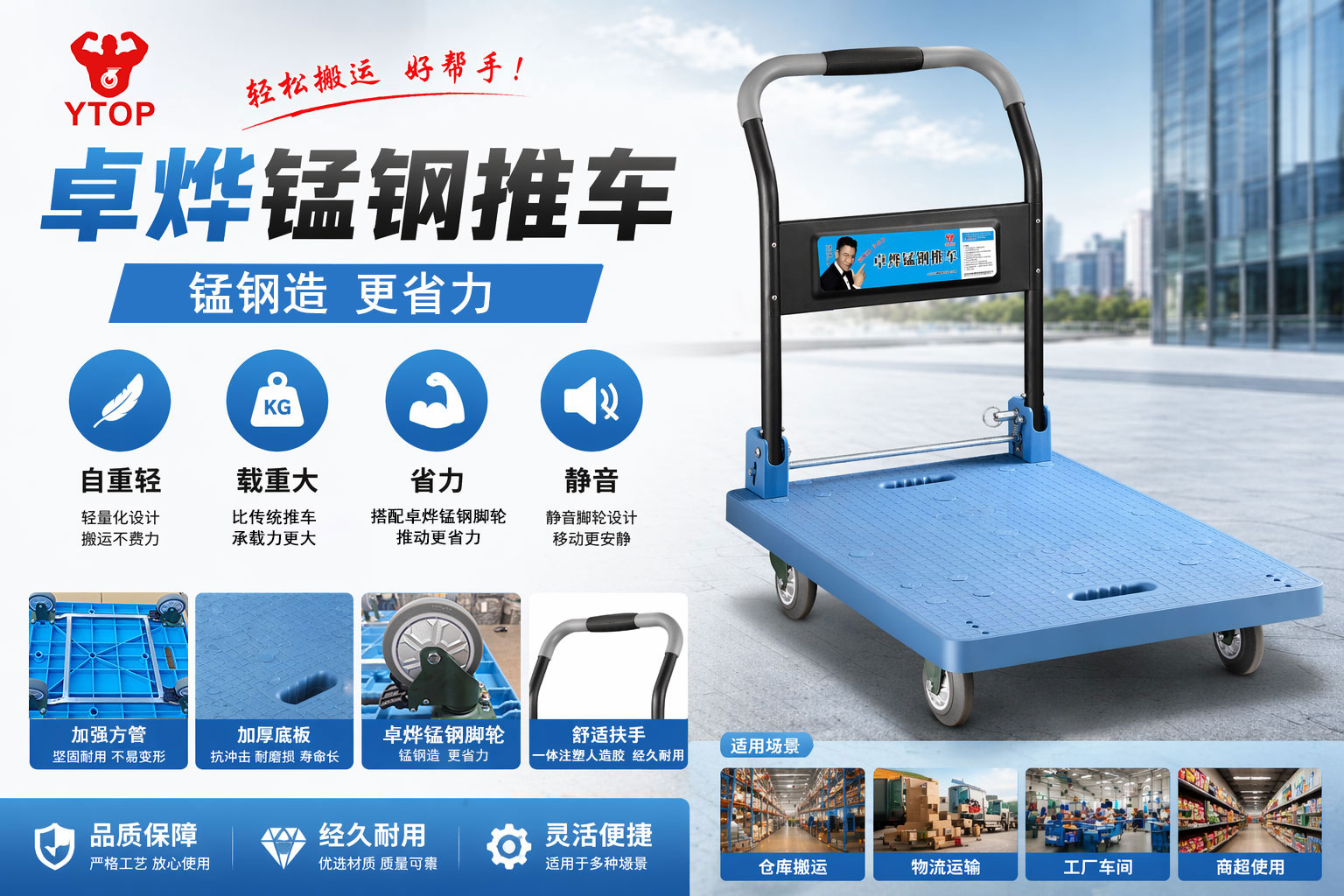
Plastic is a material used for hand trucks in light-duty and specialized applications where its unique properties offer advantages. Plastic hand trucks are typically constructed from injection-molded plastic (often polypropylene, polyethylene, or structural foam) for the frame and platform, with plastic or polyurethane wheels and casters. They are available in various configurations including platform trucks, utility carts, shelf carts, and specialty carts, with load capacities typically ranging from 50 to 300 kilograms, making them suitable for light to medium-duty applications.
The key advantages of plastic hand trucks include: very lightweight, often lighter than aluminum and significantly lighter than steel, making them extremely easy to maneuver and transport; excellent corrosion resistance, with the ability to withstand exposure to water, moisture, and many chemicals without degradation; low maintenance, with no need for painting, plating, or other protective finishes, and with surfaces that are easy to clean; non-marking and non-scratching, making them suitable for use on delicate floor surfaces; good impact resistance (for certain plastic formulations), with the ability to absorb impacts without denting or deforming; wide range of colors, allowing for color-coding or matching with facility aesthetics; and relatively low cost for light-duty applications. The main limitations of plastic hand trucks include: limited load capacity compared to steel or aluminum, making them unsuitable for heavy-duty applications; lower structural rigidity, with some flexing or deflection under heavy loads; potential for degradation under prolonged UV exposure (for certain plastic formulations), making them less suitable for long-term outdoor use; limited temperature range, with some plastics becoming brittle in very cold temperatures or softening in very hot temperatures; and potential for scratching or scuffing of the plastic surface, which can affect appearance over time. Plastic hand trucks are ideal for light-duty and specialized applications including: office and administrative environments (for mail carts, file transport, and office supply handling); educational institutions (for library carts, classroom equipment, and supply transport); healthcare facilities (for linen carts, meal carts, and non-critical equipment transport); retail and commercial environments (for stocking, merchandise handling, and customer service); food service and hospitality (for lightweight transport of food, dishes, and supplies); and cleanroom and laboratory environments (where non-porous, easy-to-clean surfaces are beneficial). They are also popular for use in environments where corrosion resistance is important but load requirements are light, such as swimming pool facilities, spas, and aquatic centers. For light-duty applications where lightweight, low maintenance, corrosion resistance, and affordability are important, plastic hand trucks offer an excellent solution that provides reliable performance at a reasonable cost.
Wooden Hand Trucks: Traditional and Specialty Applications
Wood is a traditional material used for hand trucks in specific applications where its unique properties offer advantages. Wooden hand trucks, also known as wood carts or dollies, are typically constructed from solid wood (often hardwood such as oak, maple, or beech) or plywood for the platform and load bed, with wood or metal framing and with various wheel types including rubber, polyurethane, or steel. They are available in various configurations including platform trucks, dollies, furniture movers, and specialty carts, with load capacities ranging from light to heavy depending on the construction.
The key advantages of wooden hand trucks include: natural, attractive appearance with a warm, traditional look that is suitable for certain environments; good shock absorption and vibration damping, with wood naturally absorbing vibrations and impacts better than metal; non-slip surface, with wood providing a naturally textured surface that helps prevent loads from sliding; good load distribution, with wood platforms distributing loads evenly across the surface; repairability, with wooden components relatively easy to repair or replace; and sustainability, with wood being a renewable resource when sourced responsibly. The main limitations of wooden hand trucks include: susceptibility to moisture damage, with wood warping, rotting, or degrading when exposed to water or high humidity; higher maintenance requirements, with wood needing regular sealing, varnishing, or painting to protect it from moisture and wear; potential for splintering or cracking, particularly under heavy loads or impacts; limited availability in standard configurations, with many wooden hand trucks being custom or specialty products; and weight, with solid wood carts being relatively heavy compared to aluminum or plastic. Wooden hand trucks are primarily used in specialty and traditional applications including: furniture moving and storage (where wood platforms provide a soft, non-scratching surface for furniture); appliance and electronics delivery (where wood provides good shock absorption and a non-slip surface); retail display and merchandising (where the natural appearance of wood is aesthetically appealing); hospitality and food service (for bread carts, produce displays, and specialty transport); and traditional or heritage environments where the appearance of wood is preferred. They are also commonly used as furniture dollies and piano movers, where their combination of strength, shock absorption, and non-scratching surface is particularly valuable. While wood is no longer a common material for general-purpose industrial hand trucks due to its moisture sensitivity and maintenance requirements, it continues to play an important role in specialty applications where its unique combination of properties offers advantages that cannot be easily replicated by other materials.
Material Selection Guide and Conclusion
Selecting the right material for a hand truck requires careful consideration of the specific application requirements, operating environment, load capacity needs, and budget constraints. The key factors to consider when selecting hand truck materials include: load capacity requirements (determining the required strength of the material, with steel and stainless steel offering the highest load capacities, aluminum offering medium load capacity, and plastic offering light load capacity); weight and maneuverability requirements (with plastic and aluminum being the lightest, steel and stainless steel being heavier); operating environment (including moisture, chemicals, temperature, UV exposure, and cleanliness requirements, all of which affect material selection); maintenance requirements (with plastic and stainless steel requiring the least maintenance, steel requiring protective finishes and periodic inspection, and wood requiring regular sealing and care); aesthetic and appearance requirements (with aluminum, stainless steel, and plastic offering clean, modern looks, and wood offering a traditional, natural appearance); and total cost of ownership (balancing initial purchase cost against expected service life, maintenance costs, and replacement costs).
As a general guide, for heavy-duty industrial applications requiring high load capacity and durability, steel hand trucks are typically the best choice, offering excellent strength and value. For medium-duty applications where weight reduction and corrosion resistance are important, aluminum hand trucks offer an excellent balance of properties. For corrosive, washdown, or cleanroom environments requiring exceptional corrosion resistance and cleanability, stainless steel hand trucks are essential. For light-duty applications where lightweight, low maintenance, and affordability are priorities, plastic hand trucks are an excellent choice. For specialty applications requiring shock absorption, non-scratching surfaces, or a traditional appearance, wooden hand trucks may be the preferred option. By carefully evaluating these factors and selecting the appropriate material for the specific application, purchasers can ensure that they get the best performance, durability, and value from their hand truck investment.
In conclusion, the material used in hand truck construction plays a critical role in determining the hand truck’s performance, durability, weight, corrosion resistance, maintenance requirements, and suitability for specific applications. From steel, the heavy-duty workhorse of industrial material handling, to aluminum, the lightweight and corrosion-resistant choice for medium-duty applications, to stainless steel, the premium choice for corrosive and cleanroom environments, to plastic, the lightweight and low-maintenance option for light-duty use, to wood, the traditional material for specialty applications, each material offers unique advantages and limitations that make it suitable for specific applications. Understanding the characteristics and applications of these different hand truck materials is essential for making informed decisions about hand truck selection, ensuring that the chosen hand truck meets the specific requirements of the application and provides reliable, cost-effective performance over its service life. As material science and manufacturing technology continue to advance, the range of available materials and the performance of hand trucks will continue to improve, offering even more options for matching hand truck performance to the evolving needs of industry and commerce.
Frequently Asked Questions
Which material is best for heavy-duty hand truck applications?
Steel hand trucks are the best choice for heavy-duty applications. They offer the highest load capacity (typically 200-600 kg) and exceptional durability under repeated use. Powder-coated or zinc-plated steel frames resist rust and corrosion. For loads over 300 kg, steel hand trucks with reinforced frame construction and pneumatic or solid rubber wheels are recommended.
Are aluminum hand trucks as durable as steel ones?
Aluminum hand trucks are significantly lighter (30-40% less) and naturally corrosion-resistant, but they are not as rigid as steel. They excel in applications where frequent lifting and carrying is required, such as delivery services. For very heavy loads or impact-prone environments, steel remains the stronger choice. Aluminum is ideal for loads up to 250 kg with good maintenance.
When should I choose a stainless steel hand truck?
Choose stainless steel hand trucks for environments with strict hygiene requirements (food processing, pharmaceutical, cleanroom) or high corrosion exposure (chemical plants, outdoor coastal areas, washdown zones). Stainless steel resists rust, chemicals, and frequent cleaning. They are more expensive but essential for regulated industries where material compliance matters.
What are the advantages of plastic hand trucks?
Plastic hand trucks are lightweight, rust-proof, easy to clean, and cost-effective. They are ideal for indoor use in healthcare, hospitality, and retail environments. Most plastic hand trucks support 50-150 kg loads. They are quieter than metal alternatives and will not scratch or dent floors. However, they are not suitable for heavy or industrial-duty applications.
How do I maintain my hand truck to extend its service life?
Regularly inspect the frame for cracks or bends, check wheel condition and tire pressure (if pneumatic), lubricate axle bolts and folding mechanisms, and tighten all hardware. Clean the hand truck regularly, especially after exposure to chemicals or moisture. Store in a dry, covered area. With proper care, quality hand trucks last 5-10 years or longer.
Related Reading
Explore more hand truck and material handling guides:
- Analysis of the Whole Process of Making a Handcart — Complete guide to handcart manufacturing and material selection.
- Application of Common Materials in Casters — Comprehensive analysis of material characteristics for material handling equipment.
- Heavy-Duty Casters Selection Guide — Learn how to select casters for different hand truck materials.
- Extra Heavy Duty Casters: Full Analysis — In-depth look at heavy-duty caster applications for material handling.
- Mainstream Application Scenarios of Industrial Casters — Overview of industrial caster and hand truck applications.
Explore our complete range of heavy-duty casters (150-610kg) and medium-duty casters (100-190kg) for hand trucks and material handling equipment, or contact our engineering team for expert hand truck caster selection guidance.
Post time: Aug-30-2025