
Caster specifications define the performance, compatibility, and safety limits of every industrial wheel assembly. Whether you are outfitting a new material handling cart, replacing worn casters on existing equipment, or designing a custom workstation, understanding caster specifications is essential for making the right purchasing decision. This comprehensive guide breaks down the most common caster specifications, explains how each parameter affects real-world performance, and provides practical advice for selecting the correct caster for your application.
What Are Caster Specifications?
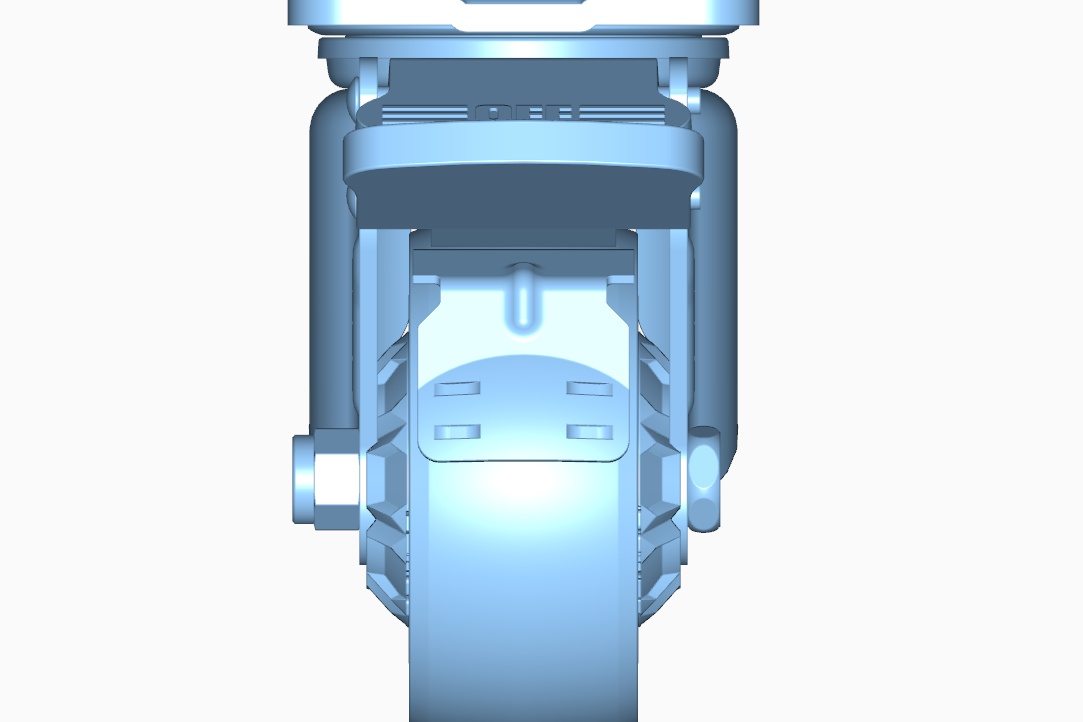
Caster specifications are standardized technical parameters that describe a caster wheel’s dimensions, load capacity, materials, mounting type, bearing system, and environmental ratings. Manufacturers publish these specifications in product catalogs, engineering datasheets, and online configurators to help buyers compare products and ensure compatibility. When evaluating casters, procurement professionals and equipment engineers typically review load rating, wheel diameter, mounting style, tread material, bearing type, swivel radius, and operating temperature range. Each specification directly influences how the caster will perform under real working conditions.
Key Caster Specifications to Know
Load Capacity: Dynamic vs Static
The load capacity is the single most critical caster specification. It specifies the maximum weight a single caster can safely carry under defined operating conditions. Dynamic load capacity refers to the weight the caster can handle during normal movement, while static load capacity refers to the weight it can support while stationary. Static ratings are typically 1.5 to 3 times the dynamic rating, depending on the wheel material and bearing design. When selecting casters for a four-wheel application, divide the total equipment weight by four and apply a safety factor of at least 1.5 to account for uneven floor surfaces, thresholds, and dynamic shock loads during starts and stops. For outdoor use or high-speed applications, increase the safety factor to 2.0 or higher.
Wheel Diameter and Width
Wheel diameter directly impacts rolling effort, obstacle negotiation, and floor pressure. Larger wheels roll more easily over cracks, expansion joints, and debris, and they distribute the load over a larger contact area to reduce floor marking and surface damage. Common industrial wheel diameters range from 2 inches (50 mm) for light-duty furniture applications to 12 inches (300 mm) or more for heavy-duty platform trucks and aerial lifts. Wheel tread width also matters: wider wheels provide better load distribution and longer life but increase rolling resistance and require more clearance. As a general rule, larger wheels require less force to start rolling and maintain motion, which reduces operator fatigue.
Mounting Type and Hole Pattern
The mounting specification defines how the caster attaches to equipment. Common mounting types include top plate, threaded stem, grip neck stem, expanding stem, and bolt-on. Plate mountings are specified by their overall dimensions and bolt hole pattern (measured center-to-center). Stem mountings are specified by thread diameter and length for threaded stems, or by diameter and grip length for grip neck stems. Choosing the correct mounting specification ensures a secure fit and prevents mounting failures under load. Mismatched hole patterns are a leading cause of installation delays and caster failure.
Caster Material Specifications
Frame and Fork Construction
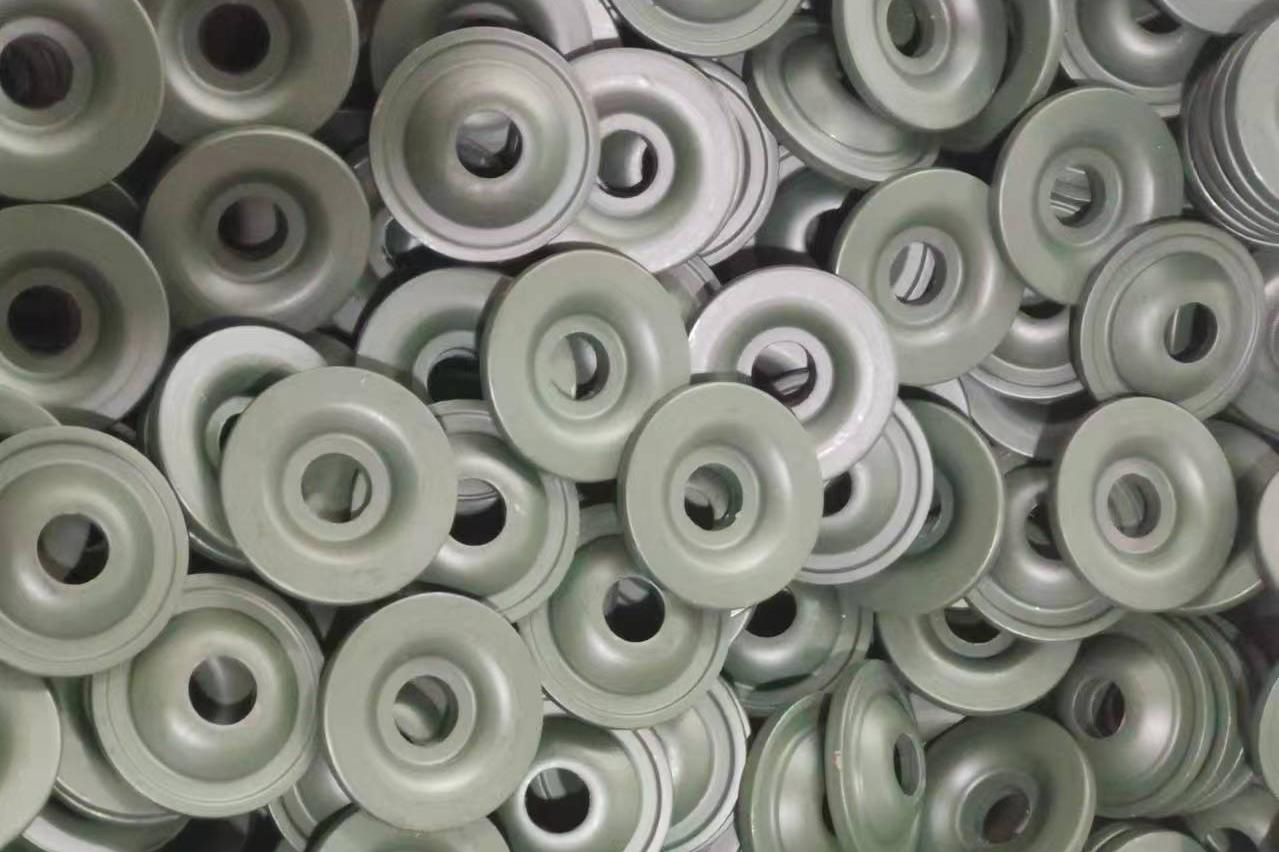
The caster frame and fork are typically constructed from stamped steel, forged steel, or cast iron. Stamped steel forks are common for light and medium duty applications up to about 200 kg per wheel. Forged steel forks are used for heavy-duty casters in the 200 to 800 kg range. Cast iron or ductile iron construction is reserved for extra-heavy-duty casters handling 800 kg to several tons per wheel. Surface finishes include zinc plating for indoor use, powder coating for enhanced corrosion resistance, and 304 or 316 stainless steel for washdown and corrosive environments. The fork thickness and bend radius determine the caster’s resistance to side impacts and fatigue cracking.
Wheel Tread Material and Hardness
The wheel tread material specification includes both the base material and its hardness rating. Polyurethane is available in durometers from Shore A 70 (soft, quiet, floor-protective) to Shore A 95 (firm, high-load, low rolling resistance). Nylon wheels are typically Shore D 80 or higher, offering exceptional strength but producing more noise. Rubber wheels range from Shore A 60 to Shore A 80 for shock absorption. Each material has a defined operating temperature range, chemical resistance profile, and rolling resistance coefficient. Selecting the wrong material can lead to premature wheel failure, floor damage, or excessive pushing force.
Bearing Type Specifications
Caster bearings are specified as plain bore, roller bearing, precision ball bearing, or tapered roller bearing. Plain (bushed) bearings are the most economical but have the highest rolling resistance and shortest service life. Roller bearings offer easier rolling and moderate durability. Precision ball bearings provide the smoothest motion and longest life for medium-duty applications. Tapered roller bearings are used for heavy-duty and high-speed applications because they handle both radial loads and thrust loads simultaneously. The bearing type is closely linked to the maximum speed rating of the caster assembly.
Additional Caster Specifications
Swivel Radius and Overall Height
The swivel radius (or kingpin offset) is the horizontal distance between the vertical swivel axis and the center of the wheel. A larger swivel radius makes the caster easier to turn but increases the overall footprint and can cause shimmy at high speeds. Overall height is the vertical distance from the mounting surface to the floor, which must match the equipment’s designed working height. When replacing existing casters, matching the overall height is critical to maintaining ergonomic working positions and proper equipment alignment.
Brake and Locking Specifications
Many casters offer optional brake mechanisms specified as side brake, total lock brake, or directional lock. A side brake locks only the wheel rotation. A total lock brake locks both the wheel rotation and the swivel head, converting the caster to a fixed position. A directional lock keeps the caster in a straight-line orientation. Brake types include foot-actuated, toe-actuated, and spring-loaded mechanisms. The brake specification includes holding capacity, actuation force, and weather resistance.
How to Read a Caster Specification Sheet
A standard caster specification sheet lists the model number, wheel diameter, tread width, plate dimensions, mounting hole pattern, swivel radius, overall height, dynamic load rating, static load rating, bearing type, tread material, wheel hardness, and temperature range. Cross-referencing these values with your equipment requirements ensures a proper fit. Pay special attention to the swivel radius and mounting hole pattern, as these are the most common compatibility issues that arise during installation. Always verify that the rated load exceeds your calculated per-wheel requirement by a sufficient safety margin.
Speed Rating and Environmental Specifications
Every caster has a maximum recommended rolling speed, typically measured in kilometers per hour or feet per minute. Light-duty furniture casters are rated for walking speed (up to 4 km/h), while medium and heavy-duty industrial casters are rated for speeds up to 5 or 10 km/h. Exceeding the speed rating causes excessive heat buildup in the wheel tread, premature bearing failure, and potential wheel disintegration. For AGV and automation applications, casters must be rated for continuous operation at the vehicle’s travel speed, often with precision sealed bearings and polyurethane treads designed for low rolling resistance over long distances.
Environmental specifications include operating temperature range, chemical resistance, and water resistance. Standard polyurethane wheels perform from -20 C to 80 C. High-temperature compounds are available for oven and bake oven applications up to 200 C. Nylon wheels handle both colder and hotter conditions but may become brittle in prolonged UV exposure. Stainless steel forks and sealed bearings are required for washdown environments, food processing plants, and outdoor applications exposed to rain and humidity. Always verify that all components of the caster assembly, not just the wheel, are rated for the specific environment.
When comparing caster specifications from different manufacturers, pay attention to how load ratings are tested. Some manufacturers rate a caster at maximum speed, others at walking speed. Some test with a smooth steel wheel on a steel plate, others with rubber on concrete. Always compare ratings from the same testing standard. The ISO 22877 and Cisterm standards provide consistent testing methodologies, but many manufacturers use internal standards. When in doubt, consult the manufacturer’s engineering team and provide your specific operating conditions for a recommendation.
Frequently Asked Questions
Q: What do caster size numbers like 5×2 mean?
A: In caster specifications, the first number is the wheel diameter in inches and the second is the wheel tread width in inches. So a 5×2 caster has a 5-inch diameter wheel that is 2 inches wide. Larger width provides better load distribution and floor protection but increases rolling resistance.
Q: What is the difference between load capacity and overall height?
A: Load capacity is the maximum weight each caster can carry. Overall height is the vertical distance from the mounting surface to the floor. When replacing casters, match the overall height to maintain the equipment’s designed working height, as even a small difference can affect ergonomics and alignment.
Q: How do caster specifications vary by duty rating?
A: Light-duty casters (up to 100 kg) use thin stamped steel frames and small wheels. Medium-duty (100-200 kg) use thicker steel and roller bearings. Heavy-duty (200-600 kg) use forged steel with ball or tapered bearings. Extra-heavy-duty (600+ kg) use cast iron construction with precision bearings and large diameter wheels.
Q: Can I mix different caster specifications on the same cart?
A: It is generally recommended to use identical casters on all corners except for the standard 2-swivel-plus-2-rigid configuration. Never mix different wheel diameters or load ratings, as this causes uneven loading, premature wear, and unpredictable steering behavior.
Related Reading
How Are Industrial Caster Loads Graded? Light, Medium, Heavy, Extra-Heavy Division
How to Calculate Industrial Caster Load Capacity: Dynamic vs Static Load
What Core Parameters Need Attention in Industrial Caster Selection?
What Are the Common Load-Bearing Standards for Universal Wheels?
How to Properly Use Industrial Casters to Extend Service Life
Browse Medium Duty Caster Series (100-190kg)
Explore Heavy Duty Caster Series (150-610kg)
Contact YTOP for Custom Caster Specifications
Post time: Jul-03-2023