
The most common caster failure in workshops is not wear — it’s wrapping. Lint, wire, and packaging straps get caught in the gap between the wheel and the bracket, seizing the wheel and making the cart impossible to push. Anti-wrapping is not a matter of luck; it is determined jointly by bracket structure, wheel spacing design, and routine maintenance.
How Wrapping Occurs
Foreign objects enter the wheel interior mainly through three channels. The gap between the wheel and the bracket side plate is the most common entry point — slender lint and wire are easily drawn in by the rotating wheel. The gap at the top swivel can also draw in lint, which makes steering stiff once entangled. Once foreign objects become entangled in the axle area, the entire wheel seizes directly, and it is the most troublesome to deal with.
Gaps are the channels for wrapping, so the core idea of anti-wrapping is to control gaps.
Anti-Wrap Design in Bracket Structure
The bracket structure is the first line of defense against wrapping, and there are several design directions. The gap between the wheel and the bracket side plate should be narrowed as much as possible, making it difficult for fine foreign objects to squeeze in. Enclosed guards should be installed at the axle and swivel areas to block gaps from the outside. The bracket surface should reduce protrusions and dead corners — without hanging points, foreign objects are less likely to accumulate.
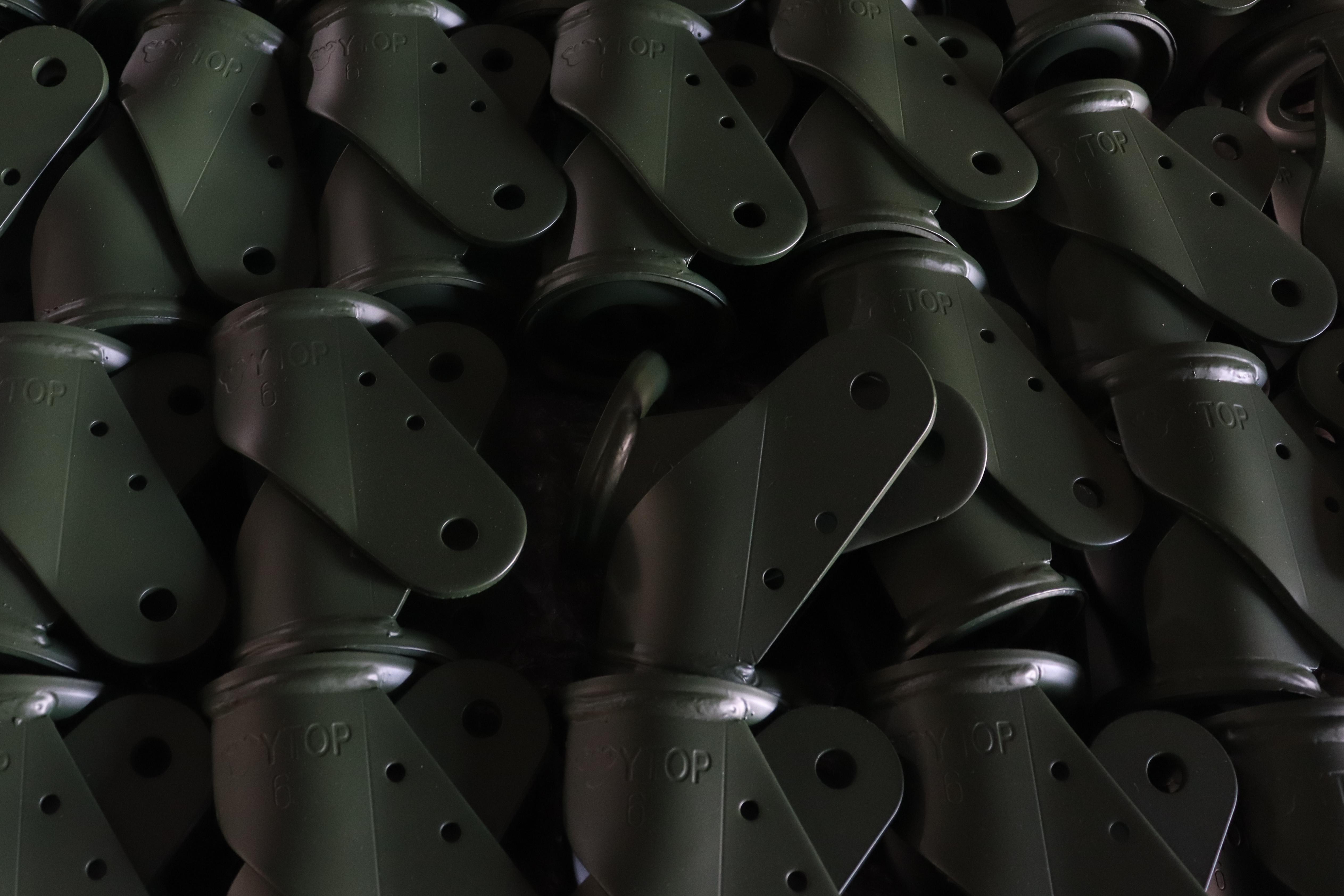
When these designs are combined, the probability of wrapping can be significantly reduced. However, it should be noted that the effectiveness of anti-wrap design depends on manufacturing precision — how well gaps are controlled and how tightly guards fit can vary considerably between manufacturers.
Coordination of Wheel Spacing and Wheel Type
The wheel’s own design also affects wrapping risk. The spacing between dual wheels should be moderate — too wide a spacing can easily trap wider foreign objects. Tread width needs to be balanced: a wide tread has a large contact area and good load capacity, but it is also more likely to pick up debris and fibers from the floor. If the wheel edge shape has a smooth transition, foreign objects are more likely to slide off than with right-angle wheel edges.
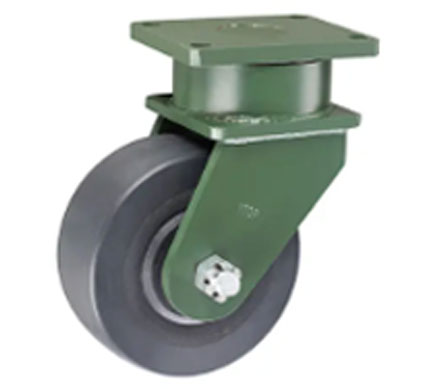
When selecting wheels for workshops with high wrapping risk, priority should be given to models with good side protection and smooth wheel edges.
Wrapping Risk Grading for Different Workshops
Wrapping risk varies greatly between workshops, so before selecting wheels, you should first determine which tier your workshop falls into.
Textile and garment factories have abundant lint and are wrapping disaster zones — anti-wrap design is a necessity, and ordinary casters can barely last two months. Wire and metal rod workshops face slender metal wires, which are hard and difficult to clean once trapped, making wheel side protection especially important. Ordinary packaging workshops occasionally have packaging straps and plastic film falling on the floor, with medium risk — routine floor cleaning plus regular gap inspections are sufficient.
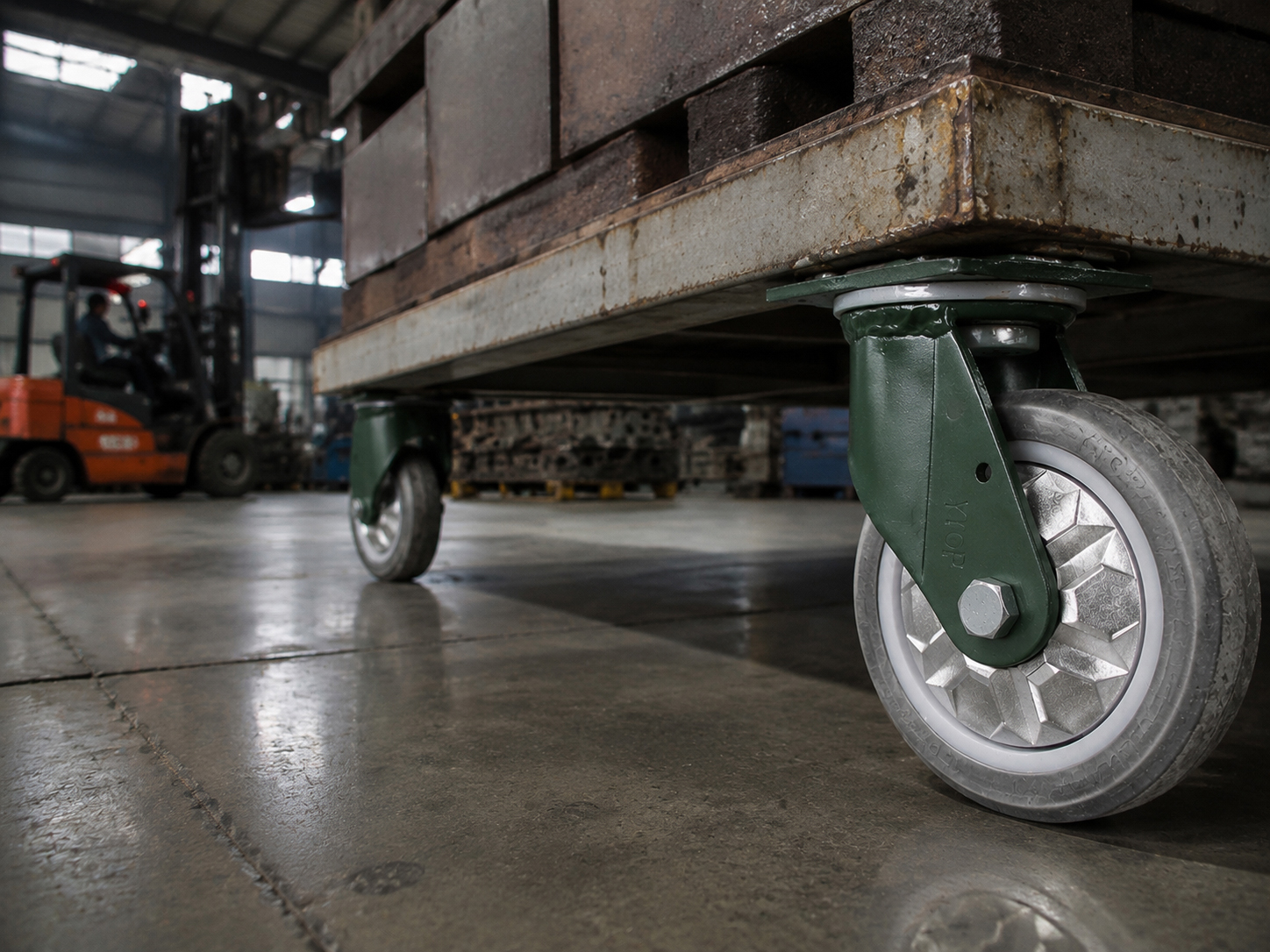
First determine the wrapping risk level, then decide which tier of anti-wrap configuration is needed, to avoid over-investment or insufficient protection.
Maintenance Cannot Rely on Design Alone
Even the best anti-wrap design cannot withstand long-term neglect. It is recommended to inspect the gaps between wheels and brackets once a week, removing any foreign objects promptly. Keep the workshop floor clean, sweeping up lint and thread ends in time to reduce foreign objects at the source. When steering becomes stiff or rolling resistance increases, check for wrapping before checking bearings — many maintenance workers habitually assume it is a bearing problem, when in fact something is often tangled in the gap. This is especially true for wheels with sealed bearings, which themselves have low failure rates — stiff steering is most likely caused by external wrapping.
Zhuoye manganese steel casters incorporate anti-wrapping as one of the considerations in structural design. When purchasers in textile and wire workshops select wheels, reporting the workshop’s wrapping risk situation to the manufacturer so that anti-wrap design can be adapted to actual working conditions is more trouble-free than frequent cleaning after the fact.
Related Reading
Looking for more on caster bracket construction and workshop care? Explore these related articles:
- Caster Bracket: One-Piece Molded or Welded Bracket Is Better? — how bracket construction affects strength and gap control.
- Easy-to-Deal-with Caster Maintenance Tips — routine care that keeps gaps clear and wheels turning.
Explore our complete range of heavy-duty casters (150-610kg) for demanding workshop applications, or contact our engineering team for anti-wrap selection guidance.
Post time: Oct-31-2026