
Casters, as a common accessory in our daily lives, may not attract enough attention. When purchasing items equipped with casters such as wheelchairs, luggage or office chairs, we often hear about good casters and poor quality casters. What are good casters and what are poor quality casters?
Safety – about the user’s quality of life
Good casters: Good casters have excellent safety features. First, they are made of high-strength materials, such as high-quality polyurethane or rubber, which make them more wear-resistant and have good pressure resistance. Secondly, good casters are precision designed and manufactured to ensure smooth travel on different surfaces and avoid bumps or snags.
Inferior casters: Inferior casters are usually manufactured with low-cost materials, such as plastic or low-quality rubber. These materials are prone to wear and tear, causing the caster to lose its smoothness and resistance to pressure, making travel unstable and risking obstruction. In addition, poor quality casters often neglect the design of the brake system, increasing the risk of accidental sliding or rolling, bringing unnecessary hazards to the quality of life of the user.

Part II: Durability – Consideration of Quality and Longevity
Good casters: Good casters have a long service life and can withstand daily use and heavy loads. They are made of high-quality materials with high abrasion resistance and aging resistance. The structural design of good casters has been carefully optimized for strong tensile strength and is not easy to be deformed or broken.
Inferior casters: Inferior casters are often manufactured using low-cost materials of varying quality and are susceptible to wear and deformation. Inferior casters lack durability and are prone to breaking or falling off. This results in not only the need to replace casters frequently, but can also lead to accidental injuries, causing inconvenience and risk to the user.
The third part: the use of experience – to promote whether the labor-saving
Good casters: Good casters have good cushioning performance and stability, and can provide a comfortable and smooth sliding experience. They move smoothly and noiselessly, and can be steered flexibly to easily cope with complex floors. Good casters also reduce the resistance to pushing or pulling objects, reducing the user’s labor intensity.
Poor quality casters: Poor quality casters are often difficult to slide, have high resistance, and are not only laborious but also noisy. They often lack cushioning properties, making users feel bumps and vibrations on uneven surfaces. In addition, poor-quality casters may have difficulty steering, making operation inflexible and increasing inconvenience and fatigue during use.
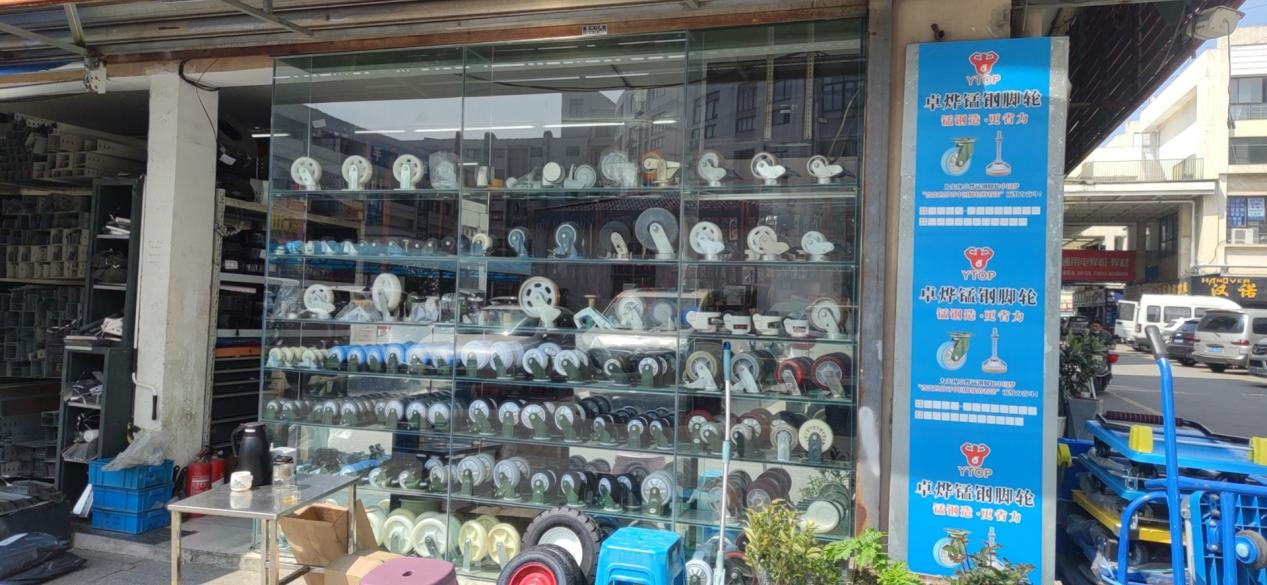
Choose casters, avoid blind pursuit of low prices, but also to carefully understand and compare the quality and performance of the product. Zhuo Ye manganese steel casters are labor-saving and durable, and those who have used them know it!
Related Reading
Explore more caster quality, material identification, and purchase strategy guides:
- Substandard vs Quality Casters: The Quality Gap Hidden in Details — Learn about caster quality differences including hidden details.
- Small Casters Can “Kill”: Poor-Quality Caster Dangers for Enterprises — Learn about poor-quality caster risks including safety concerns.
- Caster Material: Recycled vs High-Quality Raw Materials — Learn about caster material quality including recycled vs new materials.
- Caster Selection: Quality Casters from Zhuoye — Learn about quality caster selection including brand choice.
- How to Recognize Caster Material: Burning Characteristics and Wear Coefficient — Learn about caster material identification including testing methods.
Explore our complete range of high-quality heavy-duty casters (150-610kg) and medium-duty casters (100-190kg) with verified quality standards, or contact our quality team for expert caster quality and purchase guidance.
Post time: Mar-04-2024