

Casters in carts, forklifts, cranes and other equipment are the key components to realize equipment movement and material handling.The design and material selection of casters directly affects the operational efficiency, stability and durability of the equipment.In these devices, the Casters usually need to have good load carrying capacity, abrasion resistance, impact resistance and the ability to adapt to different ground conditions.
Caster Structure and Material Selection for Industrial Equipment
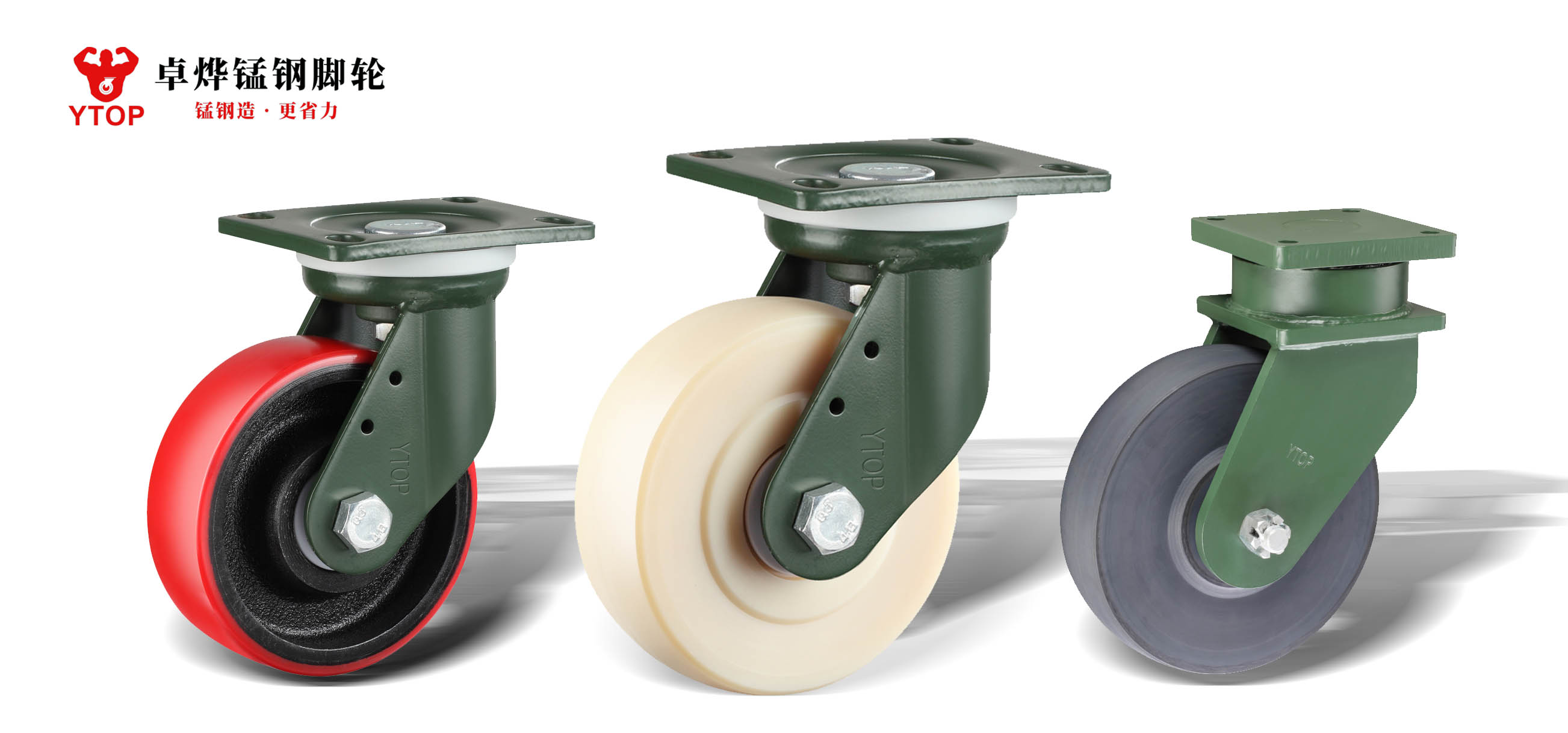
Casters usually consist of a bracket, a core, a wheel face and a bearing.The bracket is the main part of the caster that Carrying major loads;The wheel surface, on the other hand, is the part in contact with the ground.Its material directly determines the wear resistance and service life of the caster.In terms of material selection.Heavy-duty casters usually use high-strength plastic or metal as the material of the wheel core.While the wheel surface is made of high quality natural rubber, synthetic rubber, nylon, PU, etc., the These materials have good abrasion resistance, impact resistance and elasticity.
Applications of Heavy-Duty Industrial Rubber Casters
Heavy-duty industrial rubber casters are widely used in a variety of industrial equipment.Such as wheelbarrows, forklifts, cranes, etc.They provide stable support and flexible mobility for these devices, the Enables equipment to operate efficiently and safely in a variety of complex environments.Meanwhile.Heavy-duty industrial rubber casters also have a certain shock-absorbing function.Able to reduce the vibration and noise generated by the equipment during movement.Protect equipment and surroundings.
Key Factors for Caster Selection in Industrial Applications
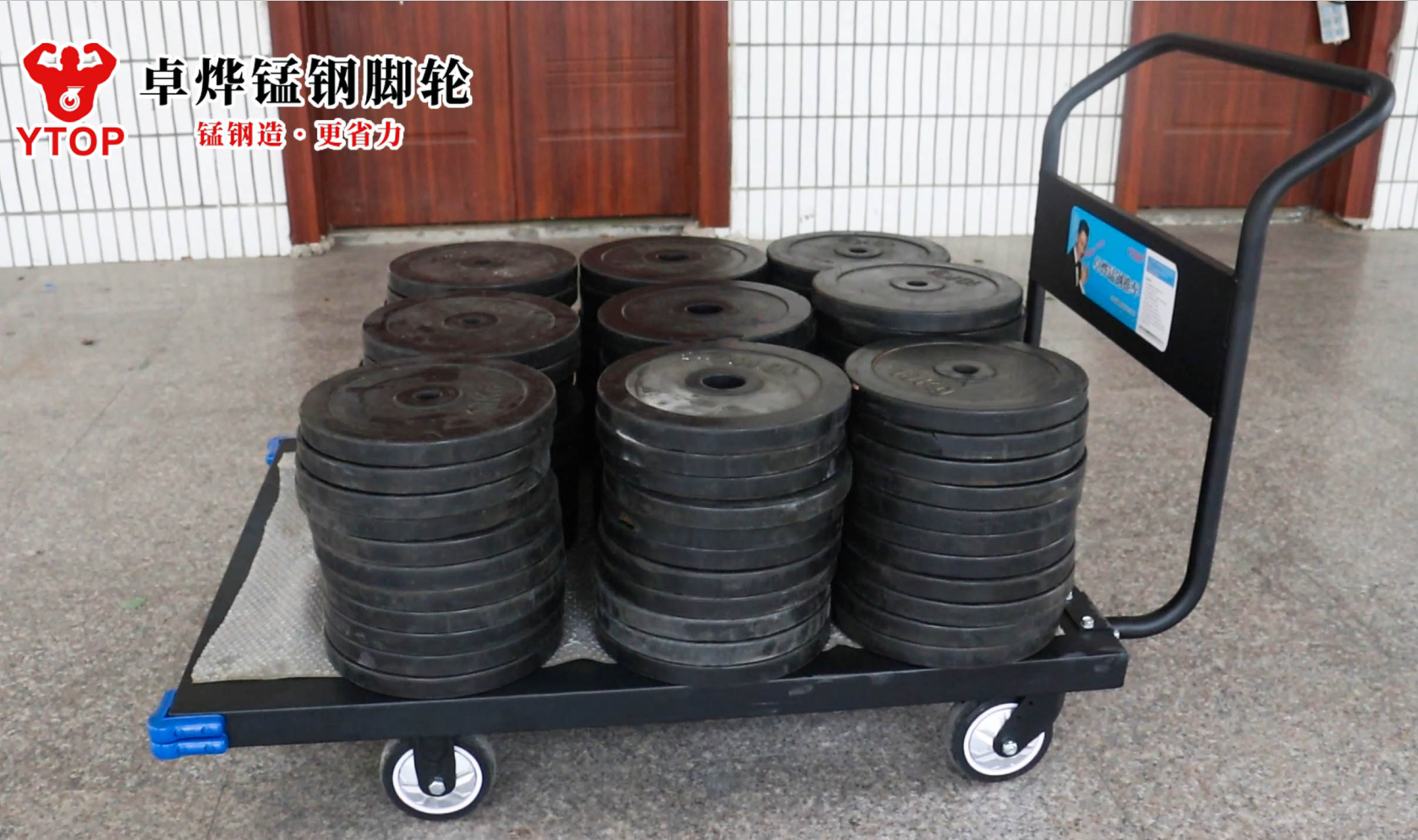
When selecting casters, the The weight and operational requirements of the equipment need to be considered, the Select casters with sufficient load-bearing capacity.Meanwhile.Considering the environment in which the equipment is located.such as ground conditions, temperature, humidity, and other factors.Select the appropriate rubber material and caster type.Ensuring that the casters have good stability and reliability, the Avoid accidents during the operation of the equipment.regular maintenance and servicing.including cleaning debris and dirt from the surface of the caster, checking bearings and fixtures for looseness or damage, and inspecting wheel surfaces for wear and tear.as well as regularly checking the lubrication of the casters.All are important measures to ensure the normal operation and prolong the service life of casters.
Related Reading
Looking for more in-depth caster guides and industrial mobility resources? Explore these related articles:
- Casters Buying Guide — Find the right wheel for your needs.
- How to Choose Casters — Guide to key selection factors.
- Selection Guide — Fixed vs swivel caster selection.
- Mobile Shelf Casters — Selection for mobile shelves.
- Purchasing Guide — Easy to understand purchasing guide.
Explore our complete range of heavy-duty casters (150-610kg) and super heavy-duty casters (700-1600kg), or contact our engineering team for expert guidance.
Post time:
Jun-16-2025
Related Reading
Looking for more in-depth caster guides and industrial mobility resources? Explore these related articles:
- Casters Buying Guide — Find the right wheel for your needs.
- How to Choose Casters — Guide to key selection factors.
- Selection Guide — Fixed vs swivel caster selection.
- Mobile Shelf Casters — Selection for mobile shelves.
- Purchasing Guide — Easy to understand purchasing guide.
Explore our complete range of heavy-duty casters (150-610kg) and super heavy-duty casters (700-1600kg), or contact our engineering team for expert guidance.