
I. Structure of casters
The structure of casters can vary according to different uses and design requirements, but usually includes the following main parts:
Wheel surface: The main part of the caster is the wheel surface, which is usually made of high strength and wear-resistant materials, such as rubber, polyurethane, nylon or polypropylene.
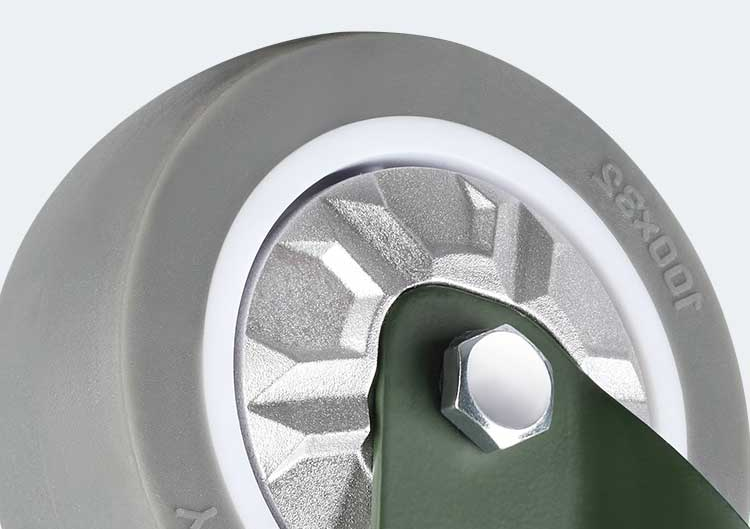
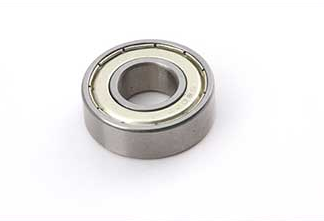
Bearings: Bearings are located inside the wheel body and serve to minimize friction and provide smooth rotation. Common types of bearings include ball bearings and roller bearings, and their selection depends on load and speed requirements.
Bracket: The bracket connects the wheel body to the mounting base and provides support for wheel fixation and rotation. The bracket is usually made of metal for strength and stability.
Screw: The screw is the center rod that connects the wheel body to the bracket, and it allows the wheel to rotate around the axle. The material and size of the shaft should match the wheel body and bracket to ensure the stability and reliability of the wheel.
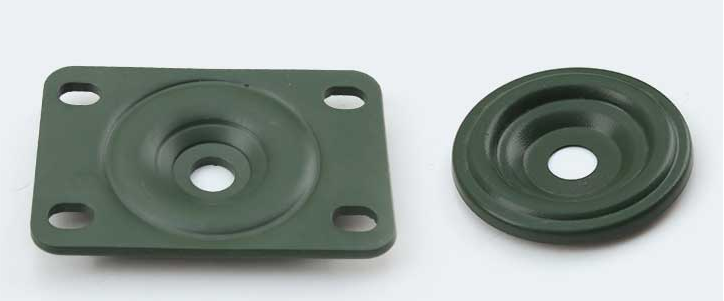
Wave plate: the wave plate plays a role in fixing the caster and steering, is the key to the rotation of the universal wheel, a good wave plate tends to rotate more flexibly, and the actual use of the wheel will be more labor-saving.
Second: the installation process of industrial casters
Correct installation is the key to ensure the normal operation and prolong the service life of casters. The following is the general installation process of industrial casters:
Preparation: Before installing the casters, you need to carefully read the installation instructions provided by the supplier and prepare the required tools, such as wrenches, screwdrivers and rubber hammers.
Cleaning: Ensure that the mounting surface is clean and flat, free of debris and obstructions. A clean surface helps ensure good contact between the casters and the mounting base.
Mounting Bracket: Secure the bracket to the equipment according to the equipment design requirements and mounting instructions. They are usually secured using bolts, nuts or welding. Ensure that the bracket is firm and reliable, and check its suitability for the equipment.
Install the wheel body: Insert the wheel body into the bearing holes of the bracket to ensure that the bearings are properly installed. If necessary, use a rubber mallet to gently tap the wheel body to make it fit tightly into the bracket.
Secure the shaft: Use an appropriate fastening method (e.g., pins, bolts, etc.) to attach the shaft to the bracket. Make sure the shaft is tightly secured to the bracket to prevent the wheel body from loosening or falling off.
CHECK AND ADJUSTMENT: After installation is complete, carefully check the installation of the caster. Ensure that the wheel body rotates smoothly and there is no jamming or unusual noise. If necessary, make appropriate adjustments and calibrations.
Testing and Acceptance: After installation is complete, perform testing and acceptance of the caster. Ensure that the casters operate properly on the equipment and meet the design requirements.
Related Reading
Looking for more in-depth caster guides and industrial mobility resources? Explore these related articles:
- Installation Height — Caster installation height details and precautions.
- Foma Installation — Installation of Foma casters in aluminum profiles.
- Install Process — Caster structure and industrial installation process.
- Main Components — What are the main components of a caster?
- Casters Buying Guide — Find the right wheel for your needs.
Explore our complete range of heavy-duty casters (150-610kg) and super heavy-duty casters (700-1600kg), or contact our engineering team for expert guidance.
Related Reading
Explore more caster structure, installation, and accessory guides:
- Analysis of the Structure and Characteristics of Industrial Casters — Learn about industrial caster structure and characteristics including component details for installation process.
- Caster Installation Height Details and Installation Precautions — Learn about caster installation height details and precautions including industrial installation process considerations.
- Notes on the Installation and Use of the Universal Wheel — Learn about universal wheel installation and use notes including industrial installation process tips.
- Caster Mounting Method and Bracket Handling Process — Learn about caster mounting methods and bracket handling including industrial installation process details.
- Caster Accessories Full Strategy: Small Accessories Big Role — Learn about caster accessories including structure components and their role in industrial installation.
Explore our complete range of structure-optimized heavy-duty casters (150-610kg) and medium-duty casters (100-190kg) with easy industrial installation, or contact our engineering team for expert caster structure and installation process guidance.
Post time:
Aug-01-2023
Related Reading
Looking for more in-depth caster guides and industrial mobility resources? Explore these related articles:
- Installation Height — Caster installation height details and precautions.
- Foma Installation — Installation of Foma casters in aluminum profiles.
- Install Process — Caster structure and industrial installation process.
- Main Components — What are the main components of a caster?
- Casters Buying Guide — Find the right wheel for your needs.
Explore our complete range of heavy-duty casters (150-610kg) and super heavy-duty casters (700-1600kg), or contact our engineering team for expert guidance.
Related Reading
Explore more caster structure, installation, and accessory guides:
- Analysis of the Structure and Characteristics of Industrial Casters — Learn about industrial caster structure and characteristics including component details for installation process.
- Caster Installation Height Details and Installation Precautions — Learn about caster installation height details and precautions including industrial installation process considerations.
- Notes on the Installation and Use of the Universal Wheel — Learn about universal wheel installation and use notes including industrial installation process tips.
- Caster Mounting Method and Bracket Handling Process — Learn about caster mounting methods and bracket handling including industrial installation process details.
- Caster Accessories Full Strategy: Small Accessories Big Role — Learn about caster accessories including structure components and their role in industrial installation.
Explore our complete range of structure-optimized heavy-duty casters (150-610kg) and medium-duty casters (100-190kg) with easy industrial installation, or contact our engineering team for expert caster structure and installation process guidance.