Analyze the advantages and disadvantages of industrial iron core polyurethane casters

Industrial iron core polyurethane (PU) casters are a popular choice for many heavy-duty industrial applications, offering a unique combination of the strength and load capacity of an iron core with the performance benefits of a polyurethane tread. However, like any caster type, iron core polyurethane casters have both advantages and disadvantages that must be carefully considered when selecting casters for a specific application. Understanding these advantages and disadvantages is essential for making an informed decision that ensures optimal performance, durability, and value. This article provides a comprehensive analysis of the advantages and disadvantages of industrial iron core polyurethane casters, helping purchasers and users determine whether this caster type is the right choice for their specific application.

Introduction to Industrial Iron Core Polyurethane Casters

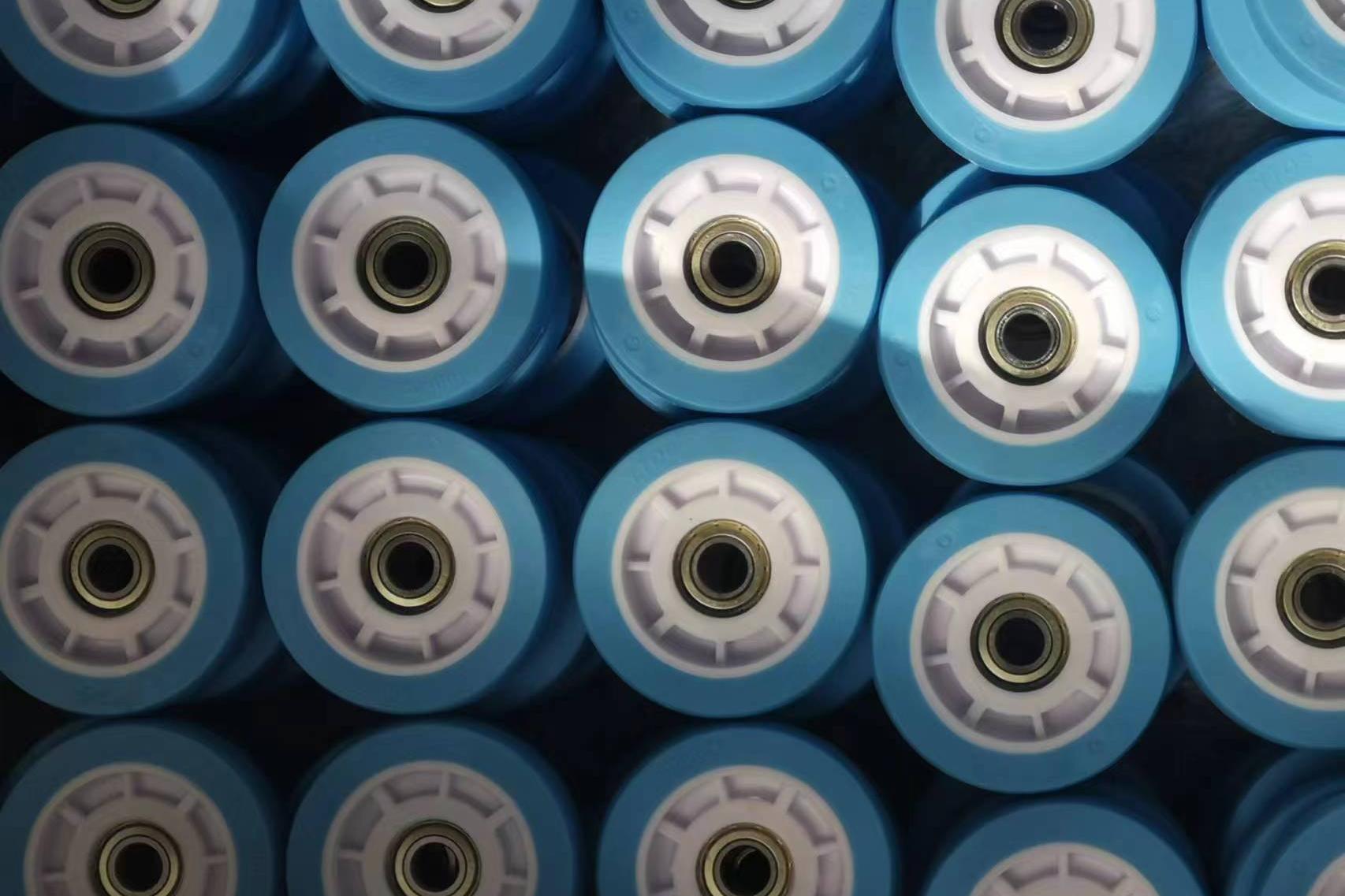
Industrial iron core polyurethane casters are caster wheels that consist of a cast iron or steel core (also known as a hub or center) with a polyurethane tread bonded or molded onto the outer diameter. This combination of materials leverages the strengths of both materials: the iron or steel core provides high strength, rigidity, and load capacity, while the polyurethane tread provides excellent wear resistance, low rolling resistance, noise reduction, floor protection, and good traction. Iron core polyurethane casters are widely used in heavy-duty industrial applications such as manufacturing, warehousing, automotive, aerospace, and material handling, where they need to support heavy loads while providing smooth, reliable movement.

The construction of iron core polyurethane casters typically involves bonding a polyurethane tread to a precision-machined cast iron or steel core using specialized adhesives and bonding processes. The bond between the polyurethane tread and the iron core is critical, as a poor bond can lead to tread separation, which is a common failure mode for inferior quality polyurethane wheels. High-quality manufacturers use rigorous bonding processes and quality control measures to ensure a strong, durable bond between the tread and core that will not separate under normal operating conditions. The iron core is typically designed with a precision bore to accommodate the bearing, and may include features such as a keyway, set screw holes, or other mounting configurations depending on the application. The polyurethane tread is available in various hardness levels (durometer), typically ranging from 80 Shore A to 95 Shore A for industrial applications, with harder formulations offering higher load capacity and lower rolling resistance, and softer formulations offering better noise reduction and floor protection. In this article, we will analyze the advantages and disadvantages of industrial iron core polyurethane casters in detail, providing a balanced assessment that will help purchasers and users make informed decisions about caster selection for their specific applications.

Advantages of Iron Core Polyurethane Casters

Industrial iron core polyurethane casters offer numerous advantages that make them a popular choice for heavy-duty industrial applications. One of the primary advantages is high load capacity. The iron or steel core provides exceptional strength and rigidity, allowing the wheel to support very heavy loads without deformation or failure. When combined with a high-quality polyurethane tread that is formulated for heavy-duty use, iron core polyurethane casters can support loads ranging from several hundred to several thousand kilograms per wheel, making them suitable for the heaviest industrial applications. The iron core also provides excellent dimensional stability, ensuring that the wheel maintains its shape and precision even under heavy loads and high temperatures, which is important for consistent performance and accurate bearing operation.

A second major advantage is excellent wear resistance and durability. Polyurethane is known for its exceptional abrasion resistance, typically 2-5 times better than rubber and significantly better than many other wheel materials. When bonded to a strong iron core, the polyurethane tread provides a long-wearing surface that maintains its dimensions and performance characteristics over extended periods of use, even in high-frequency, heavy-load applications. This extended service life reduces maintenance requirements, extends replacement intervals, and lowers the total cost of ownership over the life of the caster. A third advantage is low rolling resistance. Polyurethane treads, particularly those with harder durometer ratings, offer relatively low rolling resistance compared to softer materials such as rubber. This low rolling resistance reduces the effort required to move equipment, improving operator productivity and reducing fatigue, and for powered equipment such as AGVs or electric carts, it reduces energy consumption and extends battery life. A fourth advantage is noise reduction and floor protection. Polyurethane treads are significantly quieter than harder materials such as nylon, steel, or cast iron, and they are non-marking, meaning they do not leave scuff marks or damage floor surfaces. This makes iron core polyurethane casters suitable for use in environments where noise reduction and floor protection are important, such as manufacturing facilities, warehouses, and commercial buildings. A fifth advantage is good traction and shock absorption. Polyurethane treads provide good traction on most floor surfaces, including concrete, epoxy, and tile, and they offer a degree of shock absorption that cushions impacts from bumps, thresholds, and floor irregularities, protecting both the caster and the cargo. A sixth advantage is chemical and environmental resistance. Polyurethane is resistant to many oils, greases, and industrial chemicals, and iron core polyurethane casters can be used in a variety of environmental conditions, although extreme temperatures or certain harsh chemicals may require special formulations. Together, these advantages make iron core polyurethane casters a versatile, high-performance choice for many heavy-duty industrial applications.

Disadvantages of Iron Core Polyurethane Casters

Despite their many advantages, industrial iron core polyurethane casters also have some disadvantages and limitations that must be considered when selecting casters for a specific application. One of the primary disadvantages is higher initial cost compared to other caster types. The combination of a precision-machined iron core, high-quality polyurethane tread, and specialized bonding processes makes iron core polyurethane casters more expensive to manufacture than simpler caster types such as solid nylon wheels, solid steel wheels, or budget polyurethane wheels with plastic or lighter cores. This higher initial cost can be a barrier for purchasers with limited budgets or for applications where the performance benefits of iron core polyurethane casters are not fully utilized. However, it is important to consider the total cost of ownership, as the longer service life and lower maintenance requirements of high-quality iron core polyurethane casters can offset the higher initial cost over time.

A second disadvantage is the risk of tread separation if the bonding process is poor. The bond between the polyurethane tread and the iron core is a critical component of iron core polyurethane caster construction, and if this bond is inadequate, the tread can separate from the core under load, leading to catastrophic caster failure. Tread separation is more common in lower-quality casters from manufacturers that use inferior bonding processes or inadequate quality control. To mitigate this risk, it is important to purchase iron core polyurethane casters from reputable manufacturers that use proven bonding processes and rigorous quality control measures, and to avoid cheap, low-quality alternatives. A third disadvantage is limited performance in extreme temperature conditions. While polyurethane performs well in a wide range of temperatures (typically -40°C to +80°C for most formulations), extreme temperatures outside this range can affect performance. At very high temperatures, polyurethane may soften, reducing load capacity and increasing rolling resistance, and at very low temperatures, it may become stiff and brittle, reducing shock absorption and potentially increasing the risk of cracking or chipping. For applications involving extreme temperatures, special polyurethane formulations or alternative wheel materials may be required. A fourth disadvantage is potential for flat spotting under prolonged static loading. When an iron core polyurethane caster is left stationary under a heavy load for an extended period, particularly in warm environments, the polyurethane tread may develop a flat spot at the point of contact with the floor. This flat spot can cause vibration, noise, and uneven rolling when the caster is first moved, although it typically rounds out after some use. To minimize flat spotting, it is recommended to move equipment periodically or to use casters with harder polyurethane formulations that are less prone to flat spotting. A fifth disadvantage is heavier weight compared to wheels with aluminum or plastic cores. The iron core adds significant weight to the caster, which can be a consideration for applications where equipment weight is a concern, such as mobile equipment or equipment that needs to be lifted or transported frequently. For weight-sensitive applications, aluminum core polyurethane wheels may be a lighter alternative, although they typically have lower load capacity than iron core wheels. A sixth disadvantage is that iron core polyurethane casters may not be suitable for very rough or abrasive floor surfaces. While polyurethane has good wear resistance, extremely rough or abrasive floors (such as unfinished concrete with sharp aggregate, or floors with metal chips or other sharp debris) can accelerate wear and potentially damage the tread. For such environments, harder materials such as nylon or steel may be more appropriate, or more frequent wheel inspection and replacement may be necessary. By understanding these disadvantages and limitations, purchasers can make informed decisions about whether iron core polyurethane casters are appropriate for their specific application, or whether alternative caster types may be more suitable.

Comparison with Other Caster Types

To better understand the advantages and disadvantages of industrial iron core polyurethane casters, it is helpful to compare them with other common caster types. Compared to solid nylon wheels, iron core polyurethane casters offer better noise reduction, superior floor protection (non-marking), and better shock absorption, while nylon wheels offer slightly lower rolling resistance on very smooth surfaces, higher resistance to certain chemicals, and lower initial cost. For heavy-duty applications where noise and floor protection are important, iron core polyurethane casters are generally preferred; for applications where maximum load capacity and chemical resistance are priorities and noise is not a concern, nylon may be a suitable alternative.

Compared to solid steel or cast iron wheels, iron core polyurethane casters offer dramatically better noise reduction, superior floor protection, and good shock absorption, while steel or cast iron wheels offer the highest load capacity and virtually indestructible construction. Steel wheels are suitable only for extremely heavy loads on rough industrial floors where noise and floor damage are acceptable, while iron core polyurethane casters provide a much more balanced performance profile for the vast majority of heavy-duty applications. Compared to rubber tread wheels (with iron or other cores), iron core polyurethane casters offer higher load capacity, better wear resistance (2-5 times longer wear life), lower rolling resistance, and better resistance to oils and chemicals, while rubber wheels offer better noise reduction, superior shock absorption, and better traction on smooth or wet surfaces. For heavy-duty, high-frequency applications where durability and load capacity are important, iron core polyurethane casters are generally preferred; for applications where maximum noise reduction and shock absorption are priorities and loads are moderate, rubber may be a suitable choice. Compared to aluminum core polyurethane wheels, iron core polyurethane casters offer higher load capacity, better heat dissipation (iron conducts heat better than aluminum, which can be beneficial for high-speed or high-load applications), and generally lower cost, while aluminum core wheels offer significant weight reduction (typically 30-50% lighter than iron cores), which can be beneficial for weight-sensitive applications. For most heavy-duty industrial applications, iron core polyurethane casters are the preferred choice due to their higher load capacity and lower cost; for applications where weight reduction is critical, aluminum core polyurethane wheels may be a suitable alternative. Compared to budget polyurethane wheels with plastic or light-gauge steel cores, iron core polyurethane casters offer dramatically higher load capacity, better structural integrity, more precise bearing operation, and longer service life, while budget wheels offer lower initial cost. For heavy-duty applications, the higher initial cost of iron core polyurethane casters is justified by their superior performance, durability, and safety; budget wheels are suitable only for light-duty, infrequent-use applications where heavy loads are not involved. By comparing iron core polyurethane casters with these alternative caster types, purchasers can better understand the trade-offs and select the caster type that best meets their specific application requirements and budget constraints.

Suitable Applications and Selection Recommendations

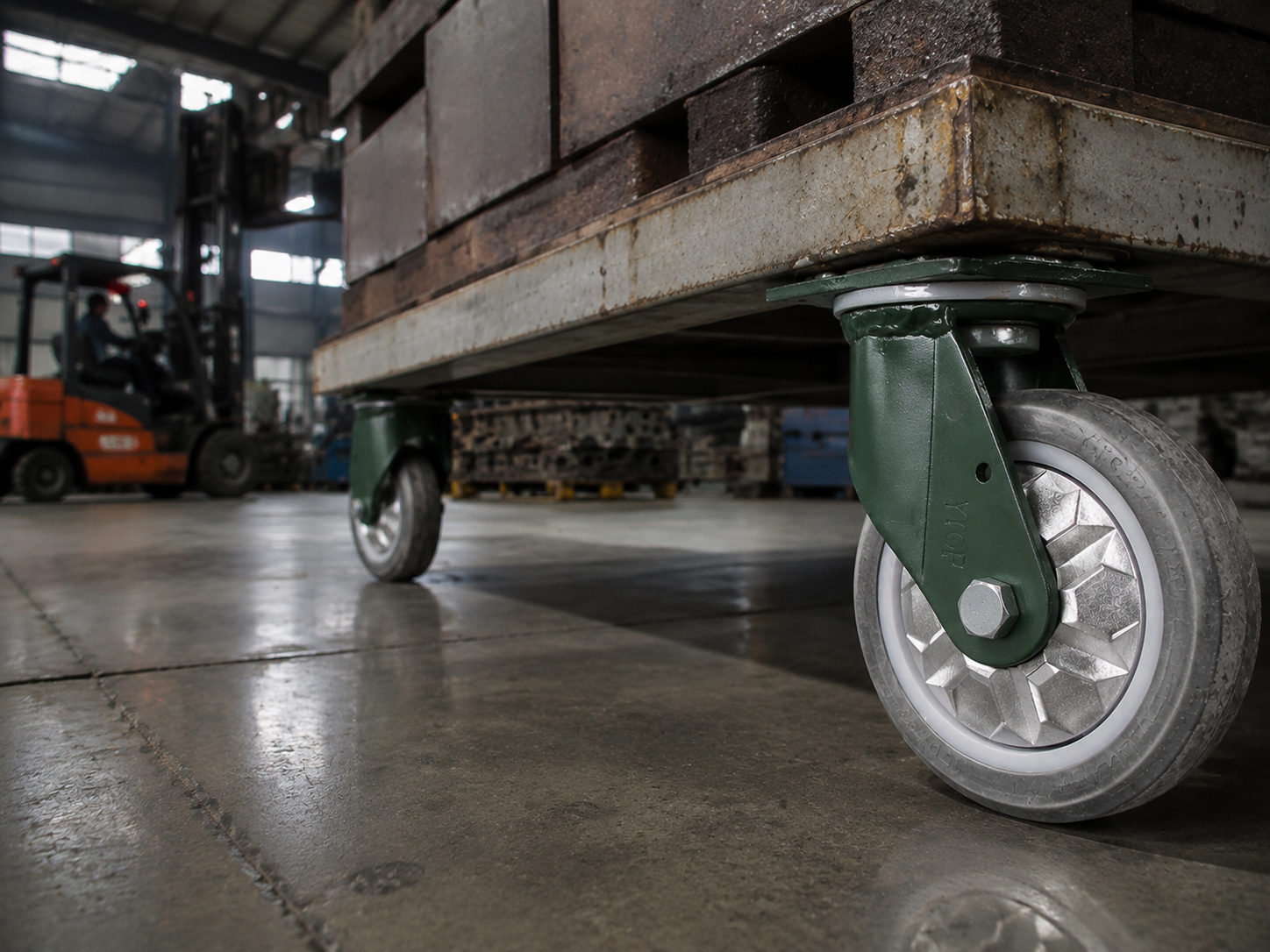
Based on the analysis of advantages and disadvantages, industrial iron core polyurethane casters are particularly well-suited for certain types of applications. They are an excellent choice for heavy-duty material handling equipment such as industrial carts, trolleys, dollies, and platform trucks that carry heavy loads in manufacturing facilities, warehouses, and distribution centers. Their high load capacity, excellent wear resistance, and low rolling resistance make them ideal for these high-frequency, heavy-load applications where durability and performance are critical. They are also well-suited for manufacturing equipment and machinery stands, including workstations, tool chests, machine bases, and assembly line equipment, where stable, reliable movement and floor protection are important. In the automotive industry, iron core polyurethane casters are commonly used on assembly line carts, parts transport equipment, and tooling carts, where their high load capacity, durability, and resistance to oils and greases make them well-suited for the demanding automotive manufacturing environment.

In the aerospace industry, iron core polyurethane casters are used on heavy equipment stands, tooling carts, and transport dollies, where their high load capacity and stable, smooth movement are essential for handling expensive and sensitive aerospace components. In warehousing and distribution, they are used on pallet jacks, order picking carts, storage racks, and material handling equipment, where their durability and low rolling resistance contribute to efficient operations. In food and beverage processing, stainless steel bracket iron core polyurethane casters with food-grade polyurethane treads are used on processing equipment, storage racks, and transport carts, where corrosion resistance, ease of cleaning, and non-marking properties are important. When selecting iron core polyurethane casters, several key factors should be considered: first, load capacity – ensure that the caster’s rated load capacity exceeds the maximum expected load per caster, with an appropriate safety factor (typically 2-4 times for heavy-duty applications); second, wheel diameter and width – select a wheel size that provides adequate load capacity, low rolling resistance, and ability to traverse floor obstacles, while fitting within the available space; third, polyurethane hardness (durometer) – select a hardness that balances load capacity/rolling resistance (harder) with noise reduction/floor protection (softer), with 90-95 Shore A being typical for heavy-duty industrial applications; fourth, bracket type – select swivel casters for maneuverability, rigid casters for straight-line tracking, or a combination of both for optimal performance; fifth, brakes – consider whether total lock brakes, single brakes, or directional locks are needed for the application; sixth, environmental conditions – ensure that the polyurethane formulation and bracket finish are compatible with the expected temperature, moisture, chemical, and washdown conditions; seventh, total cost of ownership – consider not just the initial purchase price but also the expected service life, maintenance requirements, replacement costs, and potential costs from downtime or equipment damage. By carefully considering these factors and selecting high-quality iron core polyurethane casters from reputable manufacturers, purchasers can ensure that they get the best performance, durability, and value for their specific application.

Conclusion: Balancing Advantages and Disadvantages

In conclusion, industrial iron core polyurethane casters are a high-performance caster type that offers a unique combination of advantages including high load capacity, excellent wear resistance and durability, low rolling resistance, noise reduction, floor protection, good traction and shock absorption, and chemical resistance. These advantages make them well-suited for a wide range of heavy-duty industrial applications, from material handling equipment and manufacturing machinery to automotive and aerospace manufacturing, warehousing, and food processing. However, they also have some disadvantages and limitations, including higher initial cost, the risk of tread separation with poor-quality manufacturing, limited performance in extreme temperatures, potential for flat spotting under prolonged static loading, heavier weight compared to aluminum core wheels, and potential limitations on very rough or abrasive floors. These disadvantages must be carefully considered when selecting casters for a specific application.

The key to making the right decision is to balance the advantages and disadvantages in the context of the specific application requirements and budget constraints. For heavy-duty industrial applications where high load capacity, durability, low rolling resistance, noise reduction, and floor protection are important, the advantages of iron core polyurethane casters typically far outweigh the disadvantages, and they are often the best choice. For applications where the performance benefits of iron core polyurethane casters are not fully utilized (such as light-duty, infrequent-use applications), or where specific limitations are a concern (such as extreme temperatures, very rough floors, or strict weight constraints), alternative caster types may be more suitable. It is also important to emphasize that the quality of the iron core polyurethane caster is critical. High-quality casters from reputable manufacturers, using proven bonding processes, high-quality materials, and rigorous quality control, will provide reliable performance and long service life, minimizing the impact of the potential disadvantages. Low-quality, cheap alternatives, on the other hand, may suffer from premature wear, tread separation, and other failures that can negate the advantages and lead to costly downtime and safety hazards. Therefore, when selecting iron core polyurethane casters, it is essential to purchase from reputable manufacturers and to prioritize quality over initial cost. By understanding the advantages and disadvantages of industrial iron core polyurethane casters, carefully evaluating the specific application requirements, and selecting high-quality products from reputable manufacturers, purchasers can make informed decisions that ensure optimal caster performance, durability, and value for their specific applications. In the right application, iron core polyurethane casters are an excellent investment that provides years of reliable, high-performance service, contributing to improved productivity, reduced maintenance costs, enhanced safety, and lower total cost of ownership.

Related Reading

Explore more caster material comparison and polyurethane guides:

cast iron caster wheel load capacity specification

cast iron caster bracket structure heavy duty

industrial cast iron caster wheel advantages

Explore our complete range of heavy-duty casters (150-610kg) and medium-duty casters (100-190kg) with iron core polyurethane options, or contact our engineering team for expert iron core polyurethane caster selection guidance.


Post time: Aug-12-2024