
Carts, also known as handcarts, are very handy tools that help us to carry heavy items such as shopping, traveling luggage, etc. with ease. There are many different types of carts, each with its own specific purpose and design, so let’s take a look at this assortment of carts and the role they play in our lives. From retail shopping to industrial material handling, carts are essential tools that improve efficiency and reduce physical strain in countless applications.
Introduction to Carts and Handcarts
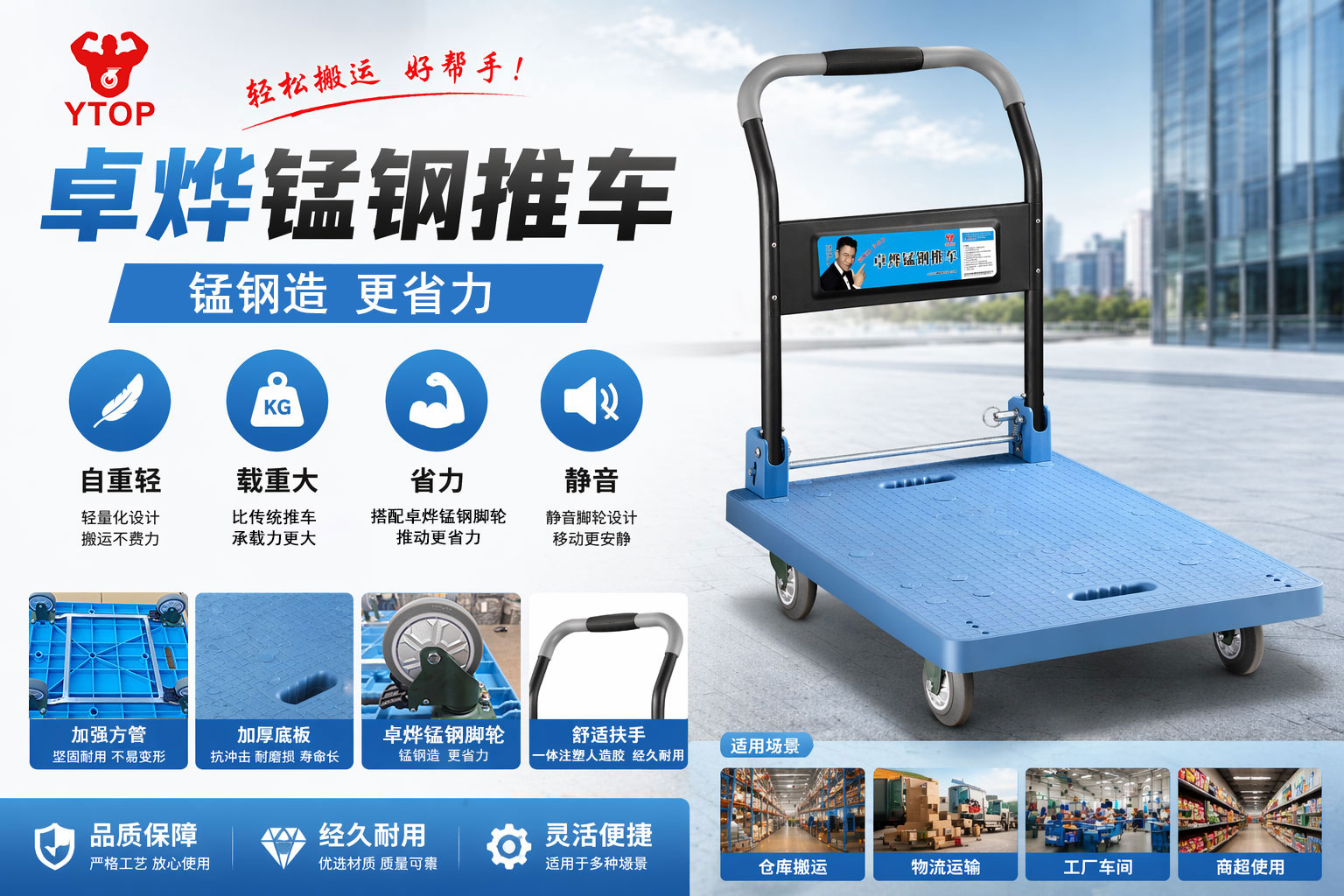
Carts and handcarts are among the oldest and most widely used material handling tools in human history. These simple yet effective devices consist of a platform or basket mounted on wheels, often with a handle for pushing or pulling. Carts are designed to transport goods more efficiently than carrying them by hand, reducing physical strain, increasing productivity, and enabling the movement of heavier or bulkier items. The basic cart design has evolved over centuries to serve specialized purposes across virtually every industry and aspect of daily life.
The Core Advantages of Carts
The fundamental advantages of carts include reduced physical effort for moving items, increased carrying capacity, improved efficiency and productivity, better organization and transport of goods, reduced risk of injury from lifting and carrying, and versatility across numerous applications. Whether used for a quick trip to the grocery store or for heavy industrial material handling, carts provide tangible benefits that make them indispensable tools in modern life. The wide variety of cart designs reflects the diverse needs of different users and applications.
Shopping Carts and Retail Applications
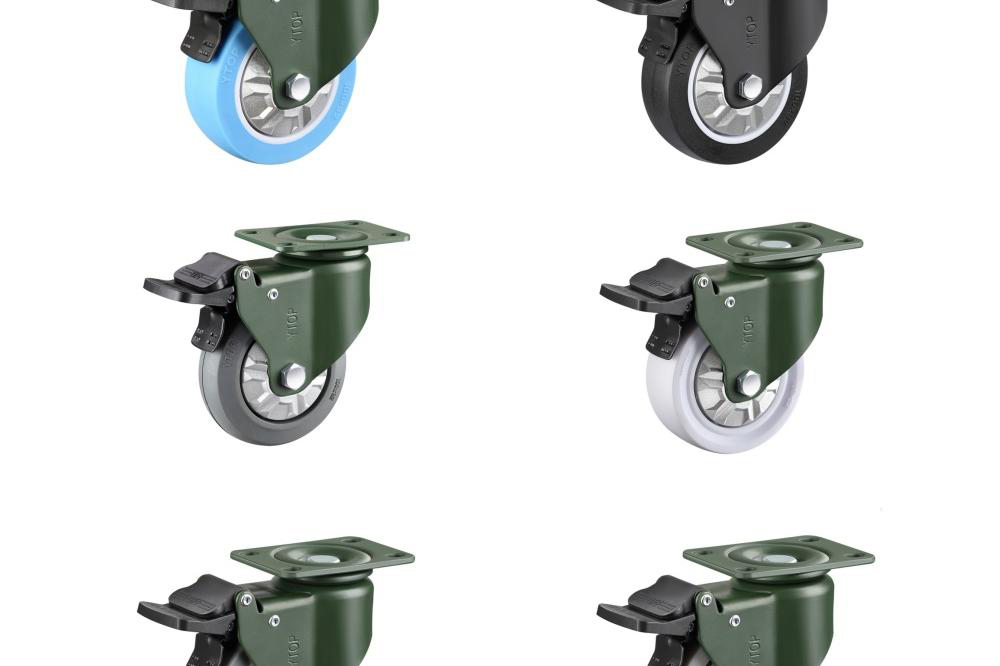
Whether you’re shopping at the supermarket or at the farmer’s market, shopping carts are essential tools that make the shopping experience more convenient and efficient. Standard supermarket shopping carts typically feature a large wire basket, four wheels (often with two swivel wheels for maneuverability), a handle for pushing, and sometimes a child seat. These carts are designed to carry groceries and other purchases throughout the store, allowing shoppers to accumulate items without having to carry them. Shopping carts are typically constructed from steel wire or plastic, with wheels designed for quiet operation on store floors.
Specialty and Retail Cart Designs
Beyond standard supermarket carts, retail applications include smaller shopping baskets on wheels, convenience store carts, pharmacy carts, and specialty retail carts designed for specific store formats. Farmers market carts and produce carts often feature larger wheels for navigating outdoor surfaces and may include multiple tiers for displaying and transporting produce. Retail cart design prioritizes maneuverability in crowded aisles, capacity for typical purchase volumes, durability for high-volume use, and ease of use for customers of all ages and abilities. The wheels on retail carts are typically designed for quiet operation and floor protection, often using polyurethane or rubber tread materials.
Luggage and Travel Carts
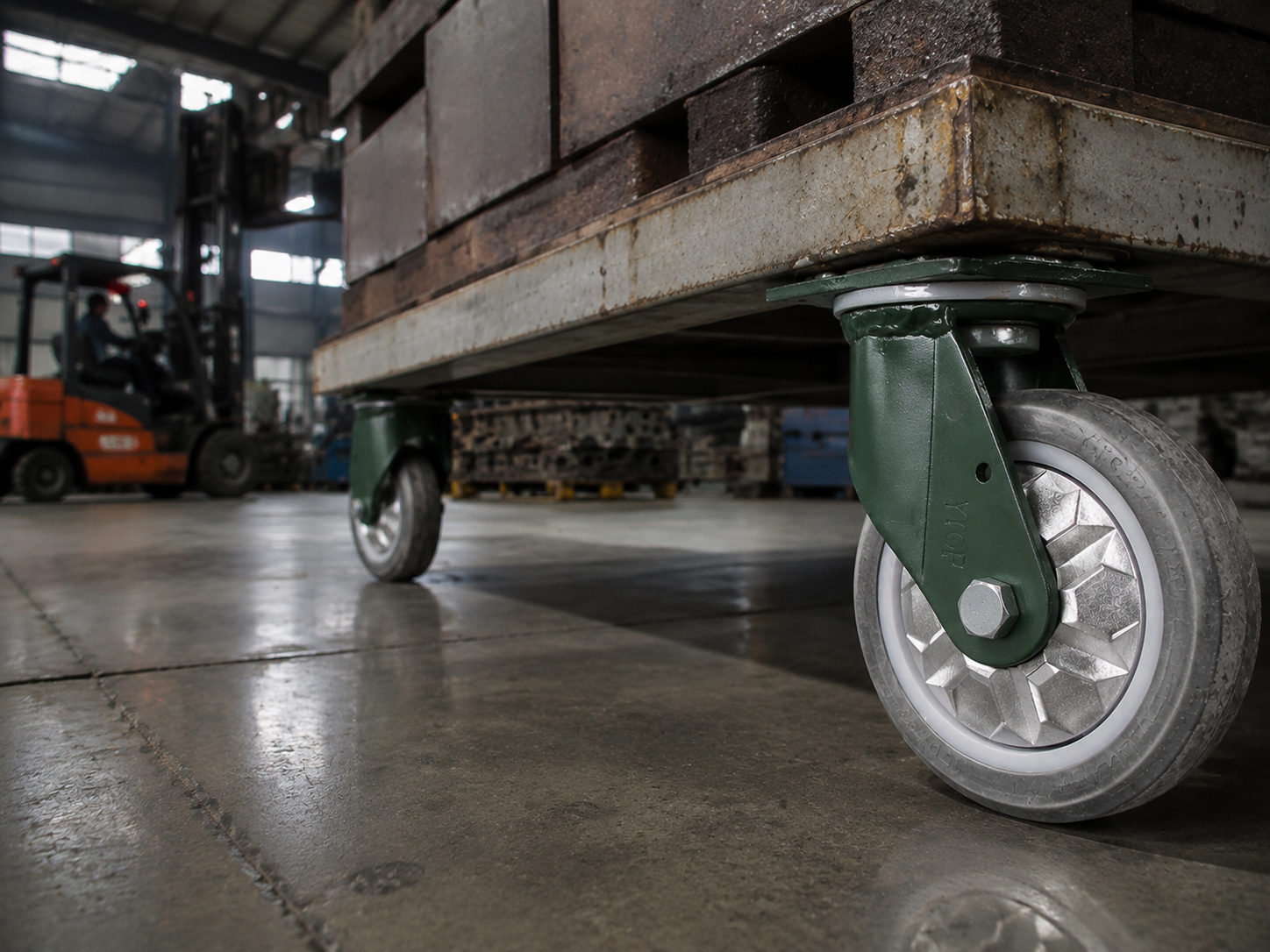
Luggage carts and travel carts are designed to transport luggage and travel items efficiently in airports, train stations, hotels, and other travel environments. Airport luggage carts typically feature a sturdy metal frame, large wheels for navigating various surfaces, a platform or basket for luggage, and a handle for pushing or pulling. These carts are often available for rental or use at airports and train stations, providing travelers with a convenient way to transport multiple pieces of luggage. Hotel luggage carts, also known as bellman carts, feature a more elegant design with polished metal finishes, carpeted platforms, and large wheels, designed for use in hotel lobbies and guest areas.
Personal travel carts and folding luggage carts are compact, portable devices that travelers can bring with them to transport luggage through airports, hotels, and other travel environments. These carts typically feature a lightweight folding design, small wheels, and a telescoping handle, making them easy to store in luggage when not in use. Travel cart design prioritizes portability, weight capacity for typical luggage loads, ease of maneuvering in crowded spaces, and durability for frequent travel use.
Wheel Requirements for Travel Carts
The wheels on travel carts are typically designed for smooth rolling on various surfaces including carpet, tile, and pavement.
Warehouse and Industrial Carts
Warehouse and industrial carts are heavy-duty material handling tools designed for transporting goods, materials, and equipment in industrial environments including warehouses, factories, distribution centers, and manufacturing facilities. These carts are typically constructed from heavy-gauge steel with robust wheels designed to handle heavy loads and navigate industrial floor surfaces. Common types of industrial carts include platform carts, which feature a flat platform for carrying bulky items; utility carts, which feature multiple shelves or bins for organized transport; order picking carts, designed for warehouse order selection; and pallet carts, designed for transporting palletized goods.
Design Priorities for Industrial Carts
Industrial cart design prioritizes load capacity, durability, maneuverability in industrial environments, and compatibility with warehouse operations. The wheels on industrial carts are critical components that must handle heavy loads, navigate concrete and epoxy floors, resist damage from debris and impacts, and provide reliable performance over thousands of cycles. Heavy duty industrial carts often use polyurethane, nylon, or rubber wheels with robust bracket constructions, precision bearings, and appropriate load ratings. The selection of appropriate wheels for industrial carts significantly impacts cart performance, maintenance requirements, and service life in demanding industrial environments.
Food Service and Hospitality Carts
Food service and hospitality carts are specialized carts designed for use in restaurants, hotels, catering operations, cafeterias, and other food service environments. These carts include serving carts for transporting food and beverages to tables, bussing carts for clearing tables and transporting dirty dishes, room service carts for hotel guest room delivery, catering carts for off-site food service, and beverage carts for serving drinks. Food service carts typically feature stainless steel construction for easy cleaning and sanitation, multiple shelves or tiers for organized transport, and wheels designed for quiet operation in dining environments.
Sanitation and Quiet Operation
The design of food service carts prioritizes sanitation and ease of cleaning, quiet operation to avoid disturbing diners, maneuverability in crowded dining areas, capacity for typical food service loads, and aesthetic appearance appropriate for hospitality environments. The wheels on food service carts are particularly important for quiet operation, as noisy wheels can disrupt the dining experience and reduce customer satisfaction. Food service cart wheels typically use soft polyurethane or rubber tread materials for noise reduction, with precision bearings for smooth rolling and appropriate load ratings for typical food service loads. The non-marking properties of these wheels also protect polished floors in dining areas.
Medical and Healthcare Carts
Medical and healthcare carts are specialized carts designed for use in hospitals, clinics, nursing homes, and other healthcare facilities. These carts include medication carts for transporting and administering medications, treatment carts for medical procedures, emergency carts (crash carts) for emergency response, isolation carts for infection control, linen carts for transporting clean and dirty linens, and patient transport carts. Medical carts typically feature durable construction, multiple drawers or compartments for organized storage, locking mechanisms for security, and wheels designed for quiet, smooth operation in healthcare environments.
Infection Control and Quiet Mobility
The design of medical carts prioritizes infection control and easy cleaning, security for medications and sensitive items, organization of medical supplies and equipment, quiet operation to avoid disturbing patients, maneuverability in hospital corridors and patient rooms, and reliability for critical healthcare applications. The wheels on medical carts are critical for providing smooth, quiet, reliable mobility in healthcare environments. Medical cart wheels typically use non-marking polyurethane or rubber tread materials for floor protection and noise reduction, with precision bearings for smooth rolling and appropriate load ratings. The antimicrobial properties of some wheel materials and the ease of cleaning and disinfection are also important considerations for healthcare applications.
Office and Furniture Carts
Office and furniture carts include a wide variety of mobile carts designed for office, educational, and residential environments. These include printer carts for computer printers and peripherals, file carts for transporting documents and files, AV carts for audio-visual equipment, computer carts for desktop computers, kitchen carts for food preparation and storage, laundry carts for transporting laundry, and utility carts for general household and office use. Office and furniture carts typically feature lighter construction than industrial carts, with designs that prioritize aesthetics and compatibility with home or office environments.
The design of office and furniture carts prioritizes aesthetics and compatibility with interior design, maneuverability in home and office spaces, appropriate load capacity for typical office or household items, ease of assembly and use, and value for consumer markets. The wheels on office and furniture carts are typically smaller and lighter than industrial cart wheels, designed for smooth rolling on carpet, hardwood, tile, and other home or office flooring materials. These wheels often use polyurethane or rubber tread materials for floor protection and quiet operation, with swivel casters for maneuverability and sometimes brakes for securing the cart in place. The non-marking properties of these wheels are particularly important for protecting hardwood and other delicate flooring surfaces.
Specialized Carts and Applications
Beyond the common cart categories, there are numerous specialized carts designed for specific applications and industries. These include library book carts for transporting and shelving books, mail carts for postal and interoffice mail delivery, gardening carts for transporting tools and plants, fishing carts for transporting fishing gear to shore or pier, photography carts for transporting camera equipment, music stands and instrument carts for musicians, and custom carts designed for unique or specialized applications. Each specialized cart type is designed with features and specifications tailored to the specific needs of its intended application.
Specialized cart design often involves unique requirements related to the specific application, including unusual load shapes or weights, specific environmental conditions, unique maneuverability requirements, specialized storage or organization needs, and regulatory or safety requirements. The wheels on specialized carts must be selected to meet these unique requirements, whether that involves heavy load capacity for industrial applications, corrosion resistance for outdoor or marine environments, non-marking properties for delicate floors, noise reduction for quiet environments, or specialized tread designs for specific floor surfaces. The selection of appropriate wheels is critical for ensuring that specialized carts perform reliably and effectively in their intended applications.
Choosing the Right Cart for Your Needs
With the wide variety of carts available, selecting the right cart for your specific needs requires careful consideration of several key factors. First, determine the primary application and environment in which the cart will be used, as this will influence the appropriate cart type, construction, and wheel selection. Second, consider the load capacity requirements, including both the typical load and the maximum load the cart may need to carry. Third, evaluate the floor surfaces and environmental conditions the cart will encounter, as this will influence wheel material and design. Fourth, consider maneuverability requirements, including the space available for turning and the frequency of direction changes. Fifth, evaluate durability and maintenance requirements, particularly for high-volume or industrial applications. Finally, consider budget and value, balancing initial cost against expected service life and performance.
The wheels are among the most critical components of any cart, significantly impacting performance, maintenance requirements, noise level, floor protection, and service life. When selecting cart wheels, consider the load capacity requirements, floor surface conditions, environmental factors (temperature, moisture, chemicals), desired noise level, need for brakes or locks, mounting type and dimensions, and expected frequency of use. By carefully selecting the appropriate cart and wheels for your specific application, you can ensure reliable performance, reduce maintenance costs, and maximize the value and utility of your cart investment. Whether for simple household use or demanding industrial applications, the right cart with the right wheels can make material handling easier, safer, and more efficient.
Frequently Asked Questions
What is the most common type of cart?
Four-wheel platform and utility carts are the most common, because they balance load capacity, maneuverability, and cost. In retail, wire shopping carts dominate; in industry, two-shelf utility carts and flat platform carts are the workhorses.
How do I choose the right wheels for a cart?
Match the wheel diameter to the heaviest obstacle on the route, choose the tread material for floor protection and noise (soft polyurethane for indoor floors, hard nylon for light duty), and divide the loaded cart weight by three to confirm the per-wheel caster rating. Always add a safety margin of at least 30 percent.
Are folding carts less durable than fixed carts?
Not necessarily. A well-designed folding cart uses steel hinges and locking mechanisms that are as strong as a fixed frame when deployed. The main trade-off is a slightly lower maximum load and a hinge that must be inspected periodically for play or wear.
What is the difference between a cart and a trolley?
The terms are interchangeable in most industries. In British English and logistics contexts, “trolley” is more common; in American English and retail, “cart” is preferred. Both describe a wheeled platform or basket used to move goods by hand.
Related Reading
Explore more hand truck, trolley, and cart application guides:
- Applications of Hand Trucks Made from Different Materials — Learn about hand truck material applications including cart types for shopping and traveling.
- Analysis of the Whole Process of Making a Handcart — Learn about handcart manufacturing process including cart construction for various applications.
- Guidelines for the Safe Use of Trolleys — Learn about trolley safe use guidelines including cart safety for shopping and traveling applications.
- Zhuo Ye Manganese Steel Trolley: Practical and Convenient Handling Tools — Learn about Zhuo Ye manganese steel trolley practical and convenient handling including cart applications.
- Zhuo Ye Manganese Steel Trolley vs Ordinary Trolley: Quality Battle — Complete comparison of Zhuo Ye manganese steel trolley and ordinary trolley quality including cart characteristics.
Explore our complete range of cart-compatible medium-duty casters (100-190kg) and light-duty casters (35-80kg) for shopping and traveling carts, or contact our product team for expert cart caster selection guidance.
Post time: Jul-15-2024