
What do heavy-load equipment fear most? Swaying. When equipment sways, at best operation becomes unstable, at worst it tips over. And equipment stability is directly related to the center-of-gravity design of the wheels.
Low-center-of-gravity casters are a design aimed squarely at “stability.”
The Lower the Center of Gravity, the Less Likely to Tip Over
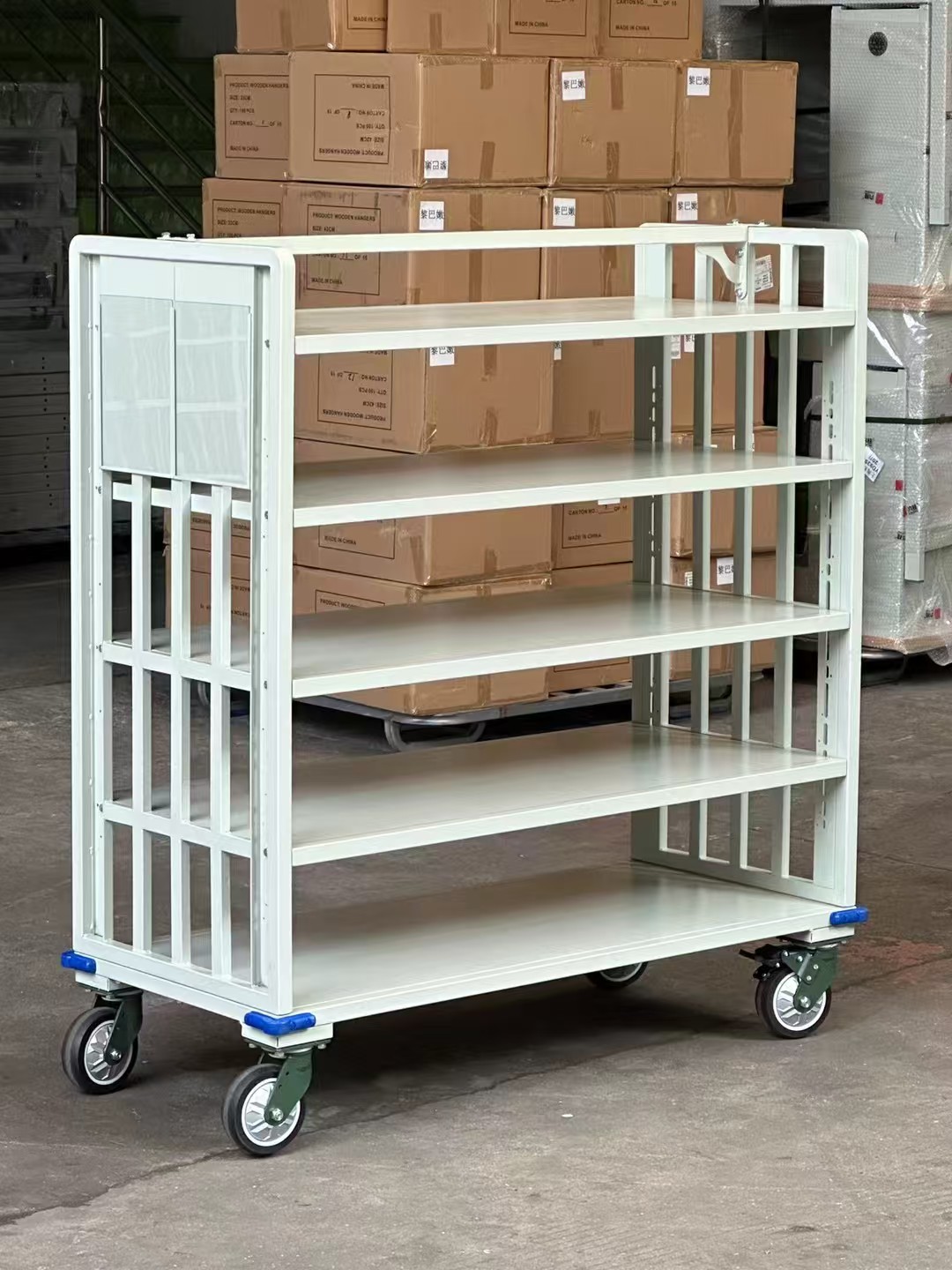
The relationship between center of gravity and stability is common physics knowledge: the lower the center of gravity, the less likely an object is to tip over.
When equipment has a high center of gravity, the lever arm of gravity during tilting is long, and it easily tips over with a slight deviation; with a low center of gravity, at the same tilt angle, the torque of gravity “pulling” the equipment back is more favorable, and the stability margin is much larger.
Casters are the lowest support points of equipment, and the center-of-gravity design of casters directly affects the overall stability of the equipment. The idea of low-center-of-gravity casters is to compress the height of the wheel set itself, lowering the overall center of gravity of the equipment.
Low Center of Gravity Is Achieved Through Structure

Low center of gravity is not a slogan — it is pressed out step by step in structural design:
First, lower the bracket height. Make the bracket structure compact, reducing unnecessary vertical space, so the mounting plane is as close to the floor as possible.
Second, select a reasonable wheel diameter within load requirements. Do not blindly increase wheel diameter just to raise height — wheel diameter only needs to satisfy load capacity and passability.
Third, while lowering the center of gravity, the structural strength of brackets and hubs must be sufficient. Both stability and load capacity are needed — with the center of gravity pressed down, structural strength cannot shrink.
Only when these three points come together is it truly a low-center-of-gravity design.
Which Scenarios Are Suitable?
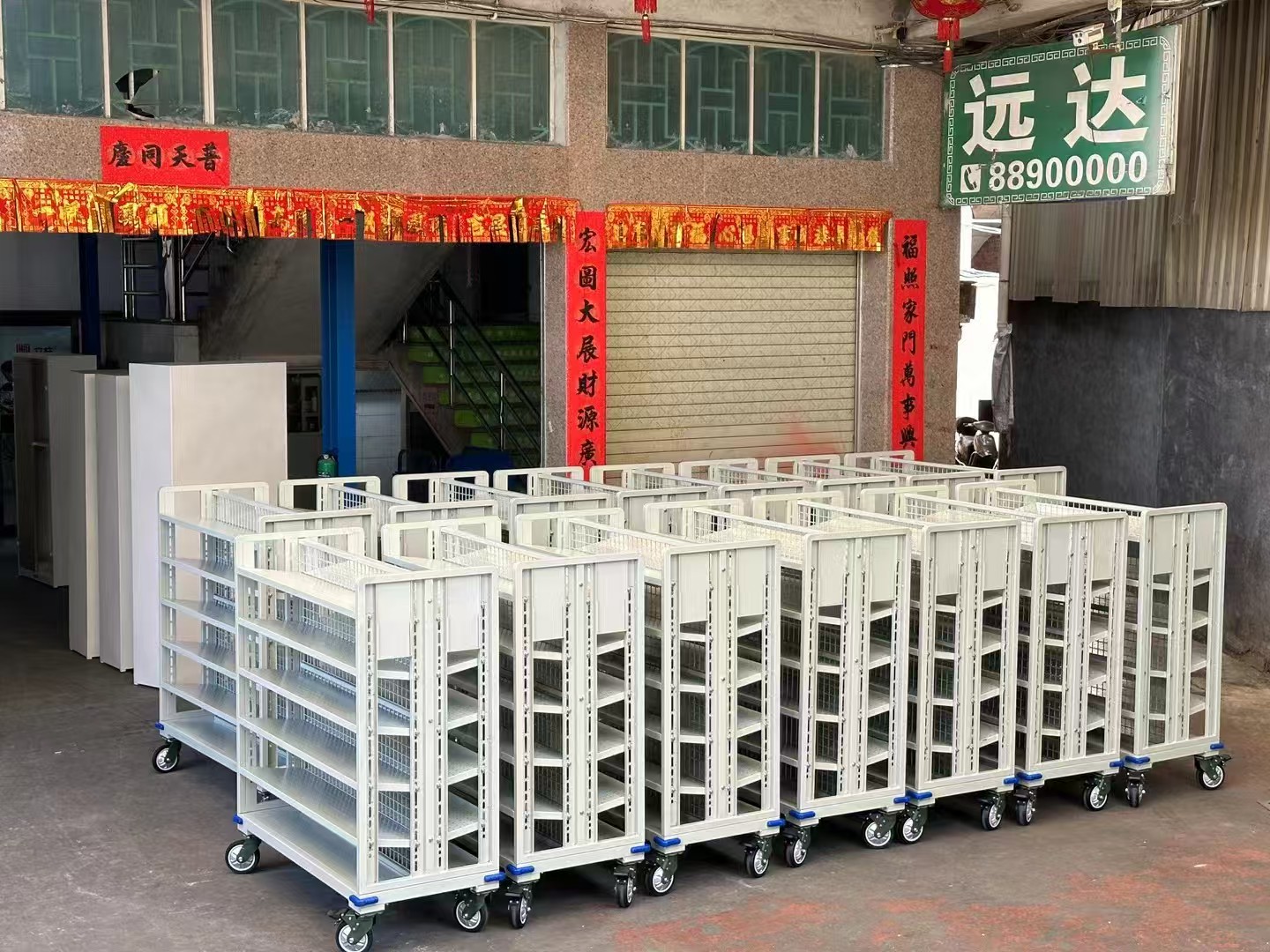
The applications of low-center-of-gravity casters are relatively clear:
Heavy-load equipment with a high center of gravity itself — if wheels further raise the center of gravity, tipping risk increases, and low center of gravity is a corrective measure.
Fast-moving equipment — the faster the speed, the higher the stability requirement, and low center of gravity can reduce the risk of dynamic loss of control.
Precision equipment transport — swaying directly affects precision components, and low center of gravity reduces swaying.
Slope handling scenarios — the lower the center of gravity under slope conditions, the safer.
Zhuoye’s low-center-of-gravity specifications use a compact bracket structure to lower height, while simultaneously configuring thickened base plates and sealed bearings according to heavy-load grades — compact structure but undiminished load capacity, suitable for the above “stability-first” scenarios.
Low Center of Gravity Also Has a Cost
Low center of gravity is not the lower the better — there is a cost to balance.
With smaller wheel diameter, passability decreases, and the ability to cross thresholds and ditches weakens; with compact bracket structure, requirements for mounting space are stricter. Therefore, low-center-of-gravity selection depends on the scenario: it is worth using for equipment where heavy-load stability is prioritized, but not necessary for scenarios where passability is the main focus.
In one sentence: low center of gravity suits scenarios that “need stability,” not scenarios that “need to cross obstacles.”
Related Reading
- Low Center of Gravity Casters: Stable & Durable
- Heavy Duty Industrial Casters
- Super Heavy Duty Casters (700-1600kg)
Post time: Sep-20-2026