
Some carts steer lightly when pushed, going wherever pointed; some carts steer stiffly, requiring force to wrench the cart to change direction. The difference is often not in the tread, but in the inconspicuous swivel at the top of the caster, and the often-overlooked washer inside that swivel.
The Swivel Is the Busiest Joint in Casters
Casters can steer thanks to the swivel structure at the top: upper plate, lower plate, with a row of steel balls or rollers sandwiched in between, allowing relative rotation between upper and lower plates. Its function is to let the caster freely rotate in the horizontal direction, so the cart can go in any direction.
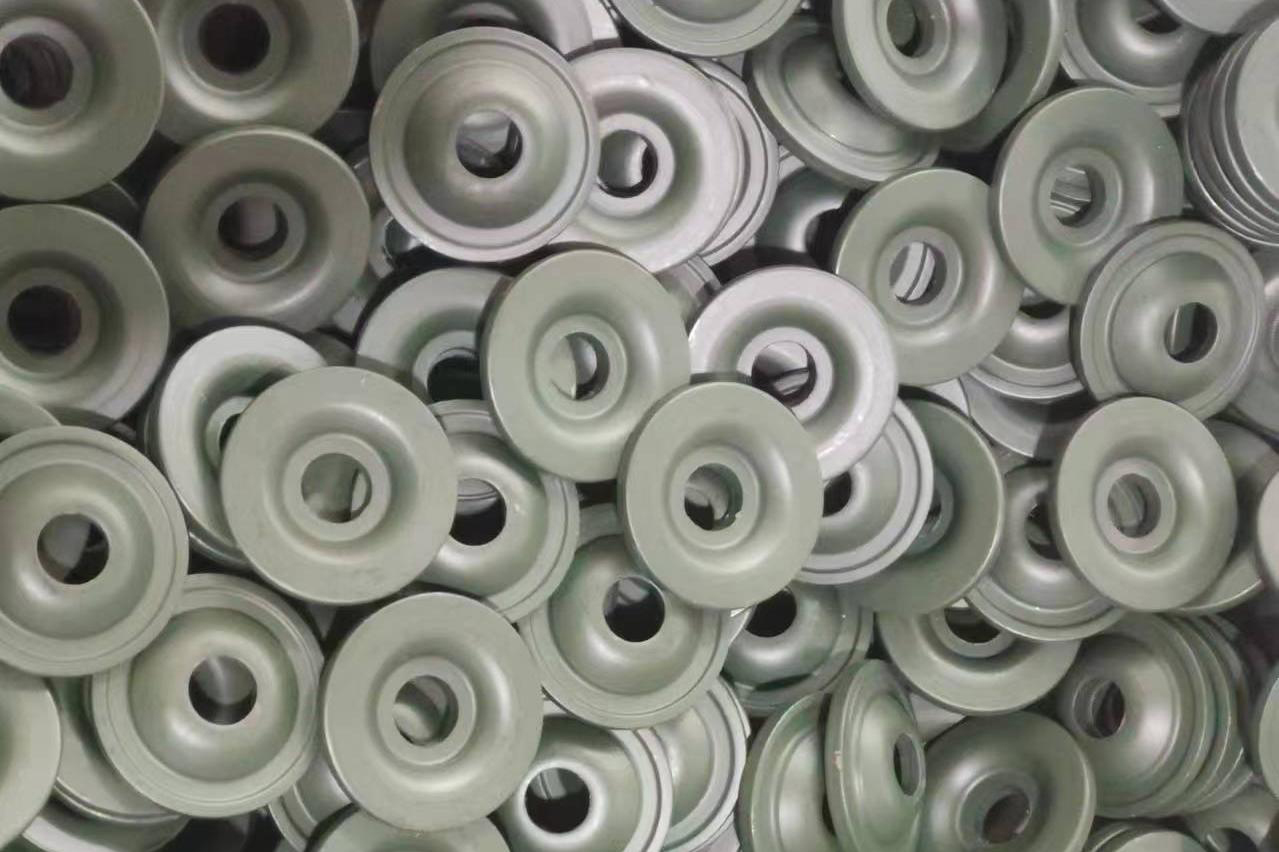
The swivel bears not only vertical load — friction and impact during steering are also all pressed on it. Pushing carts hundreds of times a day, the swivel operates more times than the wheel itself, and its smoothness directly determines the cart’s operating feel.
What Does the Washer Do in the Swivel
The swivel washer sounds small, but its function is critical, mainly three things.
First is reducing friction. The washer changes metal-to-metal hard friction into metal-to-washer sliding friction, steering is smoother, and pushing is labor-saving.
Second is protecting upper and lower plates. Without a washer, upper and lower plates directly grind against each other, wearing away the part bodies themselves, and this kind of wear is hard to repair. The washer is equivalent to using a cheap, easily replaceable small part to protect two expensive, hard-to-replace large parts.
Third is adjusting clearance. Washer thickness can compensate for installation tolerances, so that the swivel neither loosens nor seizes during rotation. The same batch of casters installed on different carts has different clearance feel, and many times it’s whether washer thickness is appropriately matched.
How Steel Balls and Washers Cooperate
Steel balls in the swivel are responsible for rolling load bearing, with load mainly pressed on the steel ball row — rolling friction is far smaller than sliding friction, which is the basis of swivel smoothness. The washer acts as a backup — part of the impact during steering is absorbed by the washer, so steel balls are less easily injured; after grease is added to the swivel, steel balls roll more smoothly, and washer wear is also slower. Only when the two cooperate well can the swivel be both smooth and durable.
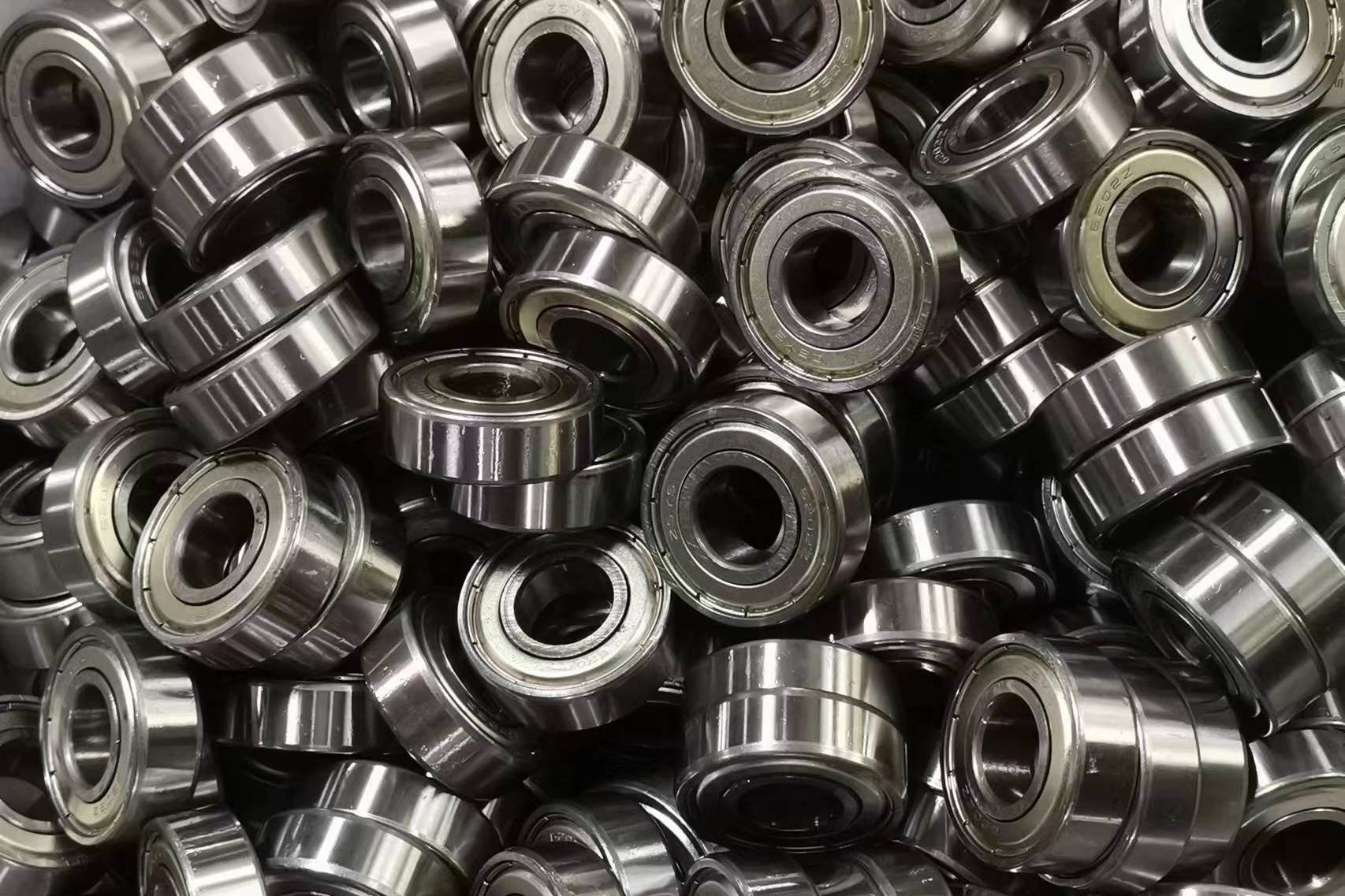
The lubrication step is easily overlooked. Casters generally have grease in the swivel at the factory, but after long use grease dries up or is washed away, and swivel stiffness is often not because parts are broken, but because of lack of oil.
What Signals Does Washer Wear Give
When the washer wears thin or is worn out, there are several obvious signals: steering stiff, requiring great force to turn; hearing a “clunk” sound of metal hitting metal during steering, mostly the washer has worn through and upper/lower plates start direct contact; lifting the cart, the caster can shake up and down, indicating clearance has exceeded standards.
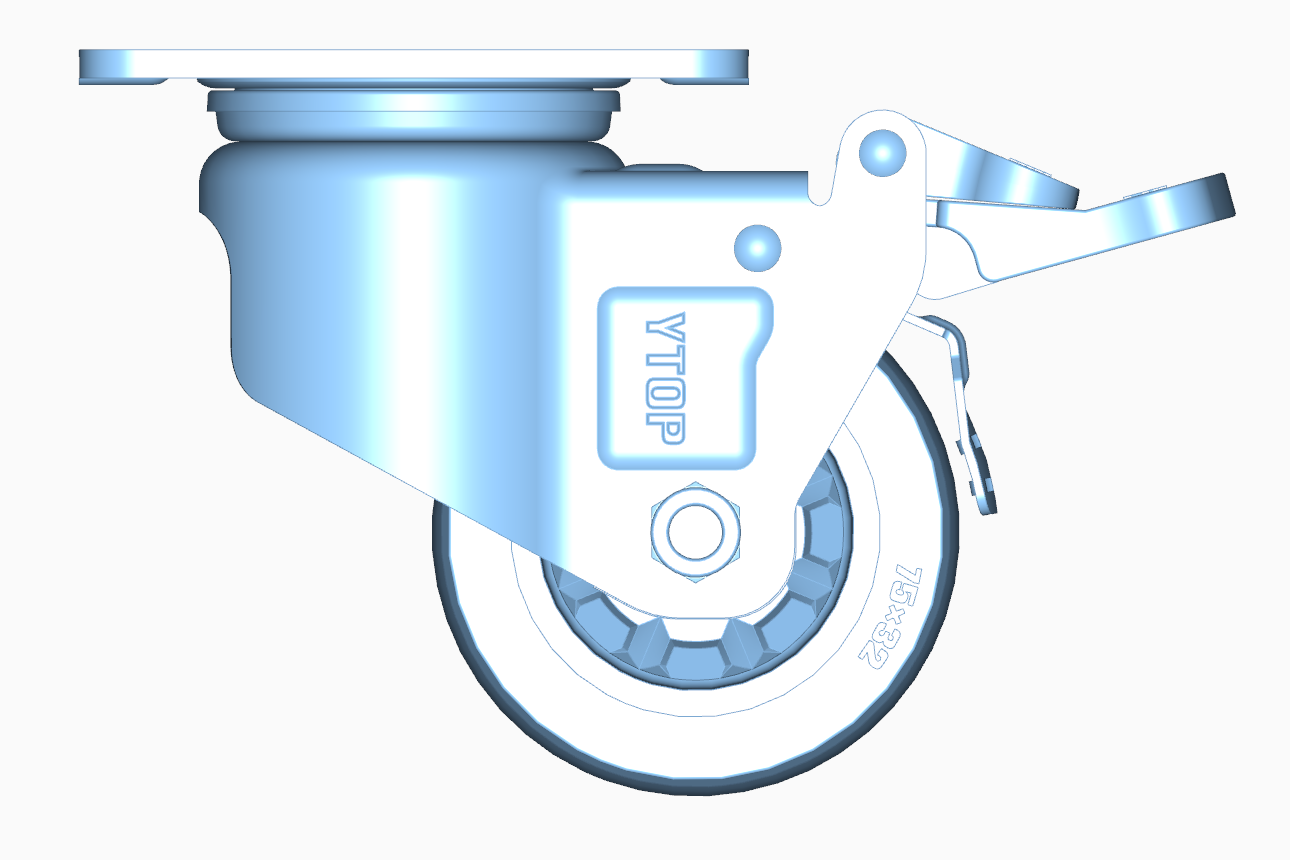
Don’t delay when these signals appear. Replacing a washer costs very little, a matter of minutes — delaying means what gets worn out is the entire swivel, and replacement cost is another order of magnitude.
Practices to Keep the Swivel Smooth
Doing a few small things for daily maintenance is enough. Replenish grease to the swivel according to usage cycle, don’t wait until it’s stiff to handle; lint and iron chips tangling into swivel gaps accelerate wear, clean in time; don’t long-term overload — when overloaded, pressure borne by the swivel multiplies, and neither washers nor steel balls can hold up.
The swivel washer is a typical example of “small part, big function” in casters — it uses its own wear in exchange for the swivel’s smoothness and lifespan. During purchase, you can ask one more question about what grease is used in the steering part and what material the washer is — these two points determine how long the swivel can stay smooth. Zhuoye manganese steel casters’ swivel parts are filled with molybdenum disulfide lithium-based grease before leaving the factory, which is also one source of its anti-wear and low-friction performance.
Related Reading
Looking for more on caster steering and swivel bearings? Explore these related articles:
- Universal Wheel: The Driver Behind Flexible Steering — how the turning head lets a cart change direction smoothly.
- What Are the Advantages of Caster Pressure Bearings? — how thrust and pressure bearings carry steering loads.
Explore our complete range of heavy-duty casters (150-610kg) with smooth, durable swivels, or contact our engineering team for washer and grease details.
Post time: Oct-31-2026