
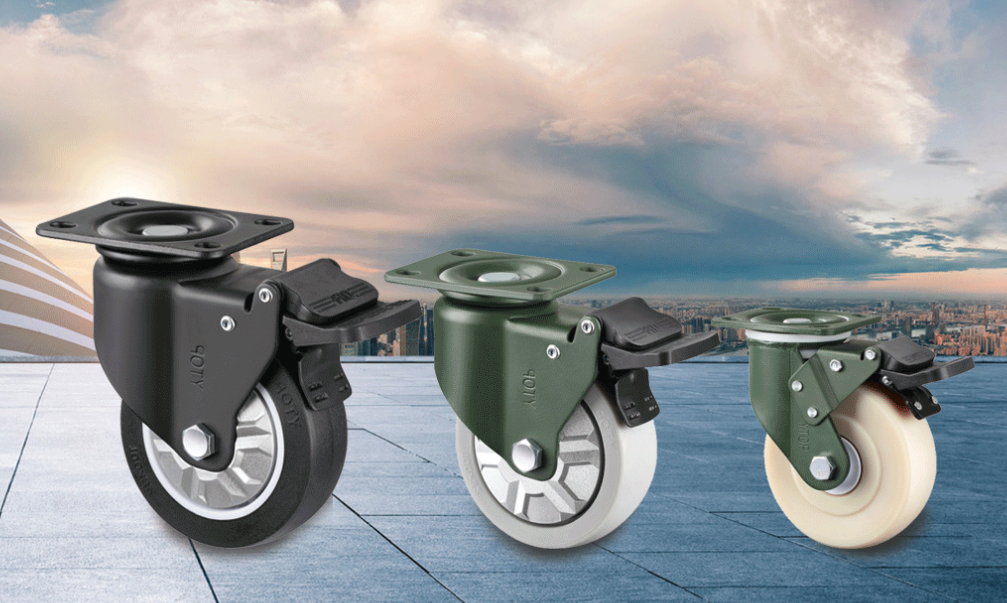
As an important support component of mobile equipment, casters’ load-bearing capacity is directly related to the stability and safety of the equipment. However, the load-bearing capacity of casters does not exist in isolation, but is affected by a combination of factors. This article will provide an in-depth analysis of the factors closely related to the caster’s load-bearing capacity from aspects such as material, structure, size and usage environment.
1. The influence of materials on load-bearing capacity
The material of casters is one of the key factors that determines their load-bearing capacity. Common caster materials include rubber, polyurethane, nylon and metal. Different materials have different physical properties and load-bearing capabilities. For example, casters made of metal usually have high load-bearing capacity and durability and are suitable for heavy-load situations; casters made of rubber or polyurethane have better elasticity and shock-absorbing properties and are suitable for situations that require higher stability.
2. The impact of structure on bearing capacity
The structural design of casters also has an important impact on load-bearing capacity. Reasonable structural design can ensure that the casters can evenly distribute pressure when bearing heavy objects and avoid local overloading. In addition, the accuracy and durability of key components such as caster bearings and axles are also important factors that affect the load-bearing capacity. High-quality bearings can reduce friction and wear and increase the load-bearing capacity and service life of casters.
3. The influence of size on carrying capacity
The size of the casters is also an important factor affecting their load-bearing capacity. Generally speaking, casters with larger diameters provide better stability and load-bearing capacity because they are able to disperse more pressure. At the same time, the width and thickness of the casters will also affect their load-bearing performance. A wider wheel surface can provide a better support area and increase the stability of the caster; while a thicker rim can provide better impact resistance and improve the durability of the caster.
4. Impact of usage environment on carrying capacity
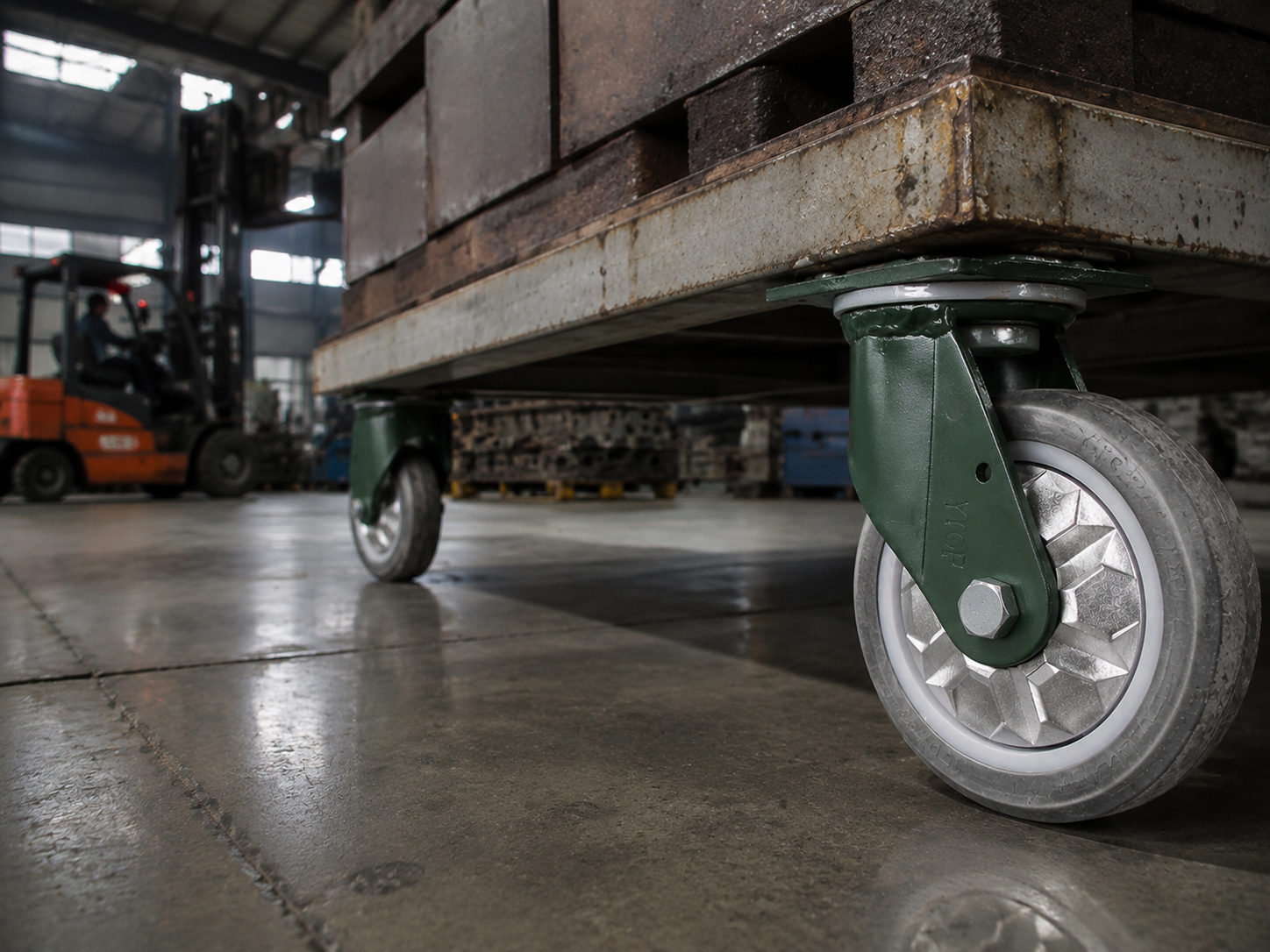
The environment in which casters are used is also a factor that cannot be ignored that affects their load-bearing capacity. Different environments have different requirements for the material, structure and performance of casters. For example, casters used in humid or corrosive environments need to have better corrosion resistance; casters used in high or low temperature environments need to have better heat or cold resistance. In addition, the flatness, hardness and friction coefficient of the ground will also affect the load-bearing capacity of the casters.
To sum up, the load-bearing capacity of casters is closely related to many factors such as material, structure, size and usage environment. When selecting and using casters, we need to consider these factors comprehensively to ensure that the casters can meet the actu
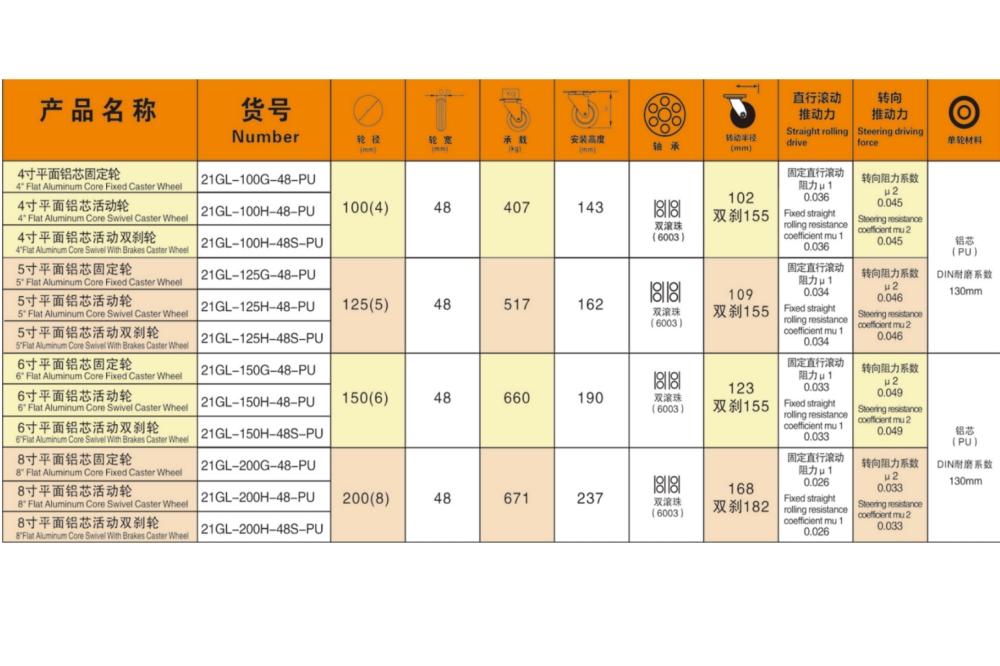
al needs of the equipment and the challenges of the use environment. Through scientific and reasonable selection and use, we can improve the load-bearing capacity and service life of casters, providing a strong guarantee for the stable operation of equipment.
Related Reading
Looking for more in-depth caster guides and industrial mobility resources? Explore these related articles:
- Heavy-Duty Casters Selection Guide — Learn how to select the right heavy-duty casters for your equipment, including load calculation, material selection, and braking systems.
- Extra Heavy Duty Casters: Full Analysis — An in-depth look at extra heavy duty casters, including features, load capacity specifications, structural design, and industry applications.
- PP vs TPR Casters: A Complete Comparison Guide — Understand the key differences between polypropylene and thermoplastic rubber caster wheels for industrial applications.
- Rubber vs Nylon Casters: Which is Right for You? — A detailed comparison of rubber and nylon caster wheels, covering performance characteristics and selection criteria.
- Caster Maintenance Tips — Maximize the lifespan of your industrial casters with this comprehensive maintenance guide covering inspection, lubrication, and replacement.
Explore our complete range of heavy-duty casters (150-610kg) and super heavy-duty casters (700-1600kg), or contact our engineering team for expert guidance on selecting the perfect caster solution for your industrial application.
Post time: May-18-2026