
PU and TPU, names both carry “polyurethane,” and many purchasers think they are one thing. Actually the two’s material system, craft, performance, price, and applicable scenarios all differ, and confusing them during selection easily causes problems.
Material Difference: Cast PU vs Thermoplastic PU

PU in the caster industry generally refers to cast polyurethane (CPU). Cast PU is thermosetting material, liquid raw materials mixed then poured into molds and heated to cure, and after curing molecular chains crosslink into three-dimensional network, cannot melt again. TPU is thermoplastic polyurethane, granular material heated and injection molded, molecular chains linear, can be repeatedly heated and cooled. This molecular-level difference determines a chain of differences.
In craft, cast PU one wheel needs pouring, curing, demolding, production cycle measured in ten minutes to hours, suitable for small batches and multiple varieties; TPU injection molding one wheel in a few minutes, high efficiency, suitable for large batch standard parts. Don’t rush to compare “which is better” — the two approaches are different.
Performance Comparison
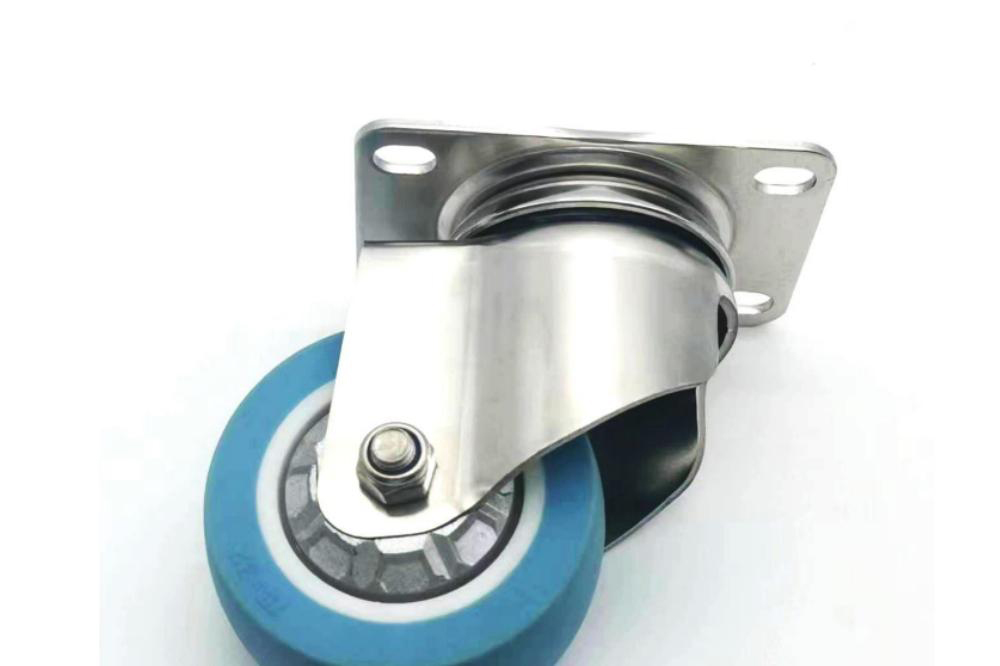
In performance, cast PU’s advantage lies in design space: wide hardness range (Shore A 60-98°, can also achieve Shore D high hardness segment), formula can be adjusted according to working conditions, wear resistance, high temperature resistance, anti-static, low dust generation all achievable, and temperature resistance range also wider. TPU’s hardness and formula adjustment both limited by injection molding craft, range narrow, but in exchange is good batch consistency and price advantage.
In wear resistance and tear resistance these two items, cast PU usually better, TPU also sufficient, and the gap is the difference between “better” and “good,” not a generational gap.
Which to Choose for Your Application
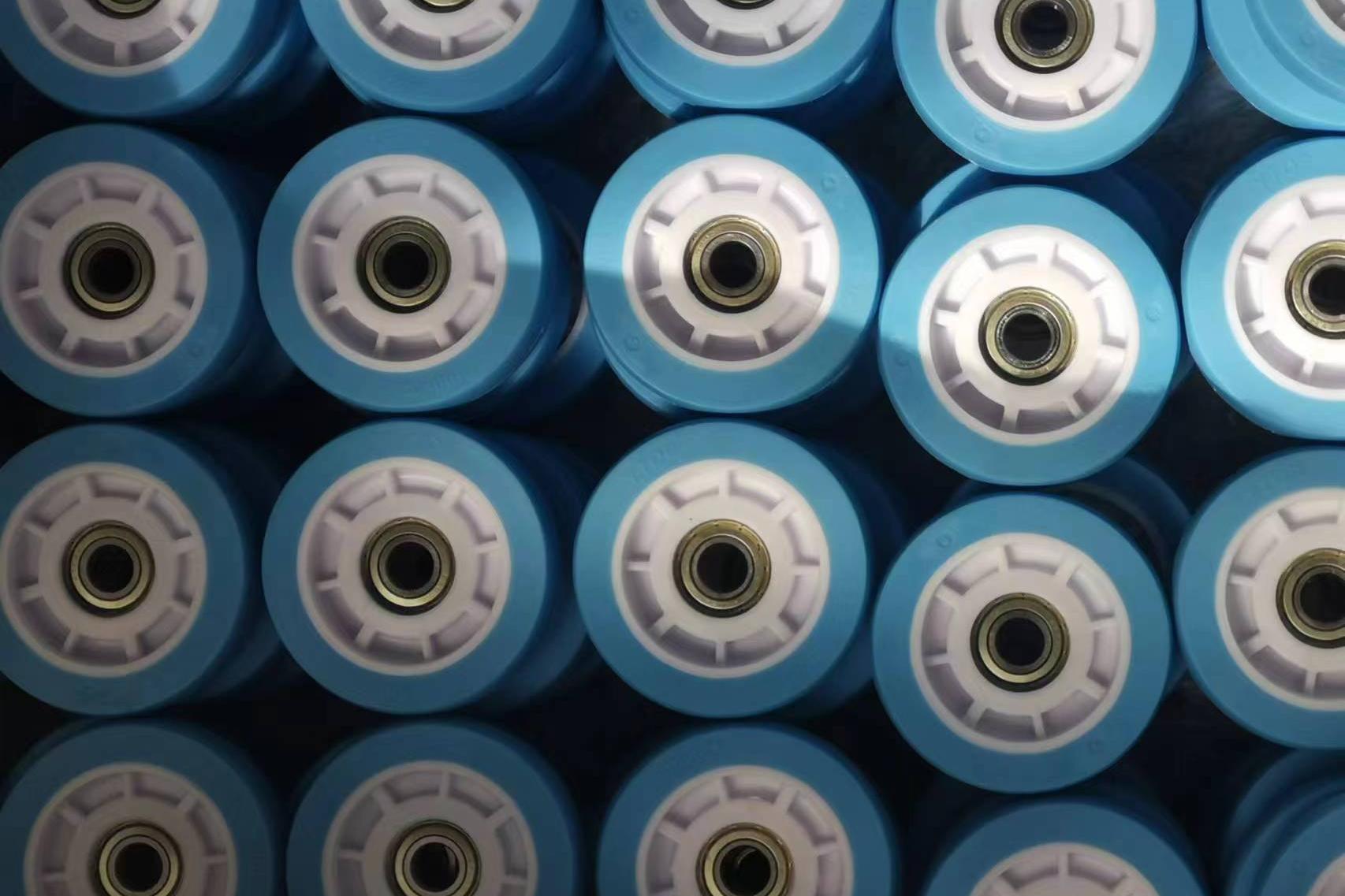
How to decide when selecting casters, focus on working conditions:
Choose Cast PU when: Per-wheel load is large (above 200kg), high-frequency continuous operation (above 10 hours a day), with special requirements such as high temperature, low temperature, oil resistance, anti-static, or valuing wear resistance life. The money paid for formula and life is worth it.
Choose TPU when: Light load (below 100kg), intermittent operation, normal temperature standard environment, large batch mass production projects, or budget sensitive. TPU cost-performance is higher.
There are also mixed configuration methods: drive wheels use cast PU for wear resistance, driven wheels use TPU for cost control, and this type of solution is not uncommon in actual projects.
How to Distinguish PU vs TPU Visually
Distinguishing the two wheels also has practical methods: cast parts surface often can see casting marks or parting lines, color may not be uniform enough; TPU injection parts surface smooth, color uniform. In hardness, cast PU can be made very soft (Shore A 60-80°), TPU generally not that low, and encountering particularly soft tread, mostly is cast. In price, same specification cast PU generally 20-30% more expensive.
The most stable method is looking at product instructions — regular manufacturers’ instructions will mark material type, and those only writing “PU” or “polyurethane” not marking cast or thermoplastic, just ask the factory. This relates to selection and expected life, and confirming is worth it.
Related Reading
Post time: Sep-22-2026