
The bearing wheel vs universal wheel comparison addresses a common source of confusion in caster terminology. Bearing wheels refer to casters equipped with precision bearings (ball, roller, or tapered) for smooth rolling, while universal wheels describe the swivel function that enables 360-degree rotation. In reality, these are not mutually exclusive categories but rather two different aspects of caster design. This guide clarifies the distinction, explains how bearings and swivel mechanisms work together, and helps you select the optimal combination for your application.
Understanding Bearing Wheels
What Are Bearing Wheels?
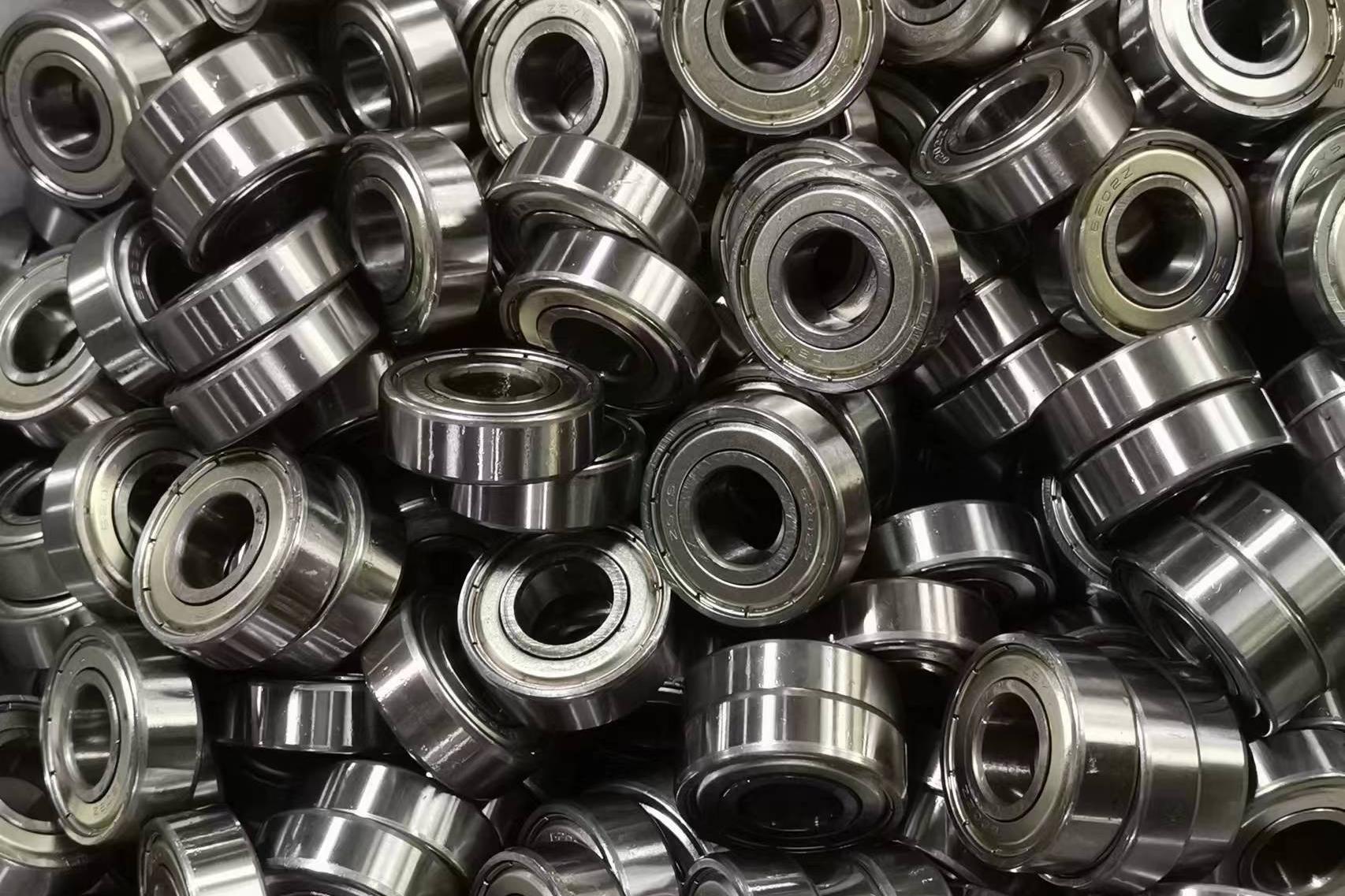
Bearing wheels are caster wheels that incorporate precision bearing systems to reduce friction and enable smooth rotation. The bearing sits between the wheel hub and the axle, allowing the wheel to spin with minimal effort. Common bearing types include ball bearings (precision, low-friction), roller bearings (higher load capacity), tapered roller bearings (heavy-duty, dual-direction load handling), and plain bore (bushings, for light-duty applications).
Benefits of Quality Bearings
High-quality bearings dramatically reduce rolling resistance, making heavy loads easier to push. They also improve caster stability, reduce noise, and extend wheel life by minimizing friction-induced heat and wear. Precision ball bearings are ideal for light to medium duty applications requiring smooth, quiet operation. Tapered roller bearings excel in heavy-duty industrial casters where both radial and axial loads must be supported.
Understanding Universal Wheels
What Are Universal Wheels?
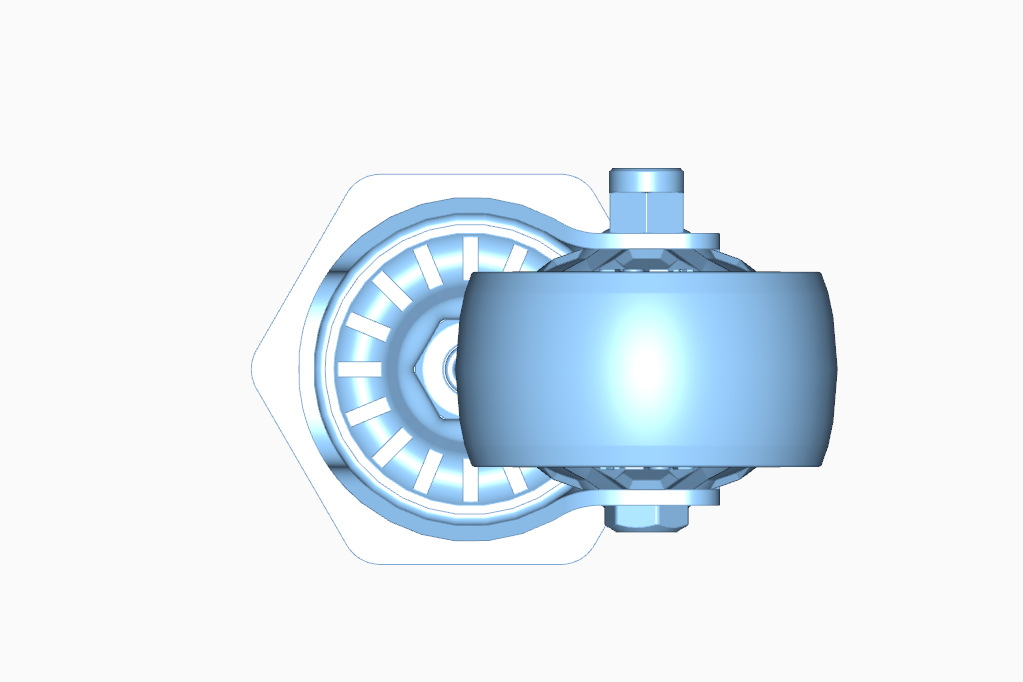
Universal wheels, or swivel casters, feature a rotating yoke assembly that allows the entire wheel fork to pivot 360 degrees around a vertical axis. This swivel action enables the caster to turn in any direction. The swivel assembly itself also uses bearings (typically ball bearings in concentric races) to ensure smooth rotation of the yoke. Universal wheels can be equipped with any type of wheel bearing, including ball, roller, or plain bore.
How Swivel Bearings Work
The swivel bearing assembly typically consists of upper and lower steel races with ball bearings between them. The ball bearings enable the yoke to rotate smoothly under load. In heavy-duty applications, thrust bearings or tapered roller bearings may be used to handle both vertical load and side thrust forces generated during turning.
Bearing Wheel vs Universal Wheel: Clarifying the Distinction
Two Different Design Aspects
The bearing wheel vs universal wheel comparison often stems from misunderstanding that these describe different design elements. Bearings determine how smoothly the wheel rotates around its axle. The swivel (universal) function determines whether the yoke can rotate around a vertical axis. A caster can be both a bearing wheel (with precision wheel bearings) AND a universal wheel (with a swivel yoke). In fact, most quality swivel casters incorporate both features.
Wheel Bearing Types
Ball bearings offer the smoothest rolling with the lowest starting resistance, ideal for light-duty applications. Roller bearings support heavier loads with moderate friction. Tapered roller bearings handle extreme loads and side forces, common in heavy-duty industrial casters. Bushing (plain bore) wheels are the most economical but require more effort to roll.
Swivel Bearing Types
Single ball race swivels are economical and suitable for light-duty casters. Double ball race swivels provide better load distribution and longer life. Tapered swivel bearings handle heavy loads and side thrust. Kingpinless swivel designs eliminate the kingpin weak point, ideal for extreme-duty applications.
Application Recommendations
Choose Precision Bearings For
Light-duty carts, office furniture, medical equipment, and any application where pushing force must be minimized. Ball bearings provide the smoothest rolling experience.
Choose Heavy-Duty Bearings For
Industrial carts, warehouse equipment, and loads exceeding 200kg per wheel. Tapered roller bearings offer superior durability and load capacity.
Bearing Types: Detailed Technical Comparison
Precision Ball Bearings
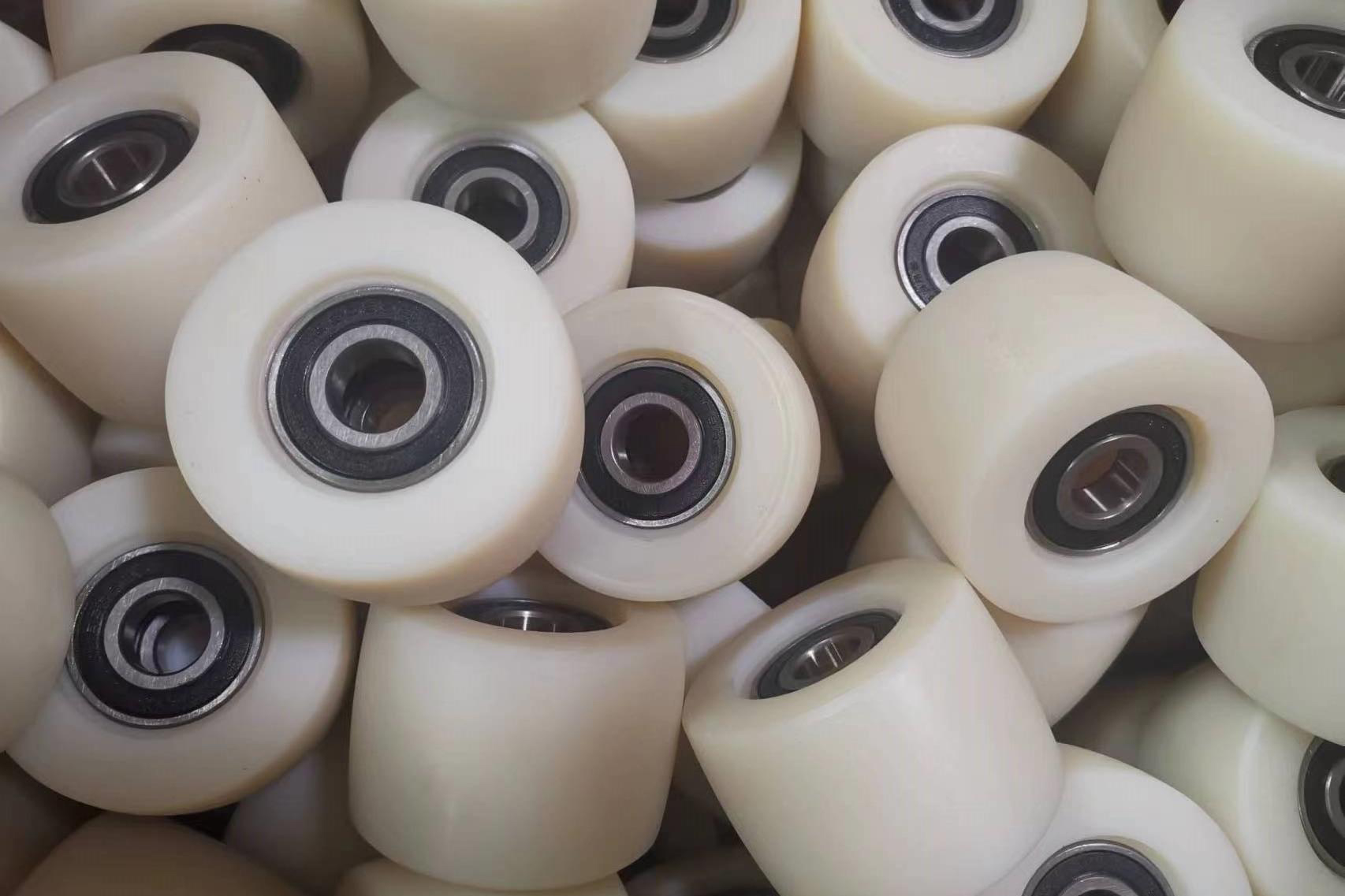
Ball bearings use hardened steel balls between inner and outer races to minimize friction. They offer the lowest rolling resistance of any bearing type, making them ideal for light-duty applications where pushing effort must be minimized. Precision ball bearings are sealed and pre-lubricated, requiring minimal maintenance. They are the standard choice for office furniture, medical equipment, and display carts.
Roller Bearings
Roller bearings use cylindrical rollers instead of balls, spreading the load over a larger contact area. This design supports higher radial loads than ball bearings. Roller bearings are common in medium-duty industrial casters, providing a balance between load capacity and rolling smoothness. They require periodic lubrication in dusty or wet environments.
Tapered Roller Bearings
Tapered roller bearings are the heavy-duty standard, designed to handle both radial and axial (side) loads. In swivel casters, tapered bearings in both the wheel hub and swivel assembly ensure smooth operation under extreme loads and during sharp turns. These bearings are essential for casters carrying loads over 300kg per wheel.
Bushings (Plain Bearings)
Bushings are the simplest and most economical bearing type, consisting of a plain bore with a sleeve or bushing. They are suitable for light-duty, infrequent-use applications. Bushings have higher rolling resistance and shorter service life but offer the lowest upfront cost.
Swivel Bearing Design Considerations
Kingpin vs Kingpinless Designs
Traditional swivel casters use a central kingpin bolt to hold the two ball races together. Kingpinless designs eliminate this weak point by using a single race with integrated rivets. Kingpinless swivels offer higher load capacity and are more resistant to side impact damage.
Bearing Seals and Protection
Quality caster bearings include rubber or metal seals to keep lubricant in and contaminants out. In dusty, wet, or chemical-exposed environments, sealed and shielded bearings are essential. Open bearing designs are suitable only for clean, dry indoor environments.
Maintenance and Longevity
Lubrication Best Practices
Use lithium-based or synthetic grease recommended by the caster manufacturer. Over-lubrication can damage seals and attract debris. Clean bearing housings before applying fresh grease. In normal indoor conditions, lubricate swivel and wheel bearings every 6 months. In dusty or outdoor environments, reduce the interval to every 2-3 months.
Signs of Bearing Failure
Hard or rough rolling, grinding noises, visible play in the swivel, or uneven wheel wear all indicate bearing problems. Replace bearings promptly to prevent damage to the wheel hub, fork, or axle. Early bearing replacement costs a fraction of the cost of repairing damaged caster components.
Application Case Studies
Medical Equipment Caster Selection
Hospital beds and patient lifts require precision ball bearings in both the wheel and swivel for silent, smooth movement. The low rolling resistance allows a single caregiver to maneuver a loaded bed. Sealed bearings prevent contamination in sterile environments. The bearing quality directly impacts patient comfort and caregiver safety.
Industrial AGV Applications
Automated guided vehicles (AGVs) demand precision bearings with consistent rolling resistance. Variations in bearing friction can disrupt navigation systems. Double-sealed precision ball bearings are standard for AGV applications, ensuring consistent performance across thousands of operating hours.
Office Furniture Caster Choices
Office chair casters use simple ball bearings or dual-ball race swivels. The light loads (under 50kg per caster) mean bearing longevity is measured in years of daily use. Quality bearings roll silently and smoothly on carpet and hard floors.
Cost vs Performance Trade-offs
Upgrading from bushings to ball bearings typically increases caster cost by 15-25%. Tapered roller bearings add another 20-30%. For light-duty applications, the performance difference may not justify the cost premium. However, in industrial settings where carts are pushed thousands of times daily, reduced rolling resistance translates directly to lower operator fatigue and higher productivity. Calculate the labor cost savings from easier pushing when evaluating bearing upgrades.
Conclusion
The bearing wheel vs universal wheel distinction is ultimately about two complementary aspects of caster design: the bearing system determines rolling efficiency and load capacity, while the swivel mechanism determines directional flexibility. High-performance casters combine both features seamlessly. When specifying casters for any application, evaluate both the wheel bearing type and the swivel bearing design to ensure optimal performance and longevity. Consult with a caster engineering specialist to match bearing specifications with your exact load, speed, and environment requirements.
Investing in quality bearings pays dividends in reduced maintenance, lower operator fatigue, and longer caster service life.
Frequently Asked Questions
Are all universal wheels equipped with bearings?
Most quality universal wheels have ball bearings in the swivel assembly. However, budget models may use bushings or plain bearings in the yoke. Always check specifications when selecting casters.
What bearing type is best for heavy loads?
Tapered roller bearings are the best choice for heavy loads exceeding 300kg per wheel. They handle both vertical loads and side forces effectively.
Can I upgrade the bearings on my existing casters?
In some cases, bearings can be replaced if the wheel hub is compatible. However, the cost of bearings plus labor often makes it more economical to purchase new casters.
Related Reading
- 📚 Brake Wheel vs Universal Wheel — Compare braked and unbraked swivel caster options.
- 📚 Universal Wheels vs Fixed Wheels — Swivel vs rigid caster configuration guide.
- 📚 How to Choose Casters: Selection Guide — Expert caster selection based on real application scenarios.
- 📚 Common Caster Materials Guide — Material and bearing selection for caster wheels.
- 📚 Caster Selection Strategy — Material and brand considerations for caster buyers.
Explore our heavy-duty casters (150-610kg) with precision tapered bearings and medium-duty casters (100-190kg) with ball bearings, or contact our engineering team for bearing selection advice.
Post time: Apr-24-2024