
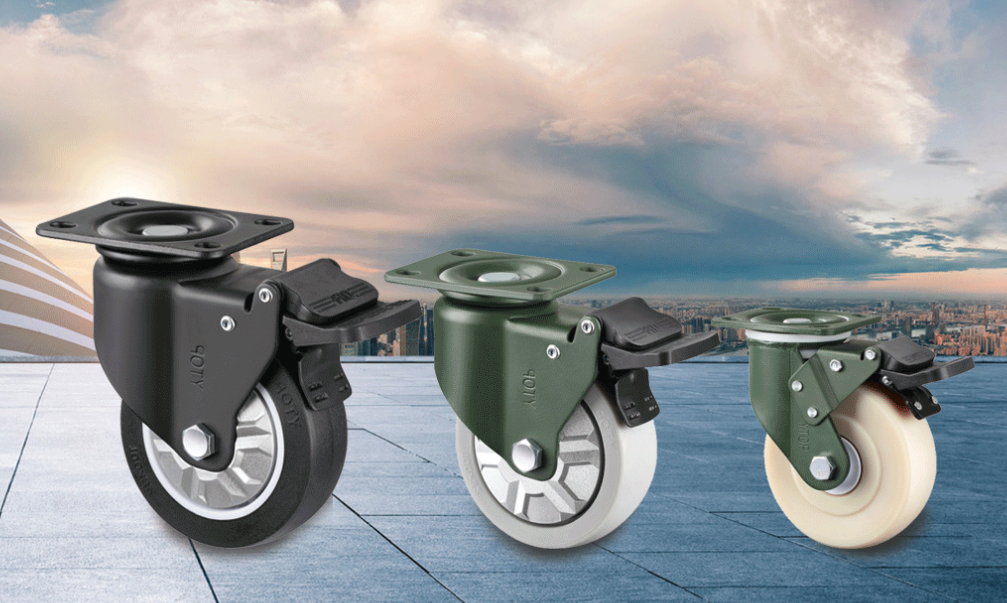
Industrial casters are essential hardware components that underpin modern urban operation and industrial development, widely applied in logistics, medical facilities, supermarkets, and manufacturing scenarios. These functional accessories greatly improve handling efficiency and serve as a key indicator of urban modernization.
Types and Load Capacities of Industrial Casters
Mainly categorized into swivel casters and fixed casters, they respectively deliver flexible 360° rotation and stable directional movement to meet diverse operational demands. With multiple load grades from light-duty to extra heavy-duty, industrial casters adopt premium materials including TPU, PP, and nylon, featuring wear resistance, low rolling resistance, and high cost performance for customized industrial applications.
Installation Methods and Industrial Caster Selection Guide
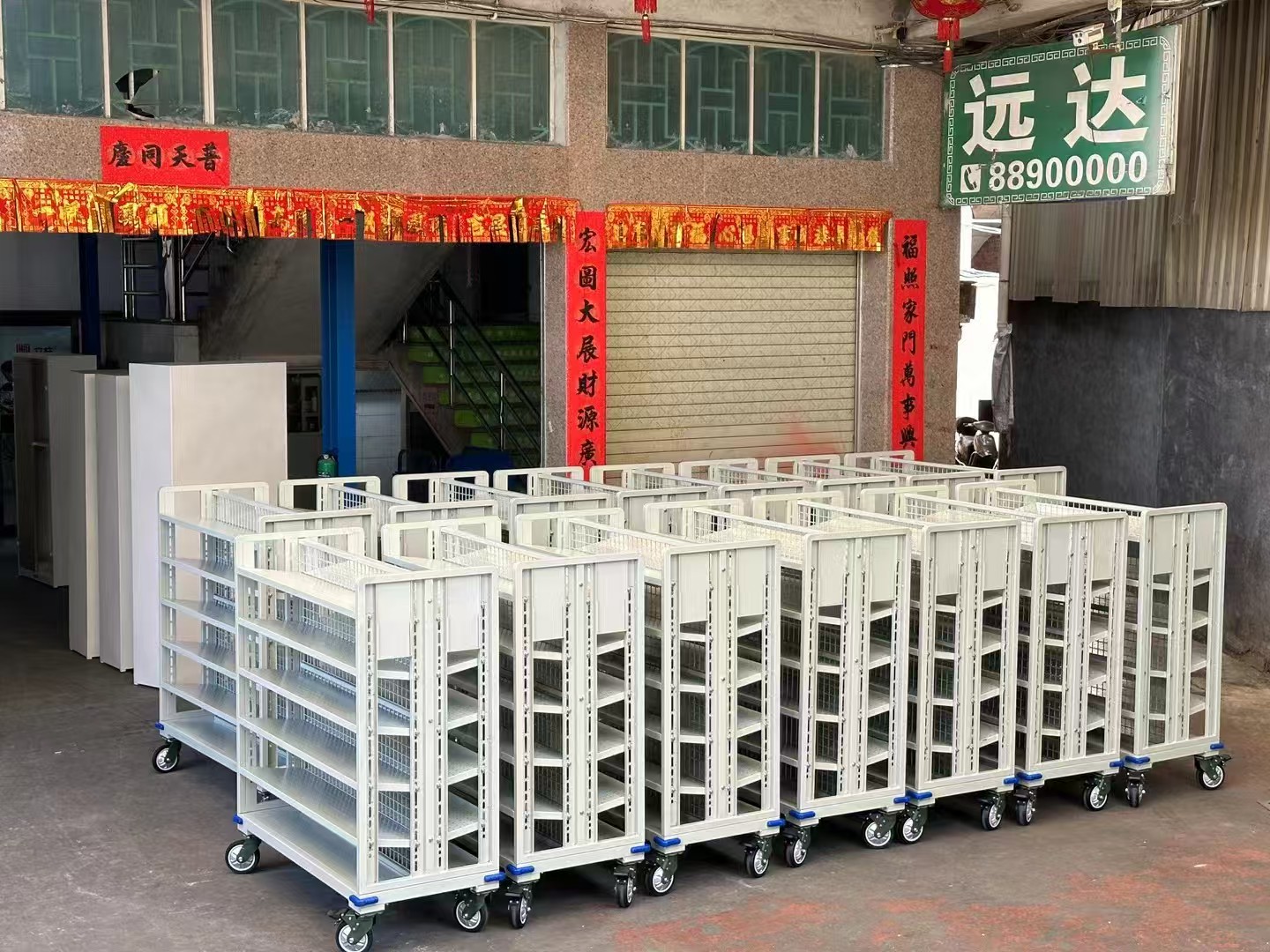
Available with plate, screw, and plug-in mounting styles, these casters fit various equipment and load requirements. Proper caster selection depends on wheel diameter, working environment, and practical needs like silent movement and shock absorption. Standard operation and regular maintenance prevent premature damage, extending the service life of transportation tools. Reliable industrial casters remain an indispensable foundation for efficient urban and industrial logistics.
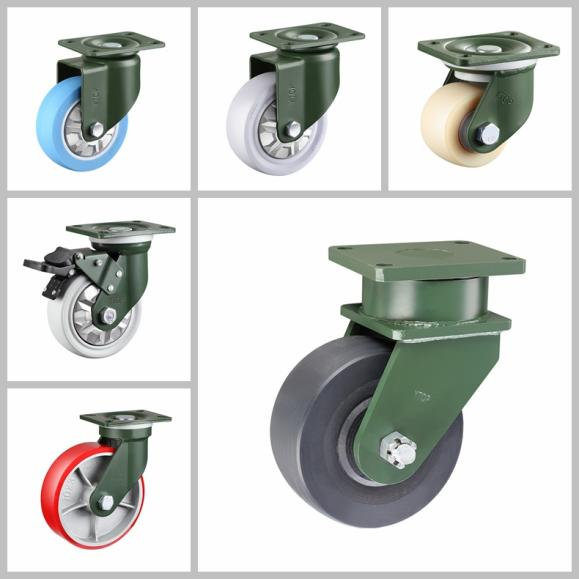
Understanding Caster Load Capacity Ratings for Urban Applications
Heavy casters: load capacity from 300kg to 650kg
Super heavy-duty casters: load capacity from 650kg to 2000kg
Extra heavy-duty casters: load capacity from 2000kg to 6000kg
When choosing, the user needs to make a decision based on the load capacity and the starting thrust of the truck.
Caster Installation Methods and Proper Usage Tips
2. Installation and use of casters
There are three main installation methods of casters: base plate type, screw type and plug-in type. Among them, the bottom plate type casters are suitable for various loads, while the screw type and plug-in casters are mostly used for light and medium loads. The bracket material is generally carbon steel or stainless steel, and can be electroplated or spray-coated as needed.
When using casters, you need to pay attention to the following points: first, avoid overweight to avoid damage to the casters and the truck; second, do not deviate and maintain the balance of the truck; third, regular maintenance, such as regular oiling, checking screws, etc., to ensure the normal operation of the casters.
Key Factors for Choosing the Right Industrial Casters
3. How to choose casters
There are several factors to consider when choosing the right casters. The first is the size. The larger the diameter, the easier it is to push and the greater the load capacity. The second is the site environment where it is used. If there are chemicals, grease and other substances, chemical corrosion-resistant casters must be selected. There are also special requirements, such as silence and shock absorption, which need to be selected according to actual needs.
Conclusion: Casters as the Invisible Foundation of Urban Logistics
In short, as an invisible promoter of urban development, the importance of casters cannot be ignored. When selecting and using casters, users need to fully understand their classification, characteristics, installation methods and precautions to ensure the normal operation of the truck and extend its service life.
Related Reading
Explore more caster industry, urban application, and market trend guides:
- Casters: The Silent Heroes of the Medical Industry — Learn about caster applications in medical industry including urban development infrastructure.
- Casters: The Right Hand of the Courier Industry — Learn about caster applications in courier industry including urban logistics and development.
- The Critical Role of Casters in the Food Processing Industry — Learn about caster applications in food processing including urban industrial development.
- Casters Market Outlook 2024 — Learn about caster market outlook including urban development trends and industry growth.
- China’s Industrial Caster Industry Market Size is Growing Steadily — Learn about industrial caster industry market growth including urban development drivers.
Explore our complete range of urban-development-ready heavy-duty casters (150-610kg) and medium-duty casters (100-190kg) for urban infrastructure, or contact our sales team for expert urban development caster selection guidance.
Post time: Jul-13-2026