
Casters are essential components for all kinds of mobile equipment, enabling everything from industrial carts and medical devices to office furniture and retail displays to move smoothly and safely. Choosing the right casters for mobile equipment directly impacts operational efficiency, worker safety, equipment durability, and user experience. In this comprehensive guide, we explore why casters for mobile equipment matter, the key design considerations, industry-specific requirements, and best practices for caster selection across diverse applications.
The Critical Role of Casters in Mobile Equipment
Mobile equipment—including carts, trolleys, racks, stands, cabinets, and portable machinery—relies entirely on its caster system to function. Without properly selected casters, even the most well-designed mobile equipment becomes cumbersome, unsafe, or impractical. Casters for mobile equipment must balance load capacity, maneuverability, floor protection, noise levels, and durability to match the specific demands of each application.
Every mobile equipment type has unique caster requirements. A hospital medical cart needs quiet, floor-protective casters that roll smoothly over tile and carpet. A factory tool cabinet needs heavy-duty casters that can withstand constant movement and impact. An office chair caster must be gentle on hardwood floors yet durable enough for daily use. Understanding these distinctions is essential for equipment designers, facility managers, and procurement professionals.
Why Caster Selection Matters for Equipment Performance
The casters on mobile equipment affect nearly every aspect of its performance. Poor caster selection leads to frequent maintenance, premature equipment wear, worker fatigue, and even safety incidents. Conversely, well-matched casters enhance mobility, reduce noise, protect floors, extend equipment lifespan, and improve overall user satisfaction. The right caster investment typically pays for itself through reduced maintenance costs and improved operational efficiency.
Key Factors in Choosing Casters for Mobile Equipment
Selecting the right casters for mobile equipment requires evaluating multiple interrelated factors. Load capacity is the starting point—each caster must safely support its share of the total load including equipment weight plus maximum payload. Wheel material determines floor compatibility, noise level, and chemical resistance. Swivel vs. rigid configuration affects maneuverability. Braking needs depend on whether the equipment must remain stationary during use.
Load Capacity Calculation
Proper load rating is critical. For four-caster applications, divide the total equipment load by three (not four) to account for uneven floors and dynamic loading. Add a safety margin of at least 25% for shock loads, uneven surfaces, and future equipment modifications. Under-rated casters are the leading cause of premature caster failure and equipment damage.
Wheel Material Selection
Different wheel materials serve different mobile equipment needs:
- Polyurethane: Excellent floor protection, quiet rolling, good chemical resistance—ideal for medical carts, office equipment, and food service trolleys.
- Nylon/Polyolefin: High load capacity, low rolling resistance, resistant to chemicals—suited for industrial carts and warehouse equipment.
- Rubber: Shock absorption and floor protection at a lower cost—good for general-purpose carts and outdoor applications.
- Steel/Cast Iron: Maximum load capacity for the smallest size—used for extreme heavy-duty equipment like machine moving dollies.
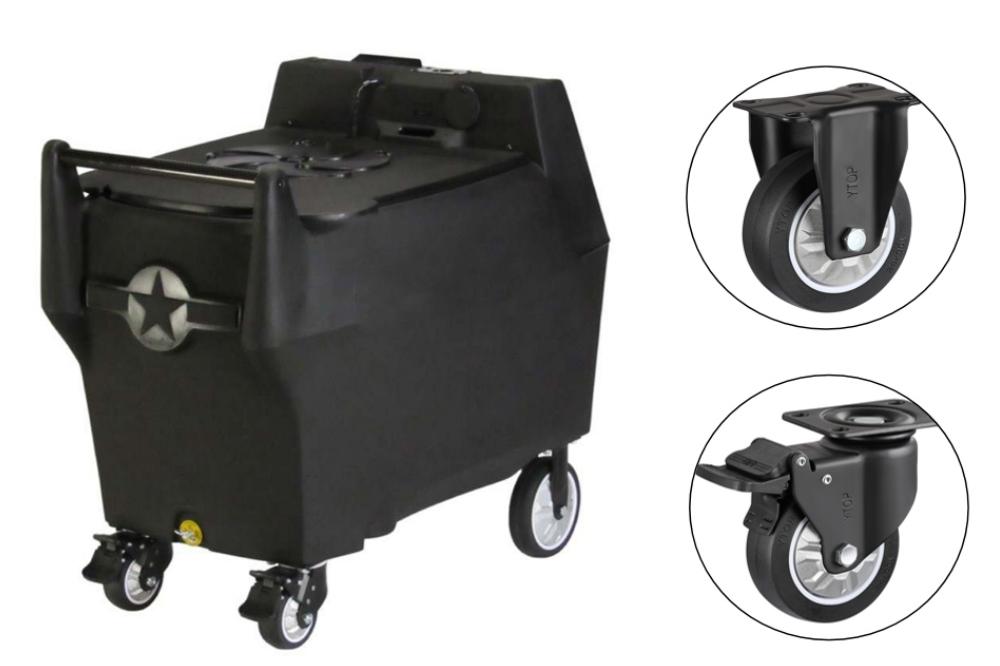
Industry-Specific Mobile Equipment Caster Requirements
Different industries impose distinct caster requirements based on their environments, regulations, and operational demands. Understanding these industry-specific needs ensures optimal caster selection and performance.
Healthcare and Medical Equipment
Medical carts, IV poles, surgical equipment stands, and bedside cabinets require casters that are quiet, non-marking, and easy to clean. Antimicrobial wheel materials are increasingly specified in healthcare settings. Total-lock brakes that lock both swivel and wheel rotation are standard for patient care equipment to prevent unintended movement during procedures.
Industrial and Manufacturing Equipment
Factory tool cabinets, material carts, assembly stations, and AGV (automated guided vehicle) equipment demand heavy-duty casters with high load capacities. Kingpinless swivel constructions handle the repeated impact and side loads common in industrial settings. Forged steel or thick-plated mounting brackets resist deformation under heavy loads. Sealed bearings protect against dust, chips, and coolant exposure.
Retail and Hospitality Equipment
Display racks, rolling merchandisers, housekeeping carts, and banquet service equipment need quiet, aesthetically pleasing casters that protect polished floors. Small-diameter, floor-protective polyurethane wheels in decorative colors complement retail environments. Brake options should be easy to engage and release by foot.
Office and IT Equipment
Computer server racks, projector stands, whiteboard easels, and mobile workstations require casters that roll silently over office flooring. Low-profile casters maintain equipment stability while providing easy mobility. Dual-wheel swivel casters are popular for office furniture due to their excellent tracking and floor protection.
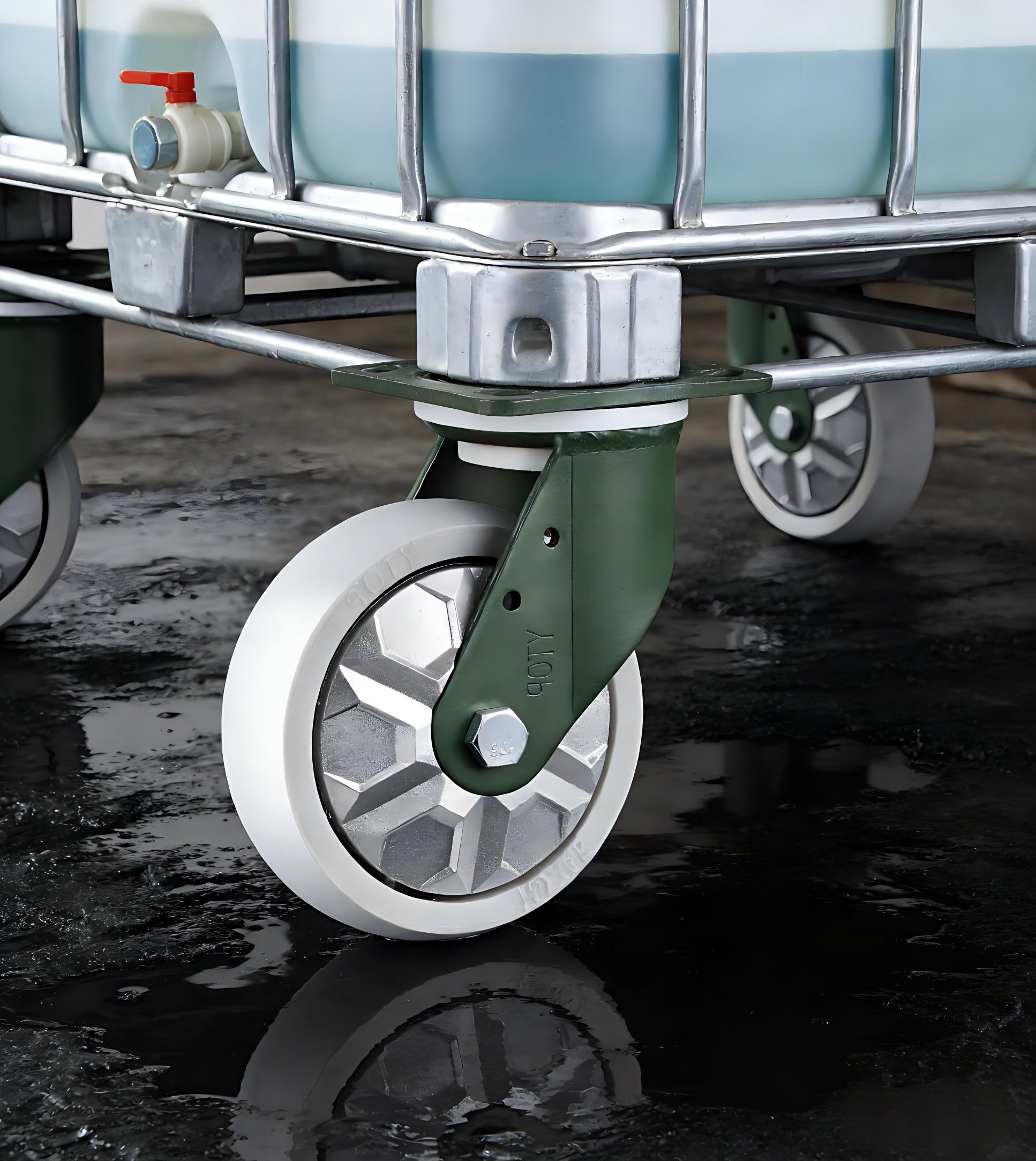
Installation and Maintenance Best Practices
Even the best casters underperform if improperly installed or maintained. Follow manufacturer specifications for mounting bolt torque, and ensure mounting plates or stems are compatible with the equipment frame. Regular maintenance—including cleaning, lubrication, and inspection—significantly extends caster service life.
Proper Installation Guidelines
Always verify that the mounting surface is flat and rigid. Reinforce thin or flexible mounting plates to prevent deformation under load. For stem-mount casters, ensure the stem fits snugly without play. Position swivel casters at one end and rigid casters at the other for directional stability, or use all-swivel casters for maximum maneuverability with appropriate braking.
Maintenance Schedule
Inspect casters monthly in high-use applications. Check wheel rotation, swivel freedom, and mounting hardware tightness. Lubricate swivel races and bearings every 3-6 months with appropriate grease. Replace worn wheels before they cause damage to equipment or floors. A simple preventive maintenance program can double caster service life.
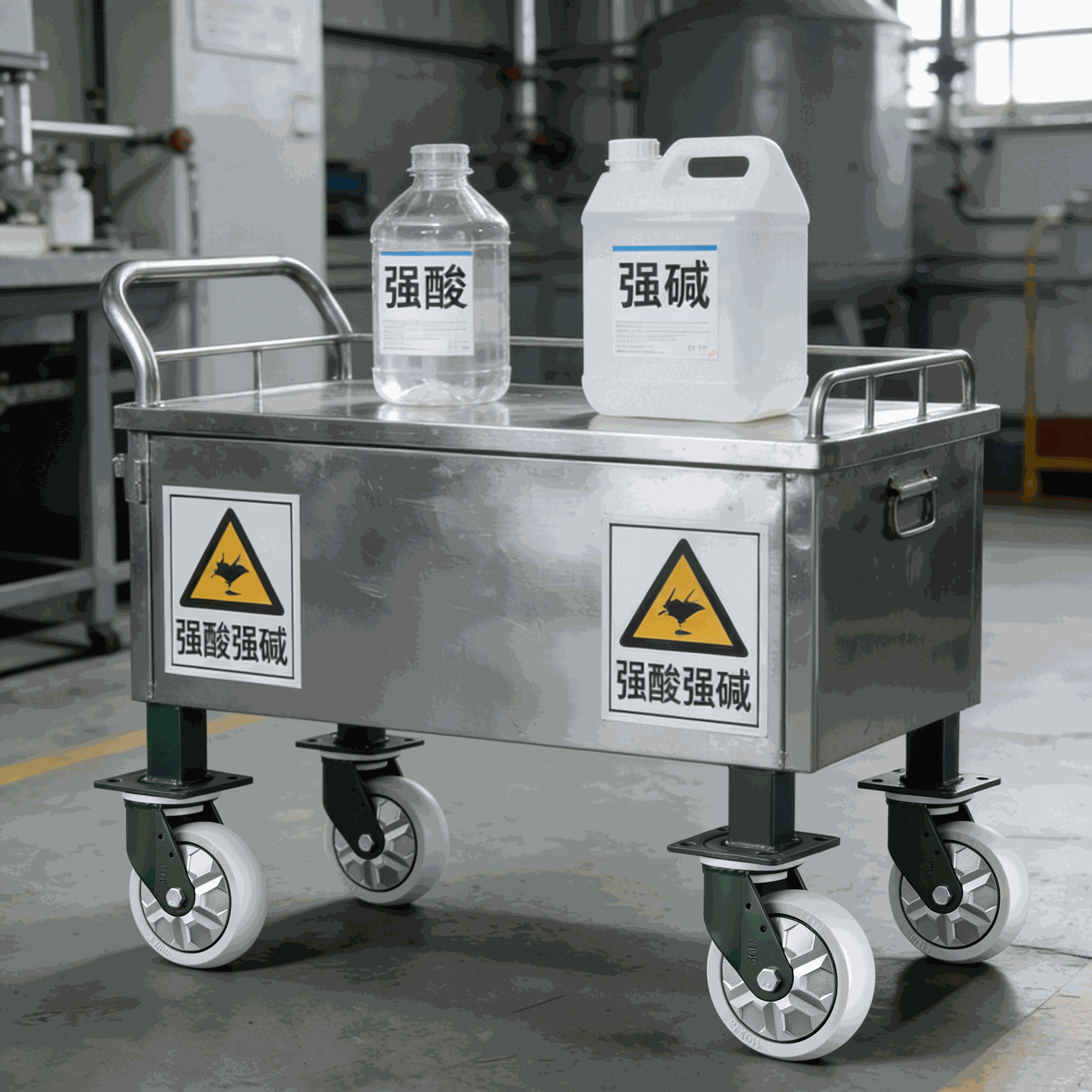
Common Mobile Equipment Caster Problems and Solutions
Even with careful initial selection, mobile equipment casters can develop issues over time. Recognizing common problems and their root causes helps equipment managers address issues quickly and prevent recurrence.
Flat Spots on Wheels
Flat spots occur when a caster sits stationary under load for extended periods, causing the wheel material to develop a flattened area. This produces an uneven rolling motion and noticeable vibration. Solutions include using higher-quality polyurethane or rubber wheels that resist flat spotting, rotating equipment periodically during long storage, or using load-leveling support pads during extended stationary periods.
Cracking or Chipping Wheels
Cracked wheels result from overload, impact with obstacles, extreme temperatures, or chemical exposure. Replace cracked wheels immediately—they can cause sudden failure. Prevent future cracking by ensuring load ratings are adequate, providing floor protection strips at thresholds, and selecting wheel materials rated for the specific chemical and temperature environment.
Stiff or Jerky Swiveling
Difficult swiveling typically indicates worn or dirty swivel bearings, misaligned mounting, or side-loaded swivel joints. Clean and lubricate swivel races regularly. For industrial applications with heavy side loads, upgrade to kingpinless swivel constructions that withstand lateral forces better than standard ball-bearing swivels.
Noisy Rolling
Noisy casters reduce workplace comfort and productivity. Sources include hard wheel materials on hard floors, worn bearings, debris stuck in wheel tread, or improperly tightened mounting hardware. Switching to softer wheel materials (polyurethane over rubber), installing precision bearings, and maintaining clean floor surfaces all contribute to quieter operation.
Economic Benefits of Quality Casters for Mobile Equipment
While premium casters cost more upfront, the total cost of ownership tells a different story. Quality casters reduce maintenance labor, minimize floor repair costs, decrease worker fatigue-related injuries, and extend equipment service life. In many industrial settings, upgrading to better casters delivers ROI within 6-12 months through reduced downtime and maintenance savings.
Lighter rolling resistance also translates directly to energy savings for motorized equipment and reduced worker strain for manually pushed carts. Ergonomic improvements from high-quality casters can reduce workplace injury claims and improve overall operational efficiency across the facility.
Frequently Asked Questions
How do I calculate the right caster size for my mobile equipment?
Start with the total weight of the equipment plus maximum payload. Divide by the number of casters, then apply a safety factor of 1.25-1.5. For four casters, use three as the divisor to account for uneven floor loading. Larger wheels roll easier over obstacles and carry more load, but they increase equipment height. Balance load capacity, rolling ease, and equipment height constraints.
What is the difference between swivel and rigid casters for mobile equipment?
Swivel casters rotate 360 degrees around a vertical axis, enabling the equipment to turn in any direction. Rigid (fixed) casters roll straight only, providing directional stability. For most mobile equipment, use two swivel and two rigid casters in a “wedge” configuration for controlled maneuverability. All-swivel configurations offer maximum turning flexibility but may wander on long straight runs.
Do I need brakes on my mobile equipment casters?
Brakes are essential when equipment must remain stationary during operation, on slopes, or in areas with pedestrian traffic. Options include wheel brakes (lock the wheel rotation), swivel locks (lock the swivel), and total locks (lock both). For medical, laboratory, and food service equipment, total-lock brakes are generally recommended for safety.
How often should mobile equipment casters be replaced?
Caster lifespan varies dramatically based on load, usage frequency, floor conditions, and maintenance. With proper selection and maintenance, expect 3-5 years of service in moderate-use applications, and 1-3 years in high-use industrial settings. Replace casters when wheels show flat spots, cracks, or excessive wear, when swivel becomes stiff, or when mounting hardware shows corrosion or deformation.
Can I upgrade existing equipment with better casters?
Yes, upgrading casters is one of the most cost-effective improvements you can make to mobile equipment. Measure your current mounting pattern (plate size, bolt hole spacing, or stem diameter/height) and select replacement casters with compatible mounting. Upgrading from cheap hard plastic wheels to polyurethane or precision-bearing casters can dramatically improve rolling ease, reduce noise, and extend equipment life.
Related Reading
Explore more guides on caster selection and mobile equipment optimization:
- Polyurethane Casters for Logistics — Learn about PU caster benefits for material handling equipment.
- Extra Heavy Duty Caster Applications — Discover heavy-duty caster uses across industries.
- Caster Installation Height Guide — Technical details on caster mounting heights and precautions.
- Industrial Cart Applications — Carts from shopping to industrial use cases.
- Caster Diameter Impact — How wheel diameter affects caster performance.
Browse our medium-duty casters (100-190kg) and heavy-duty casters (150-610kg) for mobile equipment, or contact our team for expert caster selection guidance.
Post time: Jul-04-2025