
You want to buy quieter wheels, but are afraid they can’t handle heavy loads; you buy heavy-load wheels, but dislike the loud wheel noise. Quiet and heavy load seem opposed on the surface: soft treads are quiet but too soft, hard treads bear load but are noisy. Can you have both? Yes, but you need to select material and structure in combination — not simply take the middle value.
First Look at the Essence of the Contradiction
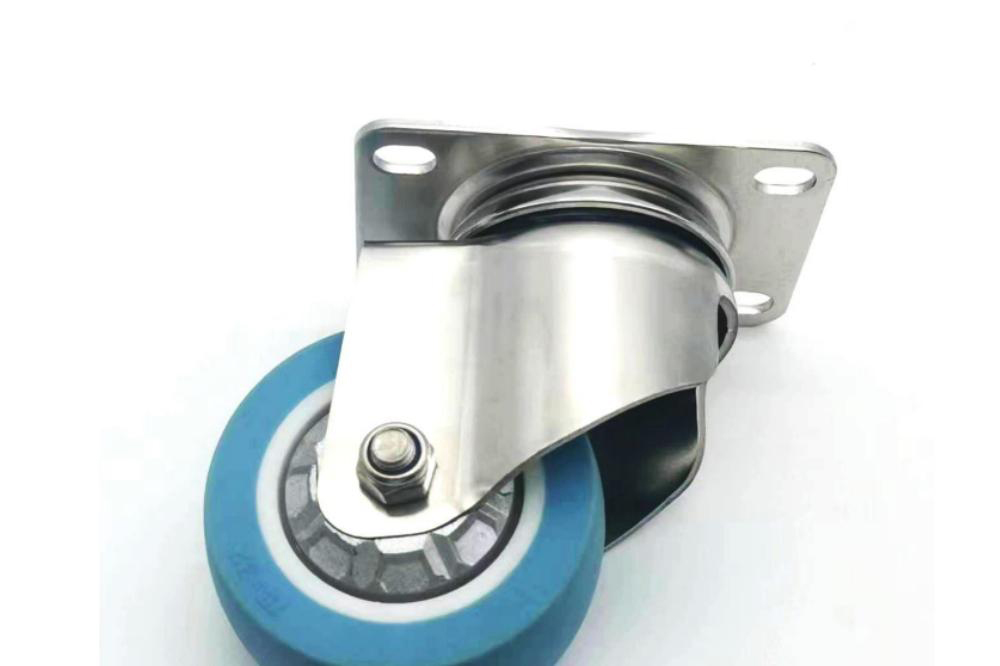
Quietness relies on tread deformation cushioning, absorbing part of the floor impact and turning it into heat rather than sound — the tread is relatively soft. Heavy load relies on tread strength to bear load, requiring hardness and wear resistance. The same tread needing to be both soft and hard is inherently conflicting. Therefore, “both quiet and load-bearing” is not achieved by slogans — it is the result of material formulation and structural design working together.
Polyurethane Is a Common Solution
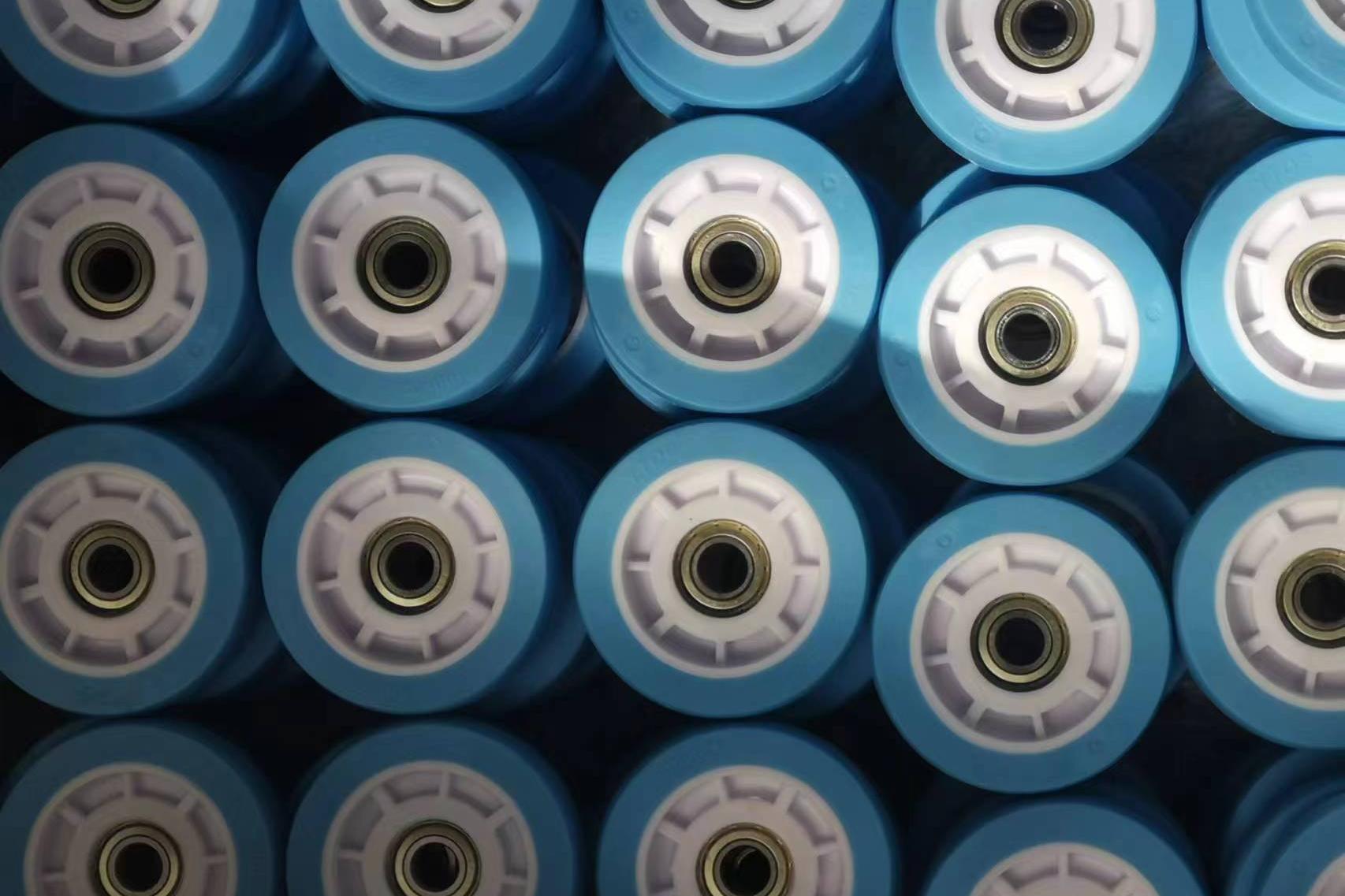
The characteristic of polyurethane treads is that the formulation is adjustable: by adjusting hardness and formulation, you can create “hardness with elasticity” — hardness can bear load, and elasticity can cushion and reduce noise. Compared to nylon’s “pure hardness” and ordinary rubber’s “pure softness,” polyurethane can attend to both to some extent — this is also why polyurethane is used more and more in industrial scenarios.
Structural Cooperation Can Amplify Balance Margin

The tread is the core of balance, and structural cooperation can free up additional space. With sufficient bracket strength and stable hub structure, load pressure is dispersed, and the tread does not need to rely on “being harder” to bear it; with rotating parts properly lubricated and bearings sealed, mechanical noise is reduced, and sound control does not need to rely entirely on the tread. With the structure sharing part of the burden, the tread has margin to simultaneously balance elasticity and strength.
Key Points for Heavy-Load Quiet Selection
Select according to these points:
Tread material: prioritize high-strength polyurethane, with adjustable hardness and elasticity.
Tread hardness: select a moderately hard range, preserving both wear resistance and quietness to some extent.
Bracket structure: select high-strength brackets to share load, so the tread does not need to bear it alone.
Smooth rotation: sealed bearings plus appropriate grease to reduce mechanical noise.
Brake configuration: braking must be reliable in heavy-load scenarios — don’t focus only on quietness and ignore safety.
Wheel diameter size also affects the balance point between quietness and heavy load. Under the same load, a slightly larger wheel diameter means less impact when crossing joints and obstacles, with relatively lower noise and vibration, but total mounting height and turning space will change accordingly — weigh them together during selection, don’t just look at the tread.
Balance Has Boundaries
Boundaries should also be made clear: no matter how good the polyurethane, its quiet performance will not exceed pure soft rubber, and its heavy-load performance will not exceed pure hard nylon. The meaning of balance is “both are sufficient,” not “both reach the limit.” Extreme heavy loads (thousand-kilogram-level continuous operation) still prioritize hard treads; extreme quietness (hospital beds, late-night hospitals, etc.) still prioritize soft treads.
During selection, first clarify priorities: if you need both, look toward high-strength polyurethane, and consider brackets, bearings, and lubrication together; for extreme needs, select according to the extreme — don’t expect one wheel to cover everything. If unsure about specific parameters, report equipment weight, floor, noise requirements, and shift usage intensity to the manufacturer, so the manufacturer can verify both material and structure together.
Related Reading
- PU vs TPU Caster Wheels: Material Comparison
- Heavy Duty Industrial Casters
- Silent Casters: Noise Reduction Guide
Post time: Sep-19-2026