
Electroplating workshops are one of the harshest survival environments for wheels in a factory. Acid-alkali liquid splashing, electroplating solution residue, and year-round high humidity — the air itself is corrosive. In this environment, ordinary wheels suffer bracket rusting and bearing seizure, with replacement frequency far higher than in other workshops.
The Corrosion Environment of Electroplating Workshops
Corrosion sources in electroplating workshops are multifaceted and difficult to avoid:
During pre-treatment, electroplating, and post-treatment processes, pickling solutions, alkali solutions, and electroplating solutions may all splash, and landing on brackets and treads means direct corrosion. Different processes have different acid-alkali solution concentrations and types, and the corrosion intensity on wheels also varies.
Workshops are humid year-round, and water vapor wrapped with chemical gases adheres to metal surfaces, accelerating rusting. This gas-phase corrosion is more insidious than liquid-phase splashing — no obvious liquid is visible on the surface, but metal parts are already continuously rusting.
Floors often have residual acid-alkali liquid accumulation, and when wheels roll over, both tread and bracket are simultaneously immersed. The concentration of residual liquid on the floor may be higher than splashing liquid, because acid-alkali concentration rises after water evaporation.
With these corrosion factors combined, the corrosion protection requirements for wheels far exceed ordinary industrial scenarios.
Priority of Bracket Corrosion Protection
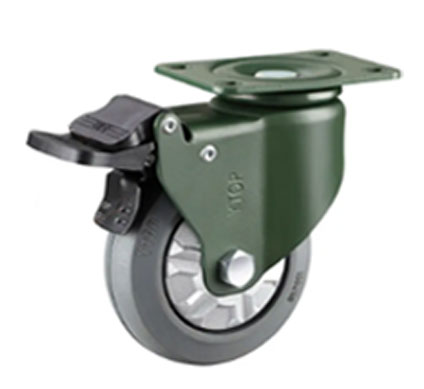
In electroplating workshops, bracket corrosion protection is the primary consideration in selection, ranking ahead of load capacity and pushing performance.
The plastic layer of a powder coating process is dense and complete, separating acid-alkali liquid and water vapor from the metal substrate. The plastic layer has strong adhesion and is not prone to blistering and peeling in acid-alkali environments. The corrosion protection performance of powder-coated parts in corrosive environments is generally clearly superior to ordinary galvanized or spray-painted parts.
During selection, pay attention to distinguishing powder coating from spray painting. Spray-painted parts’ coatings easily peel off in acid-alkali environments, and corrosion spreads rapidly from damaged areas. Powder-coated parts have better plastic layer integrity and adhesion, with longer corrosion protection lifespan. This difference may not be significant in ordinary workshops, but it is rapidly amplified in electroplating workshops.
In terms of bracket material, select material with sufficient strength, paired with powder coating surface treatment. Even if the plastic layer is locally damaged, the substrate’s own corrosion resistance is somewhat better than ordinary steel, delaying the spread of corrosion.
Acid-Alkali Resistance Requirements for Tread Material
After bracket corrosion protection is properly handled, the tread must also match.
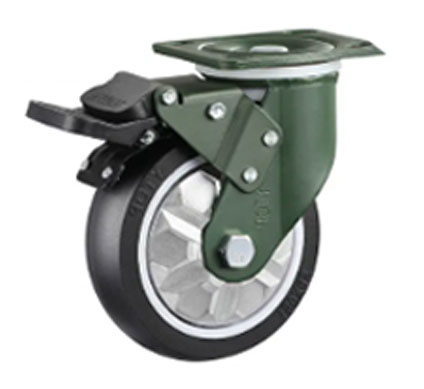
Polyurethane-type treads have good tolerance to acid-alkali liquids, not easily swelling or becoming sticky. Ordinary rubber treads age and harden under immersion in acid-alkali liquids, with pushing performance rapidly declining.
Tread material selection must correspond to the actual liquids in the workshop. Different electroplating processes use different types and concentrations of acid-alkali liquids, and tread tolerance requirements also differ. Tell the manufacturer the types of acid-alkali liquids used in the workshop, and confirm whether the tread material’s tolerance matches.
Bearing Sealing and Lubrication
In acid-alkali environments, bearings are the most vulnerable part of the wheel.
Once acid-alkali liquid seeps into the bearing, grease is destroyed, and the bearing rusts and seizes — this process is basically irreversible. In other workshops, if dust enters a bearing there is still room for cleaning, but in electroplating workshops, if acid-alkali liquid enters a bearing, cleaning cannot restore it — the metal surface has already been corroded, and bearing precision is lost.
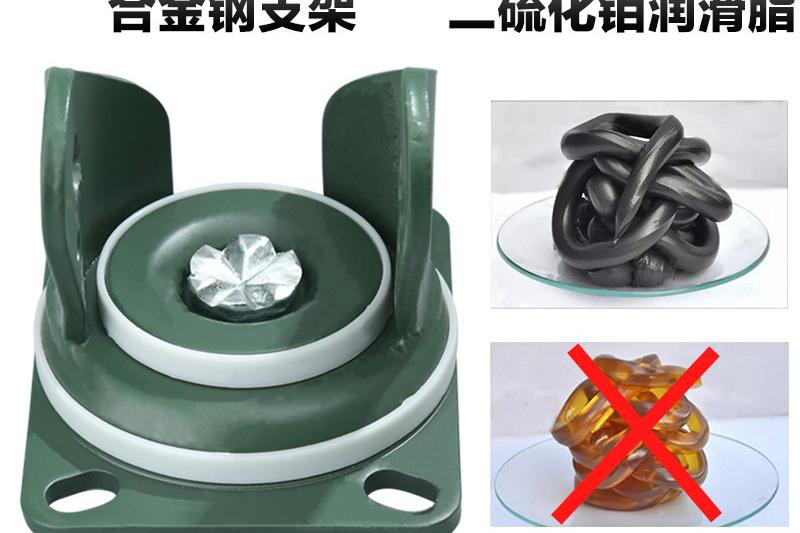
Sealed bearing structure keeps liquid outside, paired with chemically resistant molybdenum disulfide lithium-based grease, so rotating parts remain smooth in humid corrosive environments. Bearing sealing and grease chemical resistance are a paired relationship in electroplating workshops — sealing blocks most liquid, and grease copes with trace chemical substances that may seep in.
Information to Confirm During Selection
For electroplating workshop wheel selection, provide the following information to the manufacturer:
• Types and approximate concentrations of acid-alkali liquids used in the workshop
• Floor liquid accumulation situation
• Pushing load
• Whether there is a need for regular wheel washing
Zhuoye manganese steel casters’ configuration for corrosion-resistant conditions needs to be selected after confirming the specific acid-alkali environment of the workshop. For wheels in electroplating workshops, proper corrosion protection is called configuration; poor corrosion protection makes them consumables — the labor cost and downtime loss from frequent wheel replacement are often far higher than the price difference of the wheels themselves.
Related Reading
Looking for more in-depth caster guides and industrial mobility resources? Explore these related articles:
- Caster Bracket Surface Treatment: Powder Coating, Electroplating and Galvanizing Difference — Compare coating processes to understand which delivers the best corrosion protection.
- Why Do Casters Rust? What Should I Do If It Rusts? — Identify rust causes and learn practical maintenance steps to extend caster life.
Explore our heavy-duty casters with corrosion-resistant configurations, or contact our engineering team for tailored plating-shop caster recommendations.
Post time: Nov-03-2026