
The corrosion protection performance of casters has always been a relatively difficult item to judge in procurement. Hidden dangers before rusting cannot be seen with the naked eye, and everyone can write the three words “corrosion-resistant” in promotions. A relatively objective approach in the industry is salt spray testing: putting samples into a salt spray environment for a period of time according to unified standards, and letting data speak. This article explains the principle, process, and report reading method of salt spray testing.
What Environment Does Salt Spray Testing Simulate
Salt spray testing simulates the corrosion of metal by humid and salt-containing environments. The method is not complicated: put samples into a salt spray test chamber, continuously expose them under set temperature and salt spray concentration, and observe how long it takes for samples to start rusting and to what degree.
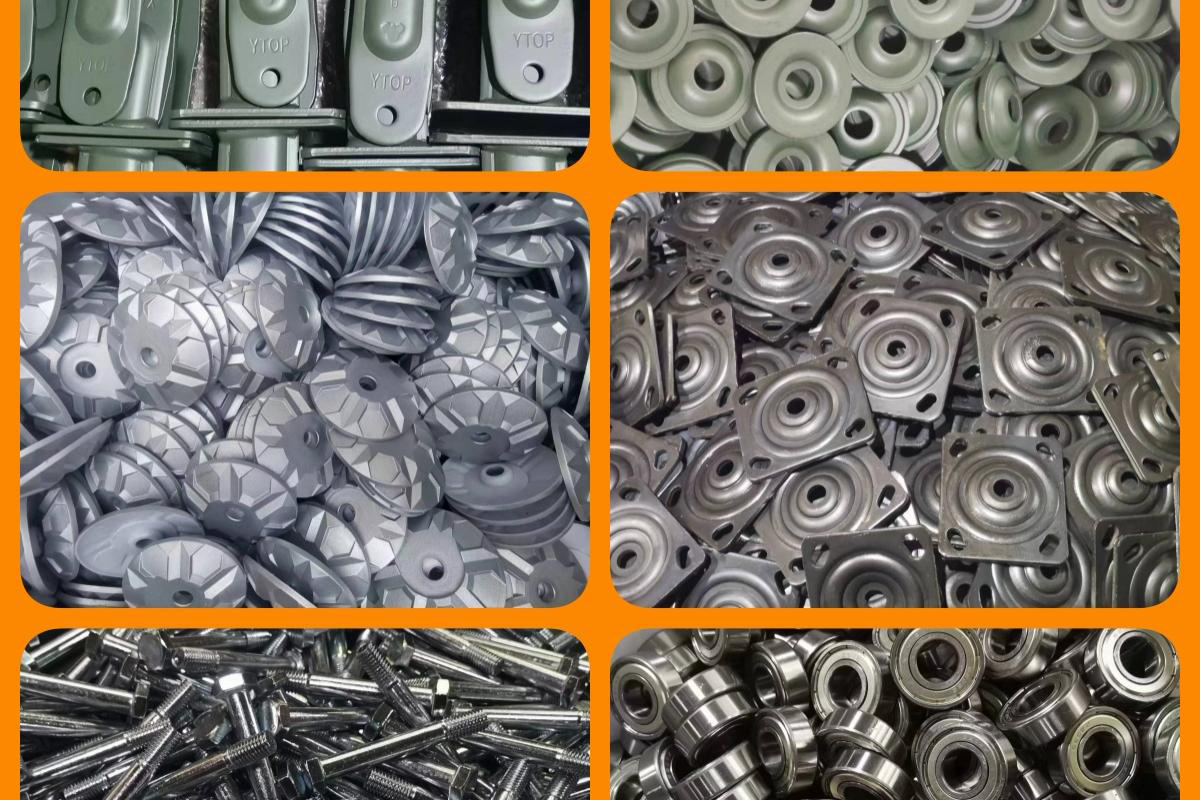
Domestic industry usually executes according to artificial atmosphere corrosion test standards such as GB/T 10125, with test concentration, temperature, pH value, and duration all stipulated in the standard. Tests done according to standards are comparable between different manufacturers; self-defined “salt spray testing,” no matter how long, proves nothing.
How a Routine Salt Spray Test Generally Goes
The routine practice in the industry generally follows this process:
- Sampling. Draw samples from mass production batches, rather than making a single sample separately for testing. Batch samples can represent the actual level of the production line — no matter how good a separately made sample tests, it has nothing to do with mass-produced products.
- Pre-treatment. Sample surfaces are treated according to actual shipment status, no waxing, no protective coating, simulating real usage status.
- Chamber entry. Set salt spray concentration, temperature, and duration according to standards, place samples at specified angles to ensure uniform salt spray settlement.
- Periodic observation. During the test, take out samples at nodes, record rust area and morphology, and take photos for filing.
- Rating. After the test ends, rate corrosion grade against standards and form conclusions.
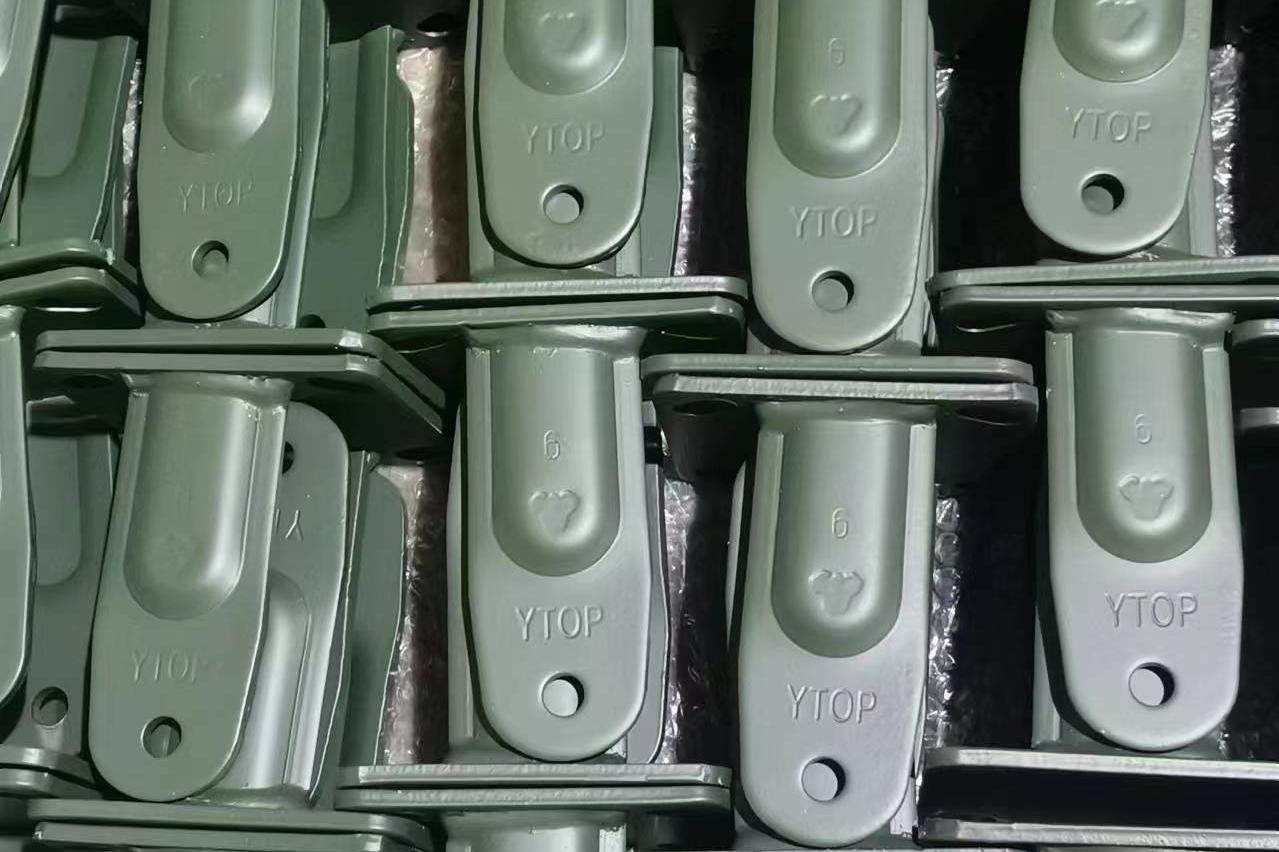
After this process is completed, the report comes out. The four things most worth looking at in the report are: test standard, test conditions, test duration, and corrosion rating.
Reading Reports: First Look at Conditions, Then Duration
There is an order that is easily reversed when reading salt spray reports: you should first look at test conditions, then duration.
For the same 72 hours, different salt spray concentration, temperature, and pH value mean results are not comparable. Reports that only write “passed 72-hour salt spray test” without writing conditions can basically be regarded as promotional language.
There is another easily misread point: salt spray testing is an accelerated test, and the result is “corrosion resistance under this set of simulated environments,” which cannot be directly converted into actual service life. One hour in the laboratory does not equal one hour on site. But under the same standard and same conditions, the gaps measured from different samples can genuinely compare the level of corrosion protection.
Corrosion Protection Is Work of the Entire System, Salt Spray Is Only Final Inspection
Salt spray testing is final inspection, and corrosion protection capability is the result of material, coating, and structure working together. If bracket structure is unstable and deforms under long-term stress, no matter how complete the coating is, it will crack from weak points; if the coating is incomplete, salt spray and moisture have paths to seep in. So when looking at a manufacturer, don’t just look at whether they do salt spray testing — also look at how samples are taken, how coatings are controlled, and how structures are designed.
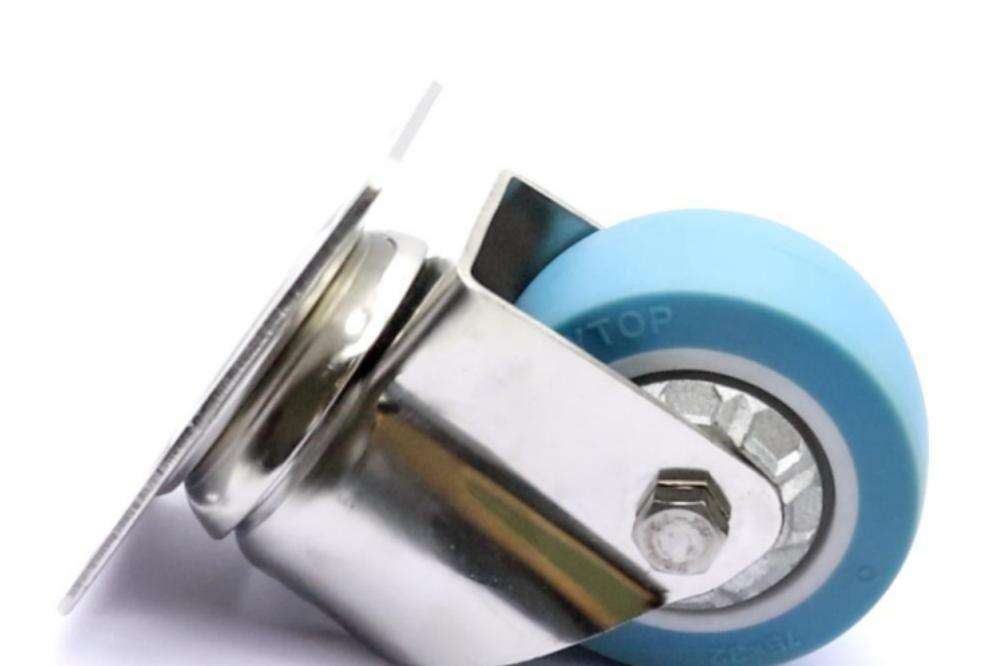
Quality management systems such as ISO9001 have constraints on the testing process: how sampling is stipulated, how records are kept, whether results can be traced — all within the audit scope. Reports with compliant sample sources and complete records are far more credible than a lone inspection sheet.
How to Ask When Procuring Salt Spray Reports
For wheels needing corrosion protection, during procurement you can directly ask the manufacturer for salt spray inspection reports of mass production batch samples, and verify standards, conditions, and batch information. Those who cannot produce reports or have vague conditions can basically be judged on this manufacturer’s control level of the corrosion protection process.
If the usage environment itself has humid, high-salt, or coastal climate factors, tell the manufacturer the environmental situation together, and have the manufacturer give corrosion protection suggestions combined with working conditions — usually more effective than just mentioning “need corrosion resistance.” Zhuoye manganese steel casters also require this type of environmental information during selection, with salt spray reports filed by mass production batch, and combined with usage working conditions to judge wheel adaptability.
Related Reading
Looking for more in-depth caster guides on corrosion protection and quality control? Explore these related articles:
- What Is 8-Level Powder Coating? Corrosion Protection Guide — understand how the coating system keeps rust and moisture out before final testing.
- Why Do Casters Rust? What Should I Do If It Rusts? — the root causes of caster rust and practical ways to handle it.
- What Are the Common Caster Specifications? — a clear overview of the dimensions and ratings used across caster ranges.
Explore our complete range of heavy-duty casters (150-610kg) and super heavy-duty casters (700-1600kg) for humid, coastal and corrosion-prone applications, or contact our engineering team for batch salt spray reports and selection guidance.
Post time: Oct-30-2026