
Casters, an indispensable part of modern life, directly affect the performance of various equipment and tools through their stability and durability. Caster brackets, as key components supporting and connecting casters to equipment, are particularly crucial in their material selection. So, what materials are used in caster brackets? What are the characteristics of these materials? Let’s uncover the technological secrets behind the materials used in caster brackets.

Firstly, one of the most common materials for caster brackets is metal. Metal brackets, with their high strength, high toughness, and good load-bearing capacity, have become the preferred choice for casters used in many heavy-duty equipment and industrial applications. Common metal materials include steel and aluminum alloys. Steel brackets are structurally robust and can withstand significant pressure and impact; while aluminum alloy brackets are relatively lightweight and have good corrosion resistance, making them suitable for outdoor environments or damp locations.
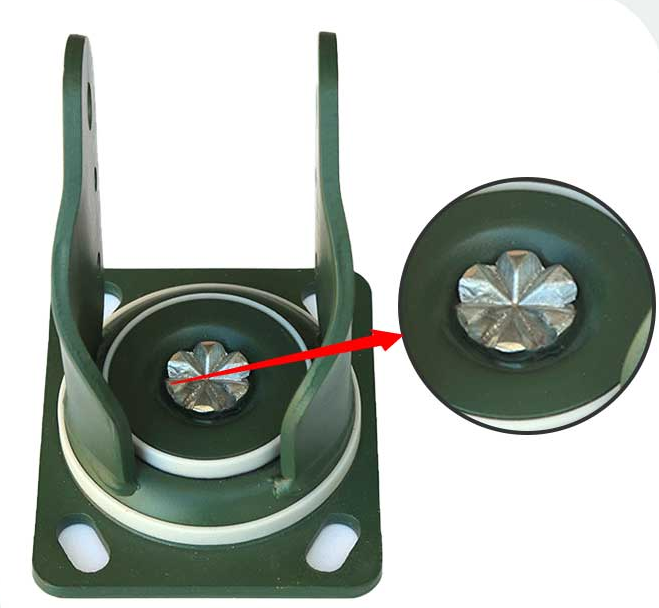
Besides metal, plastic is also a common material for caster brackets. Plastic brackets are lightweight, corrosion-resistant, and easy to process, making them widely used in light-load applications such as furniture, medical equipment, and supermarket shopping carts. Plastic brackets can be manufactured into complex shapes through processes like injection molding, and they come in a variety of colors, allowing for customization to meet different needs.
Furthermore, with technological advancements, new materials are increasingly being applied to caster bracket manufacturing. For example, carbon fiber composite materials, with their lightweight, high strength, corrosion resistance, and fatigue resistance, are used in some high-end equipment and special environments. Carbon fiber brackets not only reduce the overall weight of the equipment but also improve the load-bearing capacity and service life of the casters.
When choosing the material for caster brackets, multiple factors need to be considered, including the usage scenario, load-bearing requirements, and environmental factors. Metal brackets are suitable for heavy-duty equipment and high-intensity working environments, while plastic brackets are more suitable for light-duty equipment and indoor environments. Furthermore, the application of new materials has provided more possibilities for the design and manufacture of caster brackets.
Of course, besides the choice of materials, the structural design of the caster bracket is also a key factor affecting its performance. A reasonable structural design can improve the stability and load-bearing capacity of the bracket, while reducing manufacturing costs and usage risks. Therefore, in the design and manufacturing process of caster brackets, multiple factors such as materials, structure, and processes need to be comprehensively considered to achieve optimal performance and economic benefits.
In conclusion, the choice of material for caster brackets has a significant impact on the performance and usability of casters. The use of various materials, including metals, plastics, and new materials, provides more options for the design and manufacture of caster brackets. In the future, with continuous technological advancements and increasing performance demands, it is believed that the materials and performance of caster brackets will be further improved and optimized.
Post time: Mar-02-2026